Explore Trusted Love Spells in Knysna

Knysna is a beautiful coastal town in the Western Cape known for its natural surroundings, tourism, and diverse community. People interested in spirituality and relationships may explore different forms of spiritual guidance, including love rituals, traditional healing, prayer, and practices commonly described as love spells.

The meaning of a “love spell” can vary significantly between practitioners and traditions. Some people regard these practices as spiritual ceremonies, while others use them as symbolic ways to reflect on their romantic goals and emotional experiences.

When exploring love-spell services, it is important to choose approaches that respect personal freedom, consent, and healthy relationships.

What Are Love Spells?

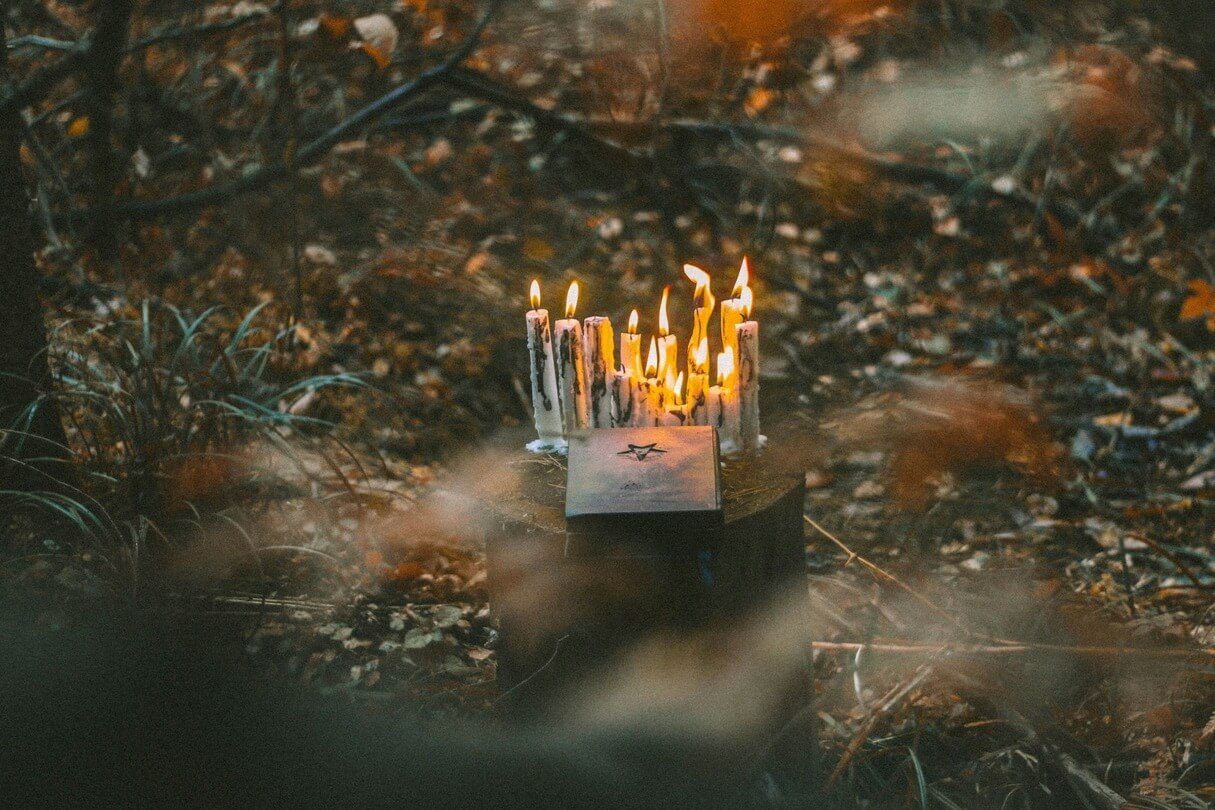
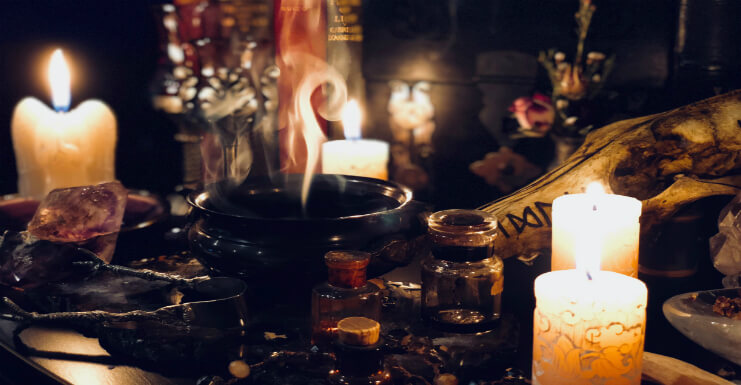
Love spells are generally described as rituals intended to focus attention on romantic intentions. Depending on the tradition, they may involve prayer, meditation, candles, written intentions, symbolic objects, or other ceremonial practices.

People may search for love spells because they want to:

  • Attract a compatible partner
  • Improve confidence
  • Heal after heartbreak
  • Strengthen an existing relationship
  • Reflect on their romantic goals
  • Become more open to meaningful connections

These practices should not be presented as guaranteed methods for controlling another person’s emotions.

What Makes a Love Spell Service Trustworthy?

The word “trusted” should not be taken to mean that a practitioner can guarantee supernatural results. Instead, people can look for basic signs of responsible service.

A practitioner should explain their services clearly, disclose costs, respect boundaries, and avoid making unrealistic promises.

Be cautious of anyone who claims they can guarantee that a particular person will fall in love with you, return within a fixed number of hours, or remain under your control.

Traditional Spiritual Healing in Knysna

Traditional spiritual healing in South Africa includes many different cultural traditions and Indigenous Knowledge Systems.

Different practitioners may have different areas of knowledge. Some may focus on spiritual consultation and divination, while others are associated with traditional medicines and plant knowledge.

Anyone interested in a traditional healer should ask about the practitioner’s cultural background, the nature of the consultation, and any practices or substances involved.

Love, Consent and Free Choice

Healthy romantic relationships depend on mutual choice. A spiritual ritual should never be used as a reason to ignore someone’s wishes or boundaries.

If you are hoping to reconnect with a former partner, it is important to consider whether that person also wants contact.

A respectful approach focuses on improving communication and understanding rather than attempting to force a particular outcome.

Love Spells and Self-Reflection

For some people, a love ritual can serve as a symbolic moment of self-reflection.

You might consider what you want from a relationship, what qualities matter to you, and what patterns from previous relationships you would like to change.

This can encourage greater awareness of:

  • Personal boundaries
  • Communication habits
  • Emotional needs
  • Relationship expectations
  • Self-confidence
  • Long-term compatibility

Finding Relationship Guidance

Spiritual guidance is only one possible source of relationship support. Depending on the circumstances, people may also benefit from conversations with trusted friends, relationship counsellors, or qualified professionals.

When a relationship involves serious conflict, abuse, threats, or safety concerns, practical support should take priority over spiritual rituals.

Avoiding Love-Spell Scams

Online searches for love spells can produce many different claims. Some services may use fear or urgency to encourage people to pay for additional rituals.

Warning signs include:

  • Guaranteed results
  • Pressure to pay immediately
  • Unexpected additional charges
  • Claims about curses unless more money is paid
  • Requests for increasingly expensive ceremonies
  • Promises to control another person’s thoughts or behaviour

Taking time to research a service before making a decision can help reduce the risk of financial or emotional exploitation.

Spiritual Practices and Personal Growth

Spiritual practices can have personal or cultural significance without needing to be treated as guaranteed supernatural solutions.

A person might use prayer, meditation, journaling, or a symbolic ritual to focus on positive relationship intentions.

The practical foundation remains important: communicate honestly, respect boundaries, develop emotional awareness, and allow relationships to develop naturally.

Exploring Love Spells Responsibly

Anyone searching for trusted love spells in Knysna can begin by learning about the tradition behind a particular practice.

Questions to consider include:

  1. What tradition does the practitioner follow?
  2. What is the purpose of the ritual?
  3. What does the service cost?
  4. Are results guaranteed?
  5. Does the practitioner respect consent?
  6. Are any herbs, medicines, or physical procedures involved?

Clear answers can help someone make an informed decision.

Exploring trusted love spells in Knysna can involve learning about spiritual traditions, relationship rituals, and personal reflection.

A responsible approach avoids guarantees and respects the independence of everyone involved. Whether someone is looking for new love, recovering from heartbreak, or hoping to improve an existing relationship, healthy communication and mutual respect remain essential.

Spiritual practices can be meaningful to individuals and communities, but lasting relationships are built through genuine connection, trust, consent, and shared effort.

Bring Back Lost Lover Spells in Oudtshoorn

Losing someone you love can be an emotional experience. After a breakup or separation, many people look for ways to understand what happened and consider whether reconciliation is possible. In places such as Oudtshoorn, people interested in spirituality may explore traditional healing, prayer, relationship rituals, or practices described online as “bring back lost lover spells.”

These practices can have different meanings depending on the spiritual or cultural tradition involved. A responsible approach is to use spiritual rituals as a form of personal reflection rather than as a guaranteed way to control another person’s emotions.

A relationship can only be genuinely rebuilt when both people freely choose to reconnect.

What Are Bring Back Lost Lover Spells?

The phrase “bring back lost lover spell” is commonly used online to describe rituals intended to focus on reconciliation or renewed romantic connection.

Different practitioners may describe these rituals in different ways. They may involve symbolic objects, prayer, candles, written intentions, meditation, or culturally specific ceremonies.

Rather than promising that a former partner will return, these practices can be approached as symbolic ways to:

  • Process heartbreak
  • Clarify relationship goals
  • Develop emotional confidence
  • Reflect on past mistakes
  • Prepare for healthy communication
  • Remain open to new possibilities

Can a Spell Bring an Ex Back?

There is no reliable scientific evidence that a spell can force a former partner to return or develop romantic feelings.

If reconciliation is possible, it normally requires communication, mutual willingness, accountability, and a genuine desire from both people to rebuild the relationship.

A spiritual ritual may be personally meaningful, but it should not replace these real-world elements.

Spiritual Healing After a Breakup

Heartbreak can leave people feeling confused, disappointed, or uncertain about the future. Spiritual practices may provide a structured opportunity to reflect on those feelings.

Someone in Oudtshoorn might use a personal ritual to consider:

  • What they learned from the relationship
  • What contributed to the separation
  • What they would do differently
  • What they need from a future partner
  • Whether reconciliation would actually be healthy
  • How they can move forward if reconciliation is not possible

This kind of reflection can help shift attention from controlling another person toward understanding one’s own needs.

Traditional Spiritual Healing and Relationships

South Africa has a diverse range of traditional healing and spiritual traditions. Different practitioners may work with different cultural beliefs, ceremonies, forms of consultation, and Indigenous Knowledge Systems.

Some people seek traditional spiritual guidance when dealing with family matters, personal challenges, or relationships.

Anyone considering a consultation should ask about the practitioner’s cultural tradition, the nature of the service, the cost, and what will be expected during the consultation.

Healthy Reconciliation

If you hope to reconnect with a former partner, practical communication is important.

Before contacting an ex, consider whether:

  1. The relationship was respectful and safe.
  2. Both people have had enough time to process the breakup.
  3. You understand why the relationship ended.
  4. You are prepared to respect their answer.
  5. You can communicate without pressure or manipulation.

A simple and respectful conversation can provide more useful information than relying on promises of guaranteed spiritual results.

Avoiding False Promises

People searching for lost-lover services should be careful with practitioners who promise guaranteed results.

Warning signs include claims that an ex will return within a precise number of hours, demands for repeated payments, threats about curses or spiritual punishment, or pressure to purchase increasingly expensive services.

A trustworthy service should clearly explain what it offers without creating unnecessary fear or dependence.

Love Rituals as Symbolic Practices

A personal love ritual can also be designed around self-reflection rather than another person’s choices.

For example, someone might write down the qualities they want in a healthy relationship, spend time in quiet reflection, or use prayer according to their personal beliefs.

The purpose can be to identify personal goals and develop a healthier approach to future relationships.

When Moving On Is Healthier

Not every relationship should be restored. Sometimes a breakup provides an opportunity to recognize incompatibility, unhealthy patterns, or differences in long-term goals.

If a former partner does not want to reconnect, respecting that decision is essential.

Moving forward can involve spending time with supportive people, developing new interests, improving communication skills, and allowing yourself time to heal.


Bring back lost lover spells in Oudtshoorn can be explored as part of spiritual reflection and relationship-focused traditions. However, no ritual can reliably guarantee that another person will return or change their feelings.

For anyone hoping to rebuild a relationship, combining personal reflection with honest communication, mutual consent, and respect provides a healthier foundation.

Whether reconciliation happens or not, the goal should be to build relationships based on trust, freedom, respect, and genuine affection.

Voodoo Love Spells and Psychic Reading in Worcester

Worcester is a well-known town in the Western Cape with a rich cultural and community history. People interested in spirituality and relationships may explore different practices, including psychic readings, spiritual consultations, traditional healing, and rituals sometimes described as love spells.

The words “voodoo” and “love spell” can refer to very different practices depending on the cultural context. Voodoo traditions have specific religious and historical roots and should not simply be treated as synonymous with magic or harmful practices.

When exploring spiritual services, it is useful to approach them respectfully and avoid claims that a ritual can guarantee control over another person’s feelings.

What Are Voodoo Love Spells?

Voodoo, also known as Vodou in Haitian contexts, is a religious and spiritual tradition with complex African, Caribbean, and historical influences. Practices associated with Vodou are much broader than romantic rituals.

Online, the phrase “voodoo love spell” is sometimes used as a general marketing term for rituals intended to attract love or strengthen a relationship. Such descriptions may not accurately represent authentic Vodou traditions.

For people interested in spiritual relationship practices, it is important to understand what tradition a practitioner actually follows.

Psychic Reading in Worcester

A psychic reading is generally presented as a spiritual consultation in which a practitioner offers interpretations about relationships, personal circumstances, or possible future events.

People may seek a reading when they are:

  • Experiencing relationship uncertainty
  • Recovering from heartbreak
  • Considering a new relationship
  • Looking for personal reflection
  • Seeking spiritual encouragement
  • Curious about their future

A reading should be treated as a spiritual or reflective experience rather than a guaranteed prediction of what will happen.

Love and Relationship Readings

Relationship readings often focus on questions about communication, compatibility, emotional uncertainty, and personal choices.

A useful reading can encourage someone to consider what they actually want from a relationship and whether their current situation supports those goals.

Rather than promising that a specific person will return or fall in love, responsible spiritual guidance should encourage respect for both people’s choices and boundaries.

Spiritual Healing and Emotional Wellbeing

People sometimes turn toward spiritual practices after experiencing disappointment, separation, or emotional stress.

A spiritual consultation may provide an opportunity to slow down, reflect, and consider what steps could support personal growth.

This can include thinking about:

  • Self-confidence
  • Emotional boundaries
  • Communication
  • Forgiveness
  • Personal values
  • Future relationship goals

Spiritual reflection can complement practical support, but it should not replace professional assistance when someone is experiencing serious emotional or psychological difficulties.

Can Love Spells Control Someone?

There is no reliable scientific evidence that a love spell can force another person to experience romantic feelings.

Healthy relationships depend on mutual attraction and voluntary participation. Practices intended to manipulate or control another person’s choices should therefore be approached with caution.

A more constructive interpretation of a love ritual is as a symbolic exercise focused on one’s own intentions, confidence, healing, and openness to healthy relationships.

Choosing a Spiritual Practitioner

Anyone considering a psychic reading or spiritual consultation in Worcester should research the service carefully.

Consider asking:

  1. What spiritual tradition does the practitioner follow?
  2. What does the consultation involve?
  3. What is the total cost?
  4. Are additional services optional?
  5. Does the practitioner respect personal boundaries?
  6. Are claims about guaranteed results being made?

Be cautious of anyone who uses fear, threats, or pressure to persuade you to pay for additional rituals.

Respecting Spiritual Traditions

Different spiritual traditions have their own histories, beliefs, ceremonies, and terminology. Voodoo or Vodou should not be confused with every African traditional healing practice.

Similarly, traditional African healing in South Africa includes diverse Indigenous Knowledge Systems rather than one single belief system.

Understanding the cultural background of a practice helps people approach spiritual services with greater respect and awareness.

Love Rituals and Personal Growth

Some people find symbolic rituals meaningful because they provide structure for personal reflection.

For example, someone experiencing heartbreak might use a personal ritual to acknowledge the end of a relationship, identify lessons learned, and establish intentions for healthier relationships in the future.

This approach places the focus on personal development rather than attempting to override another person’s free will.

Spiritual Services in Modern Worcester

Modern communities often combine traditional or spiritual practices with contemporary approaches to relationships and wellbeing.

Someone interested in psychic readings or spiritual consultations may also benefit from honest conversations with their partner, trusted friends, relationship counselling, or other forms of practical support.

Each approach has a different role, and spiritual guidance should not be presented as a substitute for medical, legal, or professional psychological advice.

Voodoo love spells and psychic reading in Worcester can be discussed within the broader context of spirituality, cultural traditions, relationships, and personal reflection.

Anyone exploring these services should distinguish authentic cultural traditions from generalized online claims and be wary of promises of guaranteed romantic outcomes.

The healthiest approach to love is based on mutual choice, communication, trust, respect, and genuine emotional connection.

Spiritual Healing and Love Spell Casting in Paarl

Paarl is a historic town in the Western Cape with a diverse cultural and spiritual landscape. People seeking guidance about relationships, personal challenges, and emotional wellbeing may encounter different forms of spiritual practice, including traditional healing, prayer, rituals, and practices sometimes described as love spell casting.

These practices can mean different things to different people. Some approach them as cultural traditions, while others use rituals as a way to reflect on their intentions, emotions, and relationships.

A responsible approach is to respect cultural beliefs while recognizing that no spiritual ritual can reliably guarantee that another person will develop romantic feelings.

What Is Spiritual Healing?

Spiritual healing can refer to practices intended to support a person’s sense of emotional, spiritual, or personal wellbeing. Depending on the tradition, this may involve prayer, meditation, cleansing ceremonies, consultation, symbolic rituals, or traditional healing practices.

Traditional healing in South Africa encompasses different Indigenous Knowledge Systems, and practices can vary considerably between cultural communities and individual practitioners.

For some people, spiritual healing provides an opportunity to reflect on personal circumstances, family relationships, life challenges, and hopes for the future.

Understanding Love Spell Casting

Love spell casting generally describes rituals or spiritual practices associated with romantic intentions. A practitioner may use symbolic objects, prayers, written intentions, candles, or culturally specific ceremonies.

People may seek these services because they want to:

  • Find a meaningful relationship
  • Improve their confidence
  • Heal from heartbreak
  • Reflect on relationship goals
  • Encourage positive communication
  • Create a stronger sense of emotional clarity

Rather than presenting these rituals as guaranteed supernatural solutions, they can be understood as symbolic or spiritual practices.

Love and Personal Intention

A person’s intentions can influence how they approach relationships. Writing down the qualities they value in a partner, reflecting on past experiences, or using prayer according to their beliefs may help them become clearer about what they want.

However, spiritual practices should not be used to justify controlling another person’s decisions.

Healthy relationships require mutual interest, communication, respect, and consent.

Traditional Spiritual Healers in Paarl

Traditional spiritual healers may work within specific cultural traditions and can have different areas of practice. Some practitioners may focus on spiritual consultation or divination, while others have knowledge of traditional medicines and plants.

Anyone considering a consultation should ask about the practitioner’s tradition, the purpose of the service, the cost, and what the ceremony involves.

It is also important to distinguish cultural and spiritual guidance from professional medical or psychological treatment.

Spiritual Healing After Heartbreak

Heartbreak can affect confidence, emotions, and everyday life. Some people turn to spiritual practices as part of their process of moving forward.

A reflective ritual might encourage someone to think about:

  • What they learned from the relationship
  • Which patterns they want to change
  • What qualities they value in future relationships
  • How they can establish healthier boundaries
  • How they can rebuild confidence

These steps can complement practical actions such as communication, counselling, social connection, and personal development.

Avoiding Harmful Love Spell Claims

People searching for spiritual services should be cautious about unrealistic promises.

Warning signs can include claims that a practitioner can guarantee a person will return within a specific number of hours, demands for increasingly large payments, threats involving curses, or pressure to continue purchasing rituals.

No responsible spiritual practice should require someone to surrender control over their finances, safety, or personal decisions.

Respecting Cultural Traditions

African spiritual and traditional healing practices are diverse. There is no single ritual or belief that represents every community or traditional healer in South Africa.

Practices involving ancestors, ceremonies, traditional medicines, divination, or relationship rituals should be understood within their particular cultural context.

Respectful learning helps prevent traditional practices from being reduced to stereotypes or exaggerated claims.

Spiritual Practices and Modern Life

People in Paarl and other South African communities may combine cultural traditions with modern approaches to personal wellbeing.

Someone may participate in a spiritual ceremony while also seeking relationship counselling, speaking openly with a partner, or consulting a healthcare professional when appropriate.

These approaches can serve different purposes and should not be confused with one another.

Spiritual healing and love spell casting in Paarl can be explored as part of broader conversations about culture, spirituality, relationships, and personal reflection.

For anyone interested in these practices, the most constructive approach is to focus on personal growth and healthy relationships rather than attempting to control another person’s feelings.

Love is strongest when it is based on mutual choice, trust, communication, and respect.

Love Spell Services and Traditional Spiritual Healers in Stellenbosch

Stellenbosch is widely known for its historic character, beautiful surroundings, university community, and diverse population. Like many South African towns and cities, it is also home to people with different cultural and spiritual traditions.

Some individuals seeking relationship guidance may explore spiritual practices described as love spells, love rituals, or traditional healing. These practices can have different meanings depending on the practitioner’s cultural background and the tradition being followed.

A responsible approach is to view such practices as forms of spiritual reflection or cultural tradition rather than guaranteed methods for controlling another person’s emotions.

What Are Love Spell Services?

Love spell services generally refer to spiritual or ritual practices intended to help someone focus on romantic intentions. Different practitioners may use prayer, symbolic objects, candles, written intentions, traditional ceremonies, or other practices.

The purpose can vary. Someone may be hoping to:

  • Become more confident in dating
  • Heal after a difficult relationship
  • Find a compatible partner
  • Strengthen communication in an existing relationship
  • Reflect on what they want from love
  • Create a positive mindset about relationships

Healthy spiritual practices should respect the free will and boundaries of everyone involved.

Traditional Spiritual Healers in Stellenbosch

Traditional spiritual healing in South Africa includes diverse Indigenous Knowledge Systems. Practitioners may have different roles, training, beliefs, and cultural backgrounds.

Some traditional healers are associated with spiritual consultation and divination, while others specialize in traditional medicines and knowledge of plants.

For people interested in traditional spiritual healing, understanding the practitioner’s cultural tradition and approach is important before participating in any ceremony or treatment.

Love and African Spiritual Traditions

Ideas about relationships, family, ancestors, spirituality, and community can be interconnected within some African cultural traditions.

A spiritual consultation may therefore involve broader questions about family relationships, personal circumstances, emotional wellbeing, or life direction rather than simply focusing on romance.

The traditions are not identical across South Africa. Practices can differ among communities, families, and individual practitioners.

Can a Love Spell Make Someone Love You?

There is no reliable scientific evidence that a ritual can force another person to develop romantic feelings.

A healthier approach is to focus on mutual attraction, communication, compatibility, and consent. Spiritual practices can be used symbolically to help a person clarify their intentions, but they should not replace honest communication or respect another person’s choices.

This is particularly important when seeking services described as “bring back my lover” or “make someone fall in love.”

Relationship-Focused Spiritual Rituals

Some people use symbolic rituals as a way to reflect on their relationships. For example, a person might write down the qualities they value in a partner, spend time in quiet reflection, or use prayer according to their personal beliefs.

These practices can encourage:

  • Self-reflection
  • Emotional healing
  • Confidence
  • Gratitude
  • Better communication
  • Greater awareness of relationship goals

The practical actions taken afterward are often more important than the ritual itself.

Choosing a Traditional Spiritual Healer

Anyone considering a traditional healer should take time to understand the service being offered.

Useful questions include:

  1. What tradition does the practitioner follow?
  2. What does the consultation involve?
  3. Are the costs clearly explained?
  4. Are there any physical substances or medicines involved?
  5. Does the practitioner respect personal boundaries?
  6. Are promises about guaranteed results being made?

Be particularly cautious about practitioners who demand large payments, make frightening claims, guarantee a specific romantic outcome, or pressure clients into repeated services.

Love, Healing and Personal Growth

Relationship difficulties can be emotionally challenging. Spiritual practices may provide some people with a meaningful way to reflect on their experiences and cultural beliefs.

However, relationship problems can also benefit from practical steps such as honest conversations, counselling, setting boundaries, and spending time developing personal confidence.

Combining cultural or spiritual reflection with sensible real-world action can provide a more balanced approach.

Traditional Healing in the Western Cape

The Western Cape has a diverse cultural landscape, and traditional healing practices can be understood within the wider history of South African Indigenous Knowledge Systems.

People interested in these traditions should approach them respectfully and recognize that there is no single definition of a traditional healer or spiritual practice.

Cultural knowledge should also be treated responsibly, particularly when traditional medicines or physical procedures are involved. Natural substances can have risks and may interact with conventional medicines.

Love spell services and traditional spiritual healers in Stellenbosch may appeal to people interested in cultural traditions, spirituality, relationship reflection, or personal guidance.

Rather than viewing a love ritual as a guaranteed way to control another person’s feelings, it can be approached as a symbolic practice for clarifying intentions, building confidence, and reflecting on the type of relationship a person wants.

Healthy love ultimately depends on mutual respect, communication, consent, compatibility, and genuine connection.


Traditional Healers Believe Ancestors Must Be Respected Through Ritual and Animal Sacrifice in Cape Town

African traditional healing encompasses a wide range of cultural, spiritual, and community-based practices. In many traditions, ancestors are regarded as important members of the extended family and are remembered and respected through particular rituals and ceremonies.

For some traditional healers, maintaining a respectful relationship with ancestors forms an important part of spiritual life. Rituals may be used to acknowledge family heritage, seek guidance, mark important occasions, or address concerns understood within a particular cultural worldview.

In Cape Town and throughout the Western Cape, these traditions exist alongside many different cultural communities and contemporary forms of spirituality.

Why Are Ancestors Important?

Within several African traditional belief systems, ancestors are understood as continuing members of the family who remain connected to those living today. Respect for ancestors can therefore involve remembering family members who have passed away and maintaining cultural traditions associated with them.

Traditional healers may interpret certain personal or family experiences through this spiritual framework. The exact beliefs and practices differ between communities, families, and individual practitioners.

Ancestor veneration should therefore not be treated as one uniform African practice. South Africa has many cultural traditions, each with its own customs and interpretations.

Rituals for Showing Respect

Traditional rituals can take different forms depending on the community and purpose of the ceremony. These may include:

  • Prayer or communication with ancestors
  • Family gatherings
  • Traditional songs and dances
  • The preparation of traditional foods
  • The use of symbolic objects
  • Ceremonial cleansing
  • Visiting significant family or ancestral places
  • Animal offerings or sacrifice in traditions where this is practiced

The meaning of a ritual is usually connected to the beliefs of the people participating rather than simply to the physical action itself.

Animal Sacrifice in Traditional Practices

Animal sacrifice is one of the practices associated with some African traditional ceremonies. Where it occurs, it can carry religious, cultural, familial, and symbolic significance.

A ceremony may involve an animal being offered as part of an important family event or spiritual observance. The practice varies considerably, and not every traditional healer or African cultural community participates in animal sacrifice.

It is also important to distinguish cultural descriptions of sacrifice from claims that a particular ritual will automatically produce a supernatural result.

The Role of Traditional Healers

Traditional healers can have different roles depending on their tradition and training. In South Africa, the terms sangoma and inyanga are commonly used for different forms of traditional healing practice.

Some sangomas are associated with spiritual consultation and divination, while inyangas are traditionally associated more strongly with medicinal plants and other forms of traditional medicine.

Traditional healing can involve a holistic understanding of an individual’s relationship with family, community, environment, spirituality, and personal wellbeing.

Ancestors, Family and Community

Ancestor traditions can also strengthen connections between generations. Ceremonies may bring relatives together to remember family members, preserve customs, and teach younger generations about their heritage.

For many communities, these traditions are not simply individual spiritual practices. They can form part of a broader cultural identity.

Cape Town’s diverse population means that traditional practices may be expressed in different ways, influenced by family history, cultural background, migration, urban life, and contemporary society.

Traditional Healing and Indigenous Knowledge

Traditional healing is also connected to Indigenous Knowledge Systems. Knowledge about medicinal plants, ceremonies, oral traditions, family customs, and spiritual practices has often been transmitted from one generation to another.

Preserving this knowledge can help communities maintain cultural heritage. At the same time, traditional medicine should be approached responsibly, particularly where herbs, medicines, or physical procedures are involved.

Natural substances are not automatically safe, and some traditional remedies can interact with medicines or cause harm. Serious medical conditions should receive appropriate care from qualified healthcare professionals.

Respecting Cultural Differences

One of the most important points when discussing traditional healing is that there is no single practice followed by every traditional healer.

Beliefs about ancestors, rituals, divination, ceremonies, medicinal plants, and sacrifice can differ significantly between cultural groups and families.

Learning about these practices respectfully helps avoid stereotypes and provides a better understanding of South Africa’s diverse cultural heritage.

Traditional Healing in Modern Cape Town

Modern Cape Town contains both traditional and contemporary approaches to health and spirituality. Some people maintain ancestral customs while also using hospitals, clinics, pharmacies, counselling services, and other modern healthcare resources.

For individuals who participate in traditional healing, cultural practices may provide a sense of identity, community, spiritual meaning, and connection with family history.

The two approaches should not automatically be viewed as identical. Medical treatment and spiritual or cultural practices have different purposes, and people should seek professional medical attention when experiencing potentially serious symptoms.

The belief that ancestors should be shown respect through ritual, and in some traditions through animal sacrifice, reflects particular African spiritual and cultural worldviews. These practices can carry deep meaning concerning family, heritage, spirituality, and community.

In Cape Town, as elsewhere in South Africa, traditional healing exists within a diverse cultural landscape. Understanding these traditions requires recognizing their variety and significance while avoiding assumptions that every traditional healer follows the same practices.

Healing Practices and Medicine in George, Western Cape

Healing practices and traditional medicine have a long history among Indigenous communities in Southern Africa. In George, Western Cape, these traditions can be explored through Indigenous Knowledge Systems, traditional plant knowledge, spiritual practices, cultural ceremonies, and community customs.

South African traditional healing is diverse. Different cultural groups have developed their own approaches to health, spirituality, medicinal plants, and community well-being. Consequently, there is no single system that represents every traditional healer in South Africa.


What Is Traditional Medicine?

Traditional medicine refers to knowledge, practices, and remedies that have developed within communities over generations.

Depending on the cultural tradition, traditional medicine may involve:

  • Medicinal plants
  • Roots and bark
  • Traditional preparations
  • Spiritual practices
  • Cultural ceremonies
  • Divination
  • Community support

Some practices are primarily associated with physical health, while others have cultural or spiritual purposes.


The Role of Sangomas

Sangomas are traditionally associated with spiritual consultation, divination, and cultural healing practices.

Their activities may include:

  • Traditional consultations
  • Divination
  • Cultural ceremonies
  • Ancestral observances
  • Spiritual guidance
  • Preservation of Indigenous knowledge

Beliefs concerning ancestors and spiritual healing are matters of cultural and religious tradition and should not be presented as scientifically proven supernatural abilities.


The Role of Inyangas

Inyangas are traditionally associated with knowledge of medicinal plants and traditional remedies.

Their knowledge can include the traditional use of:

  • Leaves
  • Roots
  • Bark
  • Seeds
  • Herbs
  • Other natural materials

Traditional plant knowledge is an important part of Indigenous Knowledge Systems. However, plants can contain powerful compounds, and some traditional preparations may be toxic or interact with prescription medicines.


Healing Ceremonies

Traditional healing may involve cultural ceremonies designed to address spiritual, social, or community concerns.

Depending on the tradition, ceremonies can include:

  • Singing
  • Drumming
  • Dancing
  • Prayer
  • Storytelling
  • Symbolic cleansing
  • Family gatherings

The meaning and purpose of these activities vary between communities.


Indigenous Plant Knowledge

Knowledge about medicinal plants has been preserved through generations of observation, experience, and oral teaching.

Traditional plant knowledge can contribute to:

  • Cultural heritage
  • Ethnobotanical research
  • Indigenous education
  • Environmental awareness
  • Scientific investigation

A plant’s traditional use does not automatically establish that it is medically effective or safe. Scientific research is necessary to determine appropriate uses, doses, and risks.


Healing and Community

Traditional healing can have a community-centred dimension. Families and elders may participate in cultural practices, ceremonies, and the transmission of knowledge.

This can help preserve:

  • Family history
  • Cultural identity
  • Indigenous languages
  • Oral traditions
  • Traditional customs
  • Community values

Traditional Medicine and Modern Healthcare

Traditional medicine continues to exist alongside modern healthcare in South Africa.

People may use traditional practices because of cultural beliefs, family traditions, spirituality, or personal preference. However, traditional remedies should not automatically be considered safe because they are natural.

Anyone using herbal preparations should inform their doctor or pharmacist, particularly when taking prescription medication. Serious illness, emergencies, and persistent symptoms should be assessed by qualified healthcare professionals.


Preserving Traditional Healing Knowledge

Traditional healing knowledge can be preserved through:

  • Cultural education
  • Oral history projects
  • Community mentorship
  • Indigenous language preservation
  • Ethnobotanical research
  • Heritage programmes

Responsible documentation can help protect cultural knowledge while supporting research into the safety and effectiveness of traditional remedies.


Healing practices and medicine in George reflect the broader diversity of South Africa’s Indigenous Knowledge Systems. Traditional plant knowledge, sangoma traditions, cultural ceremonies, spiritual practices, and community customs all contribute to the country’s rich cultural heritage.

Understanding these traditions respectfully can encourage appreciation of Indigenous knowledge while recognising the importance of evidence-based healthcare for medical diagnosis and treatment.

Sangomas as Revered Spiritual Practitioners in Zulu, Xhosa and Ndebele Traditions — Mossel Bay

The sangoma holds an important spiritual and cultural role in several Southern African traditions, including among Zulu, Xhosa, and Ndebele communities. In some communities, sangomas may be deeply respected for their knowledge of traditional practices, spiritual beliefs, ceremonies, and Indigenous Knowledge Systems.

In Mossel Bay, Western Cape, learning about the role of sangomas provides an opportunity to explore the diversity of African cultural traditions and the ways Indigenous knowledge has been preserved across generations.

The description of a sangoma as a “holy man or woman” can be useful when explaining their respected spiritual position, but it should not be treated as a universal title. Different communities use their own concepts and terminology to describe traditional practitioners.


What Is a Sangoma?

A sangoma is a traditional practitioner associated particularly with divination, spiritual consultation, and cultural healing practices.

Depending on the community and practitioner, their responsibilities may include:

  • Traditional consultation
  • Divination
  • Cultural ceremonies
  • Ancestral observances
  • Spiritual guidance
  • Traditional healing
  • Preservation of Indigenous knowledge

Not every sangoma performs exactly the same practices.


Sangomas Among the Zulu

Among Zulu communities, sangomas have historically been associated with spiritual and cultural traditions involving divination and ancestral beliefs.

Traditional practices may include:

  • Divination
  • Ceremonial gatherings
  • Ancestral observances
  • Traditional songs and dancing
  • Herbal knowledge
  • Community guidance

The specific customs followed by a practitioner depend on their training and cultural background.


Sangomas Among the Xhosa

Xhosa communities also have longstanding traditions involving traditional healers and spiritual practitioners.

Within some Xhosa traditions, practitioners may be associated with:

  • Ancestral relationships
  • Divination
  • Traditional ceremonies
  • Cultural counselling
  • Indigenous medicines
  • Community traditions

Xhosa healing traditions are diverse, and terminology and practices may differ between communities.


Sangomas Among the Ndebele

Ndebele communities have their own cultural traditions concerning spirituality, healing, family relationships, and ancestral heritage.

Traditional practitioners may participate in:

  • Cultural ceremonies
  • Traditional consultations
  • Ancestral observances
  • Indigenous healing practices
  • Community education

As with Zulu and Xhosa traditions, there is no single practice that represents every Ndebele community.


Why Are Sangomas Respected?

The respect given to sangomas can come from their perceived role as custodians of cultural knowledge and traditions.

They may be valued for their knowledge of:

  • Oral history
  • Cultural ceremonies
  • Traditional customs
  • Indigenous plants
  • Family traditions
  • Spiritual beliefs

For some communities, their role extends beyond individual consultations to the preservation of cultural identity.


Ancestral Beliefs

Ancestral traditions are important within several Southern African spiritual systems.

Some practitioners and communities believe that ancestors can provide guidance or influence family life. Ceremonies may be used to honour previous generations and maintain relationships with family heritage.

These beliefs are matters of spirituality and culture and should be distinguished from scientifically established claims.


Traditional Training

Becoming a traditional practitioner can involve extensive cultural learning and mentorship.

Training may include:

  • Learning traditional customs
  • Studying medicinal plants
  • Participating in ceremonies
  • Learning divination practices
  • Understanding community responsibilities
  • Receiving guidance from experienced practitioners

Training practices differ according to cultural tradition.


Sangomas and Indigenous Knowledge Systems

Sangoma traditions contribute to broader Indigenous Knowledge Systems (IKS).

This knowledge can encompass:

  • Indigenous languages
  • Oral traditions
  • Traditional medicine
  • Cultural ceremonies
  • Community history
  • Environmental knowledge

Preserving these traditions helps maintain South Africa’s diverse cultural heritage.


Spiritual Traditions and Modern Healthcare

Traditional spiritual practices can coexist with modern healthcare, but they should not be presented as replacements for evidence-based medical treatment.

Some herbal preparations may interact with prescription medicines or cause adverse effects. People using traditional remedies should inform their healthcare provider.

Serious illnesses and emergencies require appropriate professional medical care.


Final Thoughts

The sangoma is a respected traditional spiritual practitioner in several Southern African communities, including Zulu, Xhosa, and Ndebele traditions. While descriptions such as “holy man or woman” can communicate the spiritual respect associated with the role, the exact status and practices of sangomas vary between communities.

In Mossel Bay, learning about these traditions offers a valuable perspective on South Africa’s Indigenous Knowledge Systems, cultural diversity, and continuing connection to ancestral heritage.

Sangomas Are Traditional Healers Among the Zulu People of South Africa — Kariega

Sangomas are traditional healers among the Zulu people of South Africa, and their role is connected to longstanding Zulu cultural and spiritual traditions. In Kariega, Eastern Cape, learning about sangomas provides an opportunity to understand South Africa’s Indigenous Knowledge Systems and the cultural practices preserved across generations.

The word sangoma is commonly used for traditional practitioners associated with divination and spiritual or cultural healing. However, traditional healing is diverse, and practices can vary between families, communities, and individual practitioners.


What Is a Zulu Sangoma?

A Zulu sangoma is traditionally understood as a practitioner who may provide spiritual consultation, perform divination, and participate in cultural ceremonies.

Depending on the practitioner’s tradition, activities may include:

  • Divination
  • Traditional consultations
  • Ancestral ceremonies
  • Cultural guidance
  • Traditional healing practices
  • Preservation of Indigenous knowledge

These activities are rooted in cultural beliefs and should be understood within their specific historical context.


Ancestral Traditions

Ancestral beliefs are significant within many Zulu cultural traditions.

Some people understand ancestors as maintaining an ongoing relationship with their families and communities. Traditional ceremonies can provide opportunities to honour family history and maintain cultural continuity.

Beliefs about ancestral communication and spiritual abilities are matters of faith and culture rather than scientifically established supernatural phenomena.


Divination Practices

Divination is one of the practices traditionally associated with sangomas.

Depending on the tradition, a practitioner may use objects such as:

  • Bones
  • Shells
  • Stones
  • Other symbolic objects

The objects may be interpreted according to the practitioner’s traditional training and cultural framework.


Traditional Healing

Zulu traditional healing can incorporate a variety of cultural practices. Some practitioners may have knowledge of medicinal plants, while others may focus more heavily on divination and spiritual consultation.

Traditional practices can include:

  • Herbal preparations
  • Ceremonial practices
  • Cultural counselling
  • Spiritual observances
  • Community rituals

The practices of one sangoma should not automatically be assumed to represent every Zulu traditional healer.


How Sangomas Are Traditionally Trained

Traditional training may involve mentorship under an experienced practitioner.

Depending on the cultural tradition, an apprentice may learn about:

  • Indigenous customs
  • Traditional medicines
  • Ceremonial practices
  • Divination
  • Community responsibilities
  • Oral traditions

The training process can be lengthy and differs among practitioners.


Sangomas and Zulu Cultural Heritage

Sangomas contribute to the preservation of cultural heritage through:

  • Oral history
  • Traditional ceremonies
  • Indigenous knowledge
  • Cultural education
  • Community practices
  • Intergenerational learning

Their traditions form part of the wider cultural history of the Zulu people.


Sangoma and Inyanga

Sangomas and inyangas are both associated with South African traditional healing but traditionally have different areas of emphasis.

A sangoma is commonly associated with divination and spiritual consultation, while an inyanga is traditionally associated more closely with medicinal plants and herbal knowledge.

There can be overlap, depending on the individual practitioner and cultural context.


Traditional Healing and Modern Healthcare

Traditional healing remains culturally significant, but it is important to distinguish cultural practices from evidence-based medical treatment.

Some traditional medicines may contain biologically active substances and can interact with prescription medicines. People using herbal remedies should tell their doctor or pharmacist.

Serious illness, emergencies, and persistent symptoms should be assessed by qualified healthcare professionals.


Sangomas are traditional healers associated with the Zulu people and several other Southern African communities. Their traditional roles can include divination, spiritual consultation, ancestral observances, cultural ceremonies, and preservation of Indigenous Knowledge Systems.

In Kariega, exploring the history and role of Zulu sangomas provides insight into the Eastern Cape’s diverse cultural heritage and the continuing importance of traditional knowledge in South African society.

A Sangoma Is an African Traditional Healer in Gqeberha

A sangoma is an African traditional healer whose role is rooted in Indigenous cultural and spiritual traditions of Southern Africa. In Gqeberha, Eastern Cape, sangomas form part of the broader cultural landscape of traditional healing and Indigenous Knowledge Systems.

The term sangoma is commonly associated with practitioners who perform divination and provide traditional or spiritual guidance. However, practices and beliefs differ among communities, and not every traditional healer performs exactly the same role.


What Does a Sangoma Do?

The responsibilities of a sangoma can vary according to cultural tradition and individual training.

Traditional activities may include:

  • Divination
  • Spiritual consultation
  • Traditional ceremonies
  • Ancestral observances
  • Cultural guidance
  • Preservation of Indigenous knowledge

Some traditions use bones, shells, stones, or other culturally significant objects during divination. Their interpretation is based on traditional training and belief systems.


Sangomas and Ancestral Traditions

Ancestral beliefs are an important part of some sangoma traditions.

Within these belief systems, ancestors may be understood as connected to family identity, cultural continuity, and spiritual guidance. Ceremonies and family traditions can provide ways of honouring previous generations.

These are religious and cultural beliefs, and claims about supernatural communication should be distinguished from scientifically established facts.


How Does Someone Become a Sangoma?

Traditional training can involve a lengthy process of mentorship and cultural education.

Depending on the tradition, training may include:

  • Learning cultural customs
  • Studying traditional practices
  • Participating in ceremonies
  • Learning about Indigenous medicines
  • Understanding community responsibilities
  • Receiving guidance from experienced practitioners

The process differs among communities and should not be assumed to follow one universal model.


Sangoma and Inyanga: What Is the Difference?

Sangomas and inyangas are both commonly discussed within South African traditional healing, but their traditional roles are often different.

Sangomas are particularly associated with divination and spiritual or cultural consultation.

Inyangas are more commonly associated with knowledge of medicinal plants and traditional preparations.

There can nevertheless be overlap between these roles depending on the practitioner and cultural context.


Indigenous Knowledge Systems

Sangoma traditions form part of broader Indigenous Knowledge Systems that preserve generations of cultural knowledge.

This may include:

  • Oral history
  • Indigenous languages
  • Traditional ceremonies
  • Plant knowledge
  • Cultural values
  • Community traditions

Preserving this knowledge contributes to South Africa’s cultural heritage.


Traditional Healing in Gqeberha

Gqeberha is part of the culturally diverse Eastern Cape, where Indigenous traditions continue to contribute to community identity.

Learning about traditional healers can help people understand:

  • Eastern Cape cultural heritage
  • Indigenous spirituality
  • Traditional medicine
  • Family traditions
  • Community customs

These practices vary considerably between communities and individuals.


Traditional Healing and Modern Healthcare

Traditional healing and modern healthcare can exist alongside one another, but traditional remedies should not automatically be considered safe simply because they are natural.

Some herbal substances can interact with prescription medicines or cause harmful effects. People using traditional remedies should inform their healthcare provider.

For serious illness, emergencies, pregnancy complications, or persistent symptoms, qualified healthcare professionals should be consulted.


A sangoma is an African traditional healer whose role is deeply connected with the cultural and spiritual traditions of several Southern African communities. Sangomas may be associated with divination, ancestral traditions, ceremonies, spiritual consultation, and Indigenous Knowledge Systems.

In Gqeberha, learning about sangomas offers a way to understand the Eastern Cape’s cultural heritage while recognising the diversity of traditional healing practices across South Africa.

error: Content is protected !!