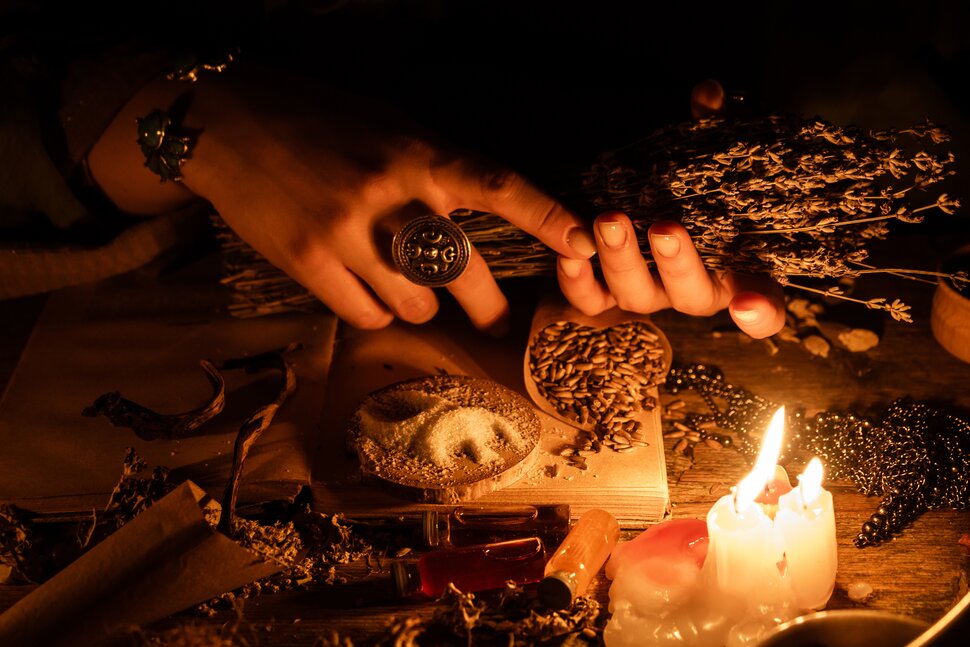
People in Robertson, Western Cape, may explore African traditional healing and spiritual guidance for a range of personal, family, and relationship concerns. African healing traditions are diverse and deeply connected to the histories, beliefs, and cultural practices of different communities across the continent.
The name Prof Sibanda may be used in content about traditional healing and spiritual services. Anyone seeking a specific practitioner should confirm their identity, background, services, and contact details before arranging a consultation.
Traditional healing can encompass spiritual reflection, cultural practices, herbal knowledge, prayer, and guidance, depending on the practitioner and tradition. For many people, these practices form part of a broader understanding of wellbeing, family, community, and personal meaning.
What Is an African Traditional Healer?
An African traditional healer is a practitioner whose work draws on particular Indigenous African healing traditions. Practices vary considerably between communities and individuals, so there is no single method that represents all African traditional healers.
Some practitioners focus on spiritual guidance and divination, while others have knowledge of traditional plants and their cultural uses. Certain practitioners combine different approaches according to their training and community traditions.
Traditional healing may be sought for:
- Spiritual reflection and personal guidance
- Family and relationship concerns
- Cultural and ancestral traditions
- Emotional support during difficult life changes
- Traditional knowledge about plants and wellbeing
The services offered by each practitioner should be explained clearly, including their limitations.
Understanding African Spiritual Practices
African spiritual traditions are not one uniform religion or system. Beliefs and practices differ among communities, including Zulu, Xhosa, Sotho, Tswana, Ndebele, and other cultural groups.
Some traditions recognise ancestral relationships as important to family and community life. Others incorporate prayer, ceremonies, symbolic objects, or divination as part of spiritual practice.
These traditions deserve to be approached respectfully and understood within their cultural context. Terms such as “spell caster” may be used in online searches, but they do not necessarily describe the full scope or meaning of a particular Indigenous tradition.
Traditional Healing and Relationship Challenges
Relationship difficulties can cause significant emotional strain. People may seek spiritual guidance when dealing with heartbreak, separation, marriage disagreements, or uncertainty about the future.
A spiritual consultation may provide an opportunity to reflect on personal choices, family circumstances, and hopes for a healthier relationship.
Practical steps remain important, including honest communication, taking responsibility for mistakes, and respecting personal boundaries. No spell caster or healer can reliably guarantee that a former partner will return, make another person fall in love, or save every marriage.
Healthy reconciliation requires the willingness of both people.
How to Choose a Traditional Healer
If you are considering consulting Prof Sibanda or another traditional healer in Robertson, take time to verify the practitioner and understand the service being offered.
Consider these questions:
- Can the practitioner clearly explain their background and approach?
- Are consultation fees and additional costs explained in advance?
- Are realistic expectations discussed openly?
- Is your privacy treated respectfully?
- Are you free to decline a service without pressure?
- Does the practitioner avoid promises of guaranteed supernatural results?
Be cautious of anyone who threatens you with curses, demands repeated payments to remove supposed spiritual dangers, or claims they can control another person’s choices.
Traditional Herbal Knowledge and Safety
Traditional plant knowledge is an important part of some African healing systems. However, natural products are not automatically safe. Certain herbs can cause side effects, interact with medicines, or be harmful when used incorrectly.
Anyone considering herbal products should ask about ingredients, preparation, dosage, and possible risks. Seek advice from a qualified healthcare professional, particularly if you take medication or have an ongoing health concern.
Traditional spiritual practices should not replace necessary medical assessment or emergency care.
Spiritual Guidance and Personal Wellbeing
People often seek guidance during periods of uncertainty because they want reassurance, direction, or a stronger sense of purpose.
Reflective practices such as prayer, journaling, meditation, and conversations with trusted community members may help some people organise their thoughts and identify constructive next steps.
For serious emotional distress, relationship conflict, or persistent mental health concerns, a qualified professional can provide additional support. Spiritual and cultural practices can remain personally meaningful while people also access appropriate professional care.
Frequently Asked Questions
What does an African traditional healer do?
Depending on their training and tradition, a healer may offer spiritual guidance, cultural practices, divination, or traditional plant knowledge. Services differ between practitioners.
Can a traditional healer solve relationship problems?
A practitioner may offer spiritual or reflective guidance, but no one can guarantee reconciliation. Relationship improvement usually requires communication, mutual respect, and willingness from both partners.
Are African traditional healing practices all the same?
No. African traditions are diverse, with different beliefs, ceremonies, and approaches across communities and regions.
How can I verify a traditional healer?
Ask about their training, cultural or professional affiliations where relevant, services, fees, and limitations. Check claims independently before paying for a consultation.
African traditional healing represents a broad range of cultural and spiritual traditions. For people in Robertson, learning about these practices can be an opportunity to explore cultural heritage, personal reflection, and different approaches to spiritual guidance.
If you are researching Prof Sibanda as a specific practitioner, verify the details of the services offered rather than relying solely on promotional claims. A responsible practitioner should communicate transparently, respect personal choices, and avoid guaranteeing results that cannot be substantiated.
Whether you are seeking cultural knowledge, spiritual reflection, or relationship guidance, prioritise informed decisions, personal safety, and respect for the traditions involved.