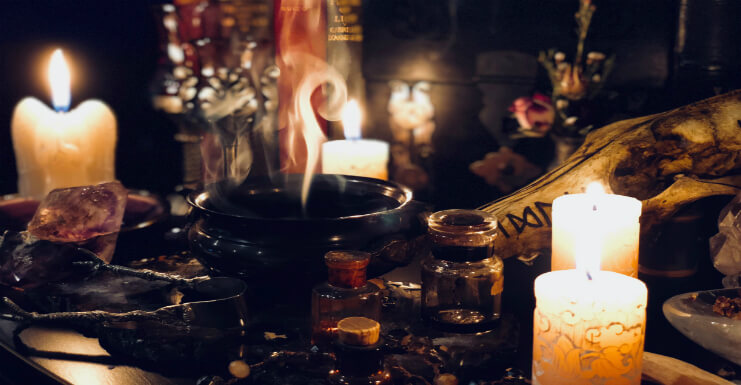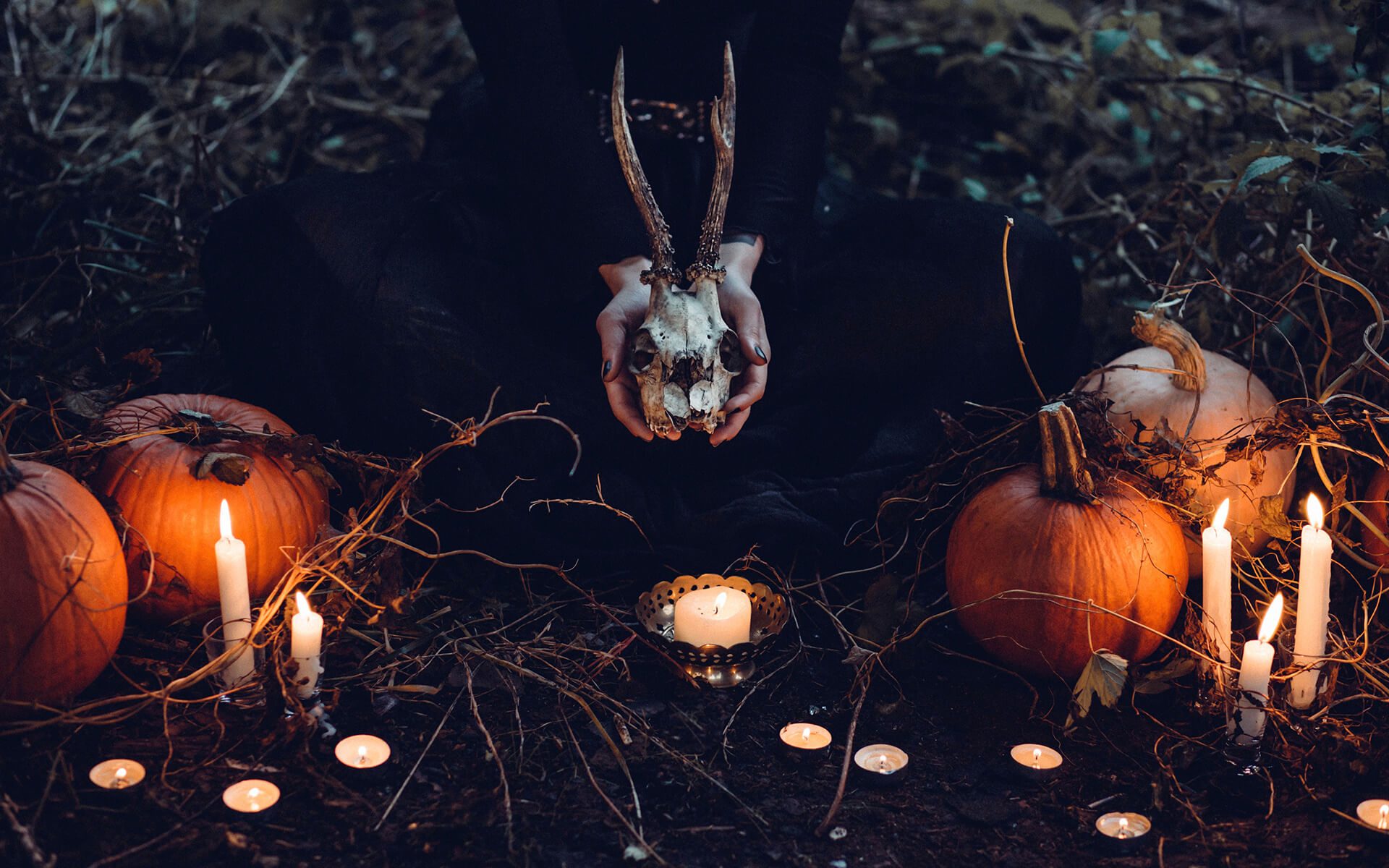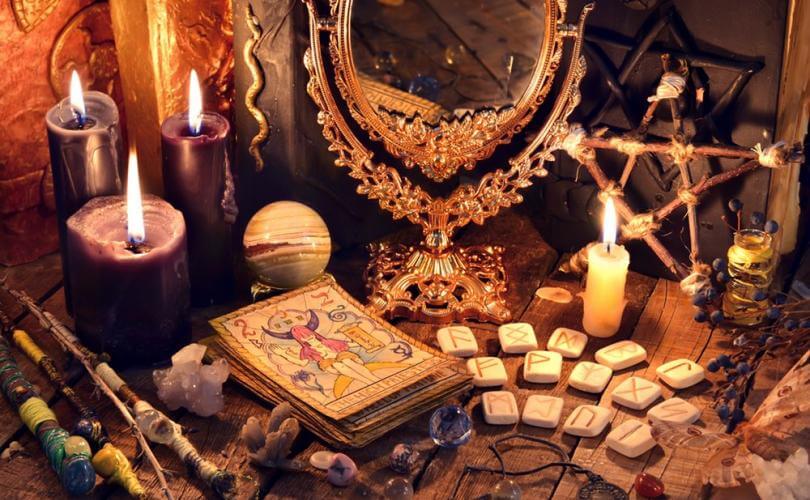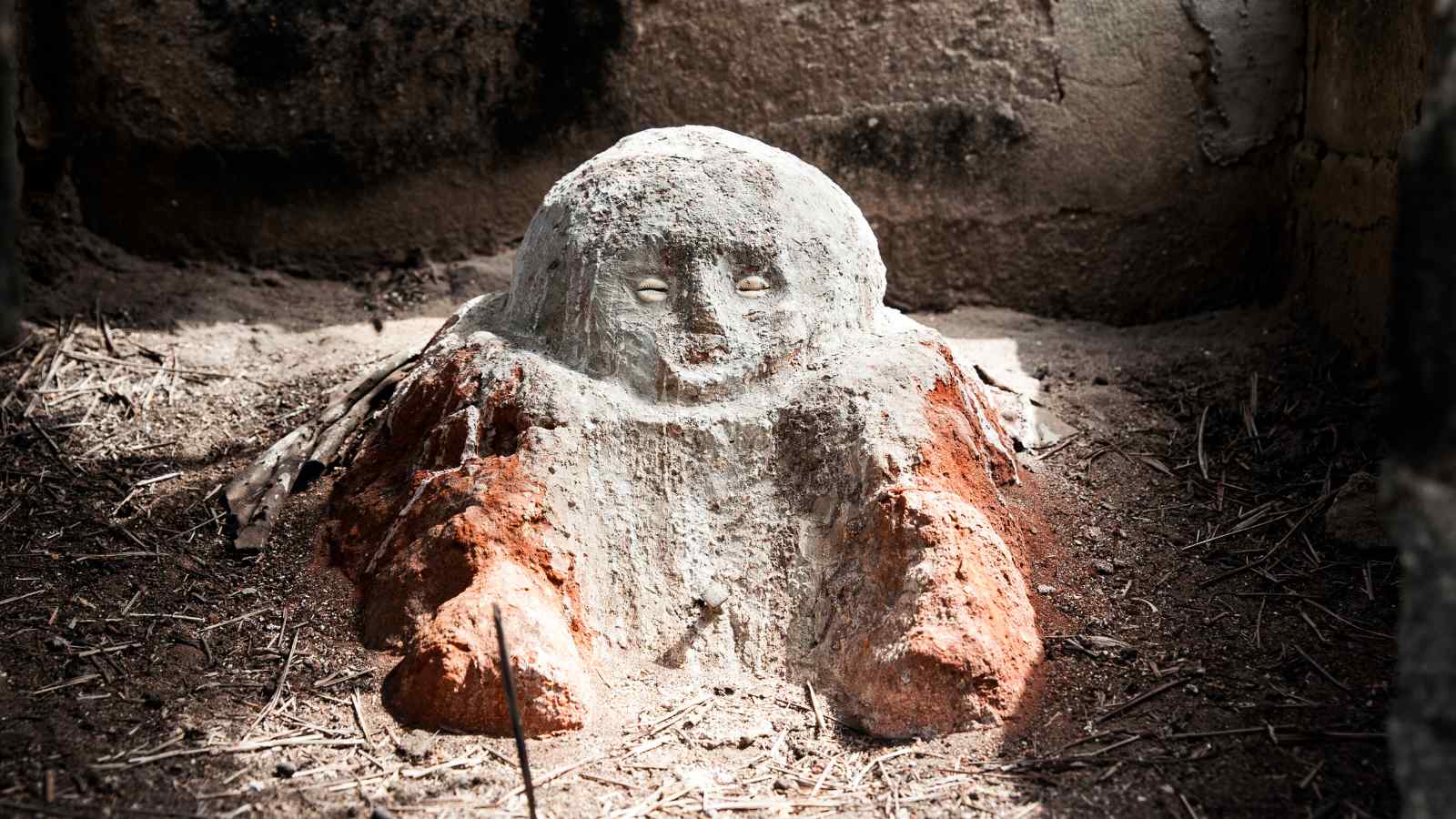
Traditional Healers Believe Ancestors Must Be Respected Through Ritual and Animal Sacrifice in Cape Town

African traditional healing encompasses a wide range of cultural, spiritual, and community-based practices. In many traditions, ancestors are regarded as important members of the extended family and are remembered and respected through particular rituals and ceremonies.

For some traditional healers, maintaining a respectful relationship with ancestors forms an important part of spiritual life. Rituals may be used to acknowledge family heritage, seek guidance, mark important occasions, or address concerns understood within a particular cultural worldview.

In Cape Town and throughout the Western Cape, these traditions exist alongside many different cultural communities and contemporary forms of spirituality.

Why Are Ancestors Important?

Within several African traditional belief systems, ancestors are understood as continuing members of the family who remain connected to those living today. Respect for ancestors can therefore involve remembering family members who have passed away and maintaining cultural traditions associated with them.

Traditional healers may interpret certain personal or family experiences through this spiritual framework. The exact beliefs and practices differ between communities, families, and individual practitioners.

Ancestor veneration should therefore not be treated as one uniform African practice. South Africa has many cultural traditions, each with its own customs and interpretations.

Rituals for Showing Respect

Traditional rituals can take different forms depending on the community and purpose of the ceremony. These may include:

  • Prayer or communication with ancestors
  • Family gatherings
  • Traditional songs and dances
  • The preparation of traditional foods
  • The use of symbolic objects
  • Ceremonial cleansing
  • Visiting significant family or ancestral places
  • Animal offerings or sacrifice in traditions where this is practiced

The meaning of a ritual is usually connected to the beliefs of the people participating rather than simply to the physical action itself.

Animal Sacrifice in Traditional Practices

Animal sacrifice is one of the practices associated with some African traditional ceremonies. Where it occurs, it can carry religious, cultural, familial, and symbolic significance.

A ceremony may involve an animal being offered as part of an important family event or spiritual observance. The practice varies considerably, and not every traditional healer or African cultural community participates in animal sacrifice.

It is also important to distinguish cultural descriptions of sacrifice from claims that a particular ritual will automatically produce a supernatural result.

The Role of Traditional Healers

Traditional healers can have different roles depending on their tradition and training. In South Africa, the terms sangoma and inyanga are commonly used for different forms of traditional healing practice.

Some sangomas are associated with spiritual consultation and divination, while inyangas are traditionally associated more strongly with medicinal plants and other forms of traditional medicine.

Traditional healing can involve a holistic understanding of an individual’s relationship with family, community, environment, spirituality, and personal wellbeing.

Ancestors, Family and Community

Ancestor traditions can also strengthen connections between generations. Ceremonies may bring relatives together to remember family members, preserve customs, and teach younger generations about their heritage.

For many communities, these traditions are not simply individual spiritual practices. They can form part of a broader cultural identity.

Cape Town’s diverse population means that traditional practices may be expressed in different ways, influenced by family history, cultural background, migration, urban life, and contemporary society.

Traditional Healing and Indigenous Knowledge

Traditional healing is also connected to Indigenous Knowledge Systems. Knowledge about medicinal plants, ceremonies, oral traditions, family customs, and spiritual practices has often been transmitted from one generation to another.

Preserving this knowledge can help communities maintain cultural heritage. At the same time, traditional medicine should be approached responsibly, particularly where herbs, medicines, or physical procedures are involved.

Natural substances are not automatically safe, and some traditional remedies can interact with medicines or cause harm. Serious medical conditions should receive appropriate care from qualified healthcare professionals.

Respecting Cultural Differences

One of the most important points when discussing traditional healing is that there is no single practice followed by every traditional healer.

Beliefs about ancestors, rituals, divination, ceremonies, medicinal plants, and sacrifice can differ significantly between cultural groups and families.

Learning about these practices respectfully helps avoid stereotypes and provides a better understanding of South Africa’s diverse cultural heritage.

Traditional Healing in Modern Cape Town

Modern Cape Town contains both traditional and contemporary approaches to health and spirituality. Some people maintain ancestral customs while also using hospitals, clinics, pharmacies, counselling services, and other modern healthcare resources.

For individuals who participate in traditional healing, cultural practices may provide a sense of identity, community, spiritual meaning, and connection with family history.

The two approaches should not automatically be viewed as identical. Medical treatment and spiritual or cultural practices have different purposes, and people should seek professional medical attention when experiencing potentially serious symptoms.

The belief that ancestors should be shown respect through ritual, and in some traditions through animal sacrifice, reflects particular African spiritual and cultural worldviews. These practices can carry deep meaning concerning family, heritage, spirituality, and community.

In Cape Town, as elsewhere in South Africa, traditional healing exists within a diverse cultural landscape. Understanding these traditions requires recognizing their variety and significance while avoiding assumptions that every traditional healer follows the same practices.
Healing Practices and Medicine in George, Western Cape

Healing practices and traditional medicine have a long history among Indigenous communities in Southern Africa. In George, Western Cape, these traditions can be explored through Indigenous Knowledge Systems, traditional plant knowledge, spiritual practices, cultural ceremonies, and community customs.

South African traditional healing is diverse. Different cultural groups have developed their own approaches to health, spirituality, medicinal plants, and community well-being. Consequently, there is no single system that represents every traditional healer in South Africa.


What Is Traditional Medicine?

Traditional medicine refers to knowledge, practices, and remedies that have developed within communities over generations.

Depending on the cultural tradition, traditional medicine may involve:

  • Medicinal plants
  • Roots and bark
  • Traditional preparations
  • Spiritual practices
  • Cultural ceremonies
  • Divination
  • Community support

Some practices are primarily associated with physical health, while others have cultural or spiritual purposes.


The Role of Sangomas

Sangomas are traditionally associated with spiritual consultation, divination, and cultural healing practices.

Their activities may include:

  • Traditional consultations
  • Divination
  • Cultural ceremonies
  • Ancestral observances
  • Spiritual guidance
  • Preservation of Indigenous knowledge

Beliefs concerning ancestors and spiritual healing are matters of cultural and religious tradition and should not be presented as scientifically proven supernatural abilities.


The Role of Inyangas

Inyangas are traditionally associated with knowledge of medicinal plants and traditional remedies.

Their knowledge can include the traditional use of:

  • Leaves
  • Roots
  • Bark
  • Seeds
  • Herbs
  • Other natural materials

Traditional plant knowledge is an important part of Indigenous Knowledge Systems. However, plants can contain powerful compounds, and some traditional preparations may be toxic or interact with prescription medicines.


Healing Ceremonies

Traditional healing may involve cultural ceremonies designed to address spiritual, social, or community concerns.

Depending on the tradition, ceremonies can include:

  • Singing
  • Drumming
  • Dancing
  • Prayer
  • Storytelling
  • Symbolic cleansing
  • Family gatherings

The meaning and purpose of these activities vary between communities.


Indigenous Plant Knowledge

Knowledge about medicinal plants has been preserved through generations of observation, experience, and oral teaching.

Traditional plant knowledge can contribute to:

  • Cultural heritage
  • Ethnobotanical research
  • Indigenous education
  • Environmental awareness
  • Scientific investigation

A plant’s traditional use does not automatically establish that it is medically effective or safe. Scientific research is necessary to determine appropriate uses, doses, and risks.


Healing and Community

Traditional healing can have a community-centred dimension. Families and elders may participate in cultural practices, ceremonies, and the transmission of knowledge.

This can help preserve:

  • Family history
  • Cultural identity
  • Indigenous languages
  • Oral traditions
  • Traditional customs
  • Community values

Traditional Medicine and Modern Healthcare

Traditional medicine continues to exist alongside modern healthcare in South Africa.

People may use traditional practices because of cultural beliefs, family traditions, spirituality, or personal preference. However, traditional remedies should not automatically be considered safe because they are natural.

Anyone using herbal preparations should inform their doctor or pharmacist, particularly when taking prescription medication. Serious illness, emergencies, and persistent symptoms should be assessed by qualified healthcare professionals.


Preserving Traditional Healing Knowledge

Traditional healing knowledge can be preserved through:

  • Cultural education
  • Oral history projects
  • Community mentorship
  • Indigenous language preservation
  • Ethnobotanical research
  • Heritage programmes

Responsible documentation can help protect cultural knowledge while supporting research into the safety and effectiveness of traditional remedies.


Healing practices and medicine in George reflect the broader diversity of South Africa’s Indigenous Knowledge Systems. Traditional plant knowledge, sangoma traditions, cultural ceremonies, spiritual practices, and community customs all contribute to the country’s rich cultural heritage.

Understanding these traditions respectfully can encourage appreciation of Indigenous knowledge while recognising the importance of evidence-based healthcare for medical diagnosis and treatment.

Sangomas as Revered Spiritual Practitioners in Zulu, Xhosa and Ndebele Traditions — Mossel Bay

The sangoma holds an important spiritual and cultural role in several Southern African traditions, including among Zulu, Xhosa, and Ndebele communities. In some communities, sangomas may be deeply respected for their knowledge of traditional practices, spiritual beliefs, ceremonies, and Indigenous Knowledge Systems.

In Mossel Bay, Western Cape, learning about the role of sangomas provides an opportunity to explore the diversity of African cultural traditions and the ways Indigenous knowledge has been preserved across generations.

The description of a sangoma as a “holy man or woman” can be useful when explaining their respected spiritual position, but it should not be treated as a universal title. Different communities use their own concepts and terminology to describe traditional practitioners.


What Is a Sangoma?

A sangoma is a traditional practitioner associated particularly with divination, spiritual consultation, and cultural healing practices.

Depending on the community and practitioner, their responsibilities may include:

  • Traditional consultation
  • Divination
  • Cultural ceremonies
  • Ancestral observances
  • Spiritual guidance
  • Traditional healing
  • Preservation of Indigenous knowledge

Not every sangoma performs exactly the same practices.


Sangomas Among the Zulu

Among Zulu communities, sangomas have historically been associated with spiritual and cultural traditions involving divination and ancestral beliefs.

Traditional practices may include:

  • Divination
  • Ceremonial gatherings
  • Ancestral observances
  • Traditional songs and dancing
  • Herbal knowledge
  • Community guidance

The specific customs followed by a practitioner depend on their training and cultural background.


Sangomas Among the Xhosa

Xhosa communities also have longstanding traditions involving traditional healers and spiritual practitioners.

Within some Xhosa traditions, practitioners may be associated with:

  • Ancestral relationships
  • Divination
  • Traditional ceremonies
  • Cultural counselling
  • Indigenous medicines
  • Community traditions

Xhosa healing traditions are diverse, and terminology and practices may differ between communities.


Sangomas Among the Ndebele

Ndebele communities have their own cultural traditions concerning spirituality, healing, family relationships, and ancestral heritage.

Traditional practitioners may participate in:

  • Cultural ceremonies
  • Traditional consultations
  • Ancestral observances
  • Indigenous healing practices
  • Community education

As with Zulu and Xhosa traditions, there is no single practice that represents every Ndebele community.


Why Are Sangomas Respected?

The respect given to sangomas can come from their perceived role as custodians of cultural knowledge and traditions.

They may be valued for their knowledge of:

  • Oral history
  • Cultural ceremonies
  • Traditional customs
  • Indigenous plants
  • Family traditions
  • Spiritual beliefs

For some communities, their role extends beyond individual consultations to the preservation of cultural identity.


Ancestral Beliefs

Ancestral traditions are important within several Southern African spiritual systems.

Some practitioners and communities believe that ancestors can provide guidance or influence family life. Ceremonies may be used to honour previous generations and maintain relationships with family heritage.

These beliefs are matters of spirituality and culture and should be distinguished from scientifically established claims.


Traditional Training

Becoming a traditional practitioner can involve extensive cultural learning and mentorship.

Training may include:

  • Learning traditional customs
  • Studying medicinal plants
  • Participating in ceremonies
  • Learning divination practices
  • Understanding community responsibilities
  • Receiving guidance from experienced practitioners

Training practices differ according to cultural tradition.


Sangomas and Indigenous Knowledge Systems

Sangoma traditions contribute to broader Indigenous Knowledge Systems (IKS).

This knowledge can encompass:

  • Indigenous languages
  • Oral traditions
  • Traditional medicine
  • Cultural ceremonies
  • Community history
  • Environmental knowledge

Preserving these traditions helps maintain South Africa’s diverse cultural heritage.


Spiritual Traditions and Modern Healthcare

Traditional spiritual practices can coexist with modern healthcare, but they should not be presented as replacements for evidence-based medical treatment.

Some herbal preparations may interact with prescription medicines or cause adverse effects. People using traditional remedies should inform their healthcare provider.

Serious illnesses and emergencies require appropriate professional medical care.


Final Thoughts

The sangoma is a respected traditional spiritual practitioner in several Southern African communities, including Zulu, Xhosa, and Ndebele traditions. While descriptions such as “holy man or woman” can communicate the spiritual respect associated with the role, the exact status and practices of sangomas vary between communities.

In Mossel Bay, learning about these traditions offers a valuable perspective on South Africa’s Indigenous Knowledge Systems, cultural diversity, and continuing connection to ancestral heritage.

Sangomas Are Traditional Healers Among the Zulu People of South Africa — Kariega

Sangomas are traditional healers among the Zulu people of South Africa, and their role is connected to longstanding Zulu cultural and spiritual traditions. In Kariega, Eastern Cape, learning about sangomas provides an opportunity to understand South Africa’s Indigenous Knowledge Systems and the cultural practices preserved across generations.

The word sangoma is commonly used for traditional practitioners associated with divination and spiritual or cultural healing. However, traditional healing is diverse, and practices can vary between families, communities, and individual practitioners.


What Is a Zulu Sangoma?

A Zulu sangoma is traditionally understood as a practitioner who may provide spiritual consultation, perform divination, and participate in cultural ceremonies.

Depending on the practitioner’s tradition, activities may include:

  • Divination
  • Traditional consultations
  • Ancestral ceremonies
  • Cultural guidance
  • Traditional healing practices
  • Preservation of Indigenous knowledge

These activities are rooted in cultural beliefs and should be understood within their specific historical context.


Ancestral Traditions

Ancestral beliefs are significant within many Zulu cultural traditions.

Some people understand ancestors as maintaining an ongoing relationship with their families and communities. Traditional ceremonies can provide opportunities to honour family history and maintain cultural continuity.

Beliefs about ancestral communication and spiritual abilities are matters of faith and culture rather than scientifically established supernatural phenomena.


Divination Practices

Divination is one of the practices traditionally associated with sangomas.

Depending on the tradition, a practitioner may use objects such as:

  • Bones
  • Shells
  • Stones
  • Other symbolic objects

The objects may be interpreted according to the practitioner’s traditional training and cultural framework.


Traditional Healing

Zulu traditional healing can incorporate a variety of cultural practices. Some practitioners may have knowledge of medicinal plants, while others may focus more heavily on divination and spiritual consultation.

Traditional practices can include:

  • Herbal preparations
  • Ceremonial practices
  • Cultural counselling
  • Spiritual observances
  • Community rituals

The practices of one sangoma should not automatically be assumed to represent every Zulu traditional healer.


How Sangomas Are Traditionally Trained

Traditional training may involve mentorship under an experienced practitioner.

Depending on the cultural tradition, an apprentice may learn about:

  • Indigenous customs
  • Traditional medicines
  • Ceremonial practices
  • Divination
  • Community responsibilities
  • Oral traditions

The training process can be lengthy and differs among practitioners.


Sangomas and Zulu Cultural Heritage

Sangomas contribute to the preservation of cultural heritage through:

  • Oral history
  • Traditional ceremonies
  • Indigenous knowledge
  • Cultural education
  • Community practices
  • Intergenerational learning

Their traditions form part of the wider cultural history of the Zulu people.


Sangoma and Inyanga

Sangomas and inyangas are both associated with South African traditional healing but traditionally have different areas of emphasis.

A sangoma is commonly associated with divination and spiritual consultation, while an inyanga is traditionally associated more closely with medicinal plants and herbal knowledge.

There can be overlap, depending on the individual practitioner and cultural context.


Traditional Healing and Modern Healthcare

Traditional healing remains culturally significant, but it is important to distinguish cultural practices from evidence-based medical treatment.

Some traditional medicines may contain biologically active substances and can interact with prescription medicines. People using herbal remedies should tell their doctor or pharmacist.

Serious illness, emergencies, and persistent symptoms should be assessed by qualified healthcare professionals.


Sangomas are traditional healers associated with the Zulu people and several other Southern African communities. Their traditional roles can include divination, spiritual consultation, ancestral observances, cultural ceremonies, and preservation of Indigenous Knowledge Systems.

In Kariega, exploring the history and role of Zulu sangomas provides insight into the Eastern Cape’s diverse cultural heritage and the continuing importance of traditional knowledge in South African society.

A Sangoma Is an African Traditional Healer in Gqeberha

A sangoma is an African traditional healer whose role is rooted in Indigenous cultural and spiritual traditions of Southern Africa. In Gqeberha, Eastern Cape, sangomas form part of the broader cultural landscape of traditional healing and Indigenous Knowledge Systems.

The term sangoma is commonly associated with practitioners who perform divination and provide traditional or spiritual guidance. However, practices and beliefs differ among communities, and not every traditional healer performs exactly the same role.


What Does a Sangoma Do?

The responsibilities of a sangoma can vary according to cultural tradition and individual training.

Traditional activities may include:

  • Divination
  • Spiritual consultation
  • Traditional ceremonies
  • Ancestral observances
  • Cultural guidance
  • Preservation of Indigenous knowledge

Some traditions use bones, shells, stones, or other culturally significant objects during divination. Their interpretation is based on traditional training and belief systems.


Sangomas and Ancestral Traditions

Ancestral beliefs are an important part of some sangoma traditions.

Within these belief systems, ancestors may be understood as connected to family identity, cultural continuity, and spiritual guidance. Ceremonies and family traditions can provide ways of honouring previous generations.

These are religious and cultural beliefs, and claims about supernatural communication should be distinguished from scientifically established facts.


How Does Someone Become a Sangoma?

Traditional training can involve a lengthy process of mentorship and cultural education.

Depending on the tradition, training may include:

  • Learning cultural customs
  • Studying traditional practices
  • Participating in ceremonies
  • Learning about Indigenous medicines
  • Understanding community responsibilities
  • Receiving guidance from experienced practitioners

The process differs among communities and should not be assumed to follow one universal model.


Sangoma and Inyanga: What Is the Difference?

Sangomas and inyangas are both commonly discussed within South African traditional healing, but their traditional roles are often different.

Sangomas are particularly associated with divination and spiritual or cultural consultation.

Inyangas are more commonly associated with knowledge of medicinal plants and traditional preparations.

There can nevertheless be overlap between these roles depending on the practitioner and cultural context.


Indigenous Knowledge Systems

Sangoma traditions form part of broader Indigenous Knowledge Systems that preserve generations of cultural knowledge.

This may include:

  • Oral history
  • Indigenous languages
  • Traditional ceremonies
  • Plant knowledge
  • Cultural values
  • Community traditions

Preserving this knowledge contributes to South Africa’s cultural heritage.


Traditional Healing in Gqeberha

Gqeberha is part of the culturally diverse Eastern Cape, where Indigenous traditions continue to contribute to community identity.

Learning about traditional healers can help people understand:

  • Eastern Cape cultural heritage
  • Indigenous spirituality
  • Traditional medicine
  • Family traditions
  • Community customs

These practices vary considerably between communities and individuals.


Traditional Healing and Modern Healthcare

Traditional healing and modern healthcare can exist alongside one another, but traditional remedies should not automatically be considered safe simply because they are natural.

Some herbal substances can interact with prescription medicines or cause harmful effects. People using traditional remedies should inform their healthcare provider.

For serious illness, emergencies, pregnancy complications, or persistent symptoms, qualified healthcare professionals should be consulted.


A sangoma is an African traditional healer whose role is deeply connected with the cultural and spiritual traditions of several Southern African communities. Sangomas may be associated with divination, ancestral traditions, ceremonies, spiritual consultation, and Indigenous Knowledge Systems.

In Gqeberha, learning about sangomas offers a way to understand the Eastern Cape’s cultural heritage while recognising the diversity of traditional healing practices across South Africa.

The Two Main Types of Traditional Healers Among the Nguni, Sotho, and Tsonga in Mthatha

Traditional healing is an important part of the cultural heritage of many communities in Southern Africa. Among Nguni, Sotho, and Tsonga communities, two broad categories commonly discussed are diviners or sangomas and herbalists or inyangas.

The terminology and exact responsibilities can vary between communities. Traditional healing should therefore not be treated as one uniform system shared by every Nguni, Sotho, or Tsonga community.

In Mthatha, Eastern Cape, these traditions can be explored as part of the region’s wider Indigenous Knowledge Systems and cultural heritage.


1. Sangomas or Traditional Diviners

Sangomas are traditionally associated with divination, spiritual consultation, and cultural healing practices.

Depending on the particular tradition, a sangoma may be involved in:

  • Traditional consultations
  • Divination
  • Cultural ceremonies
  • Ancestral traditions
  • Spiritual guidance
  • Community education

Some divination traditions involve objects such as bones, shells, or other symbolic materials. Their interpretation depends on the practitioner’s training and cultural framework.

Beliefs concerning ancestors and spiritual communication are matters of cultural and religious belief rather than scientifically established supernatural abilities.


2. Inyangas or Traditional Herbalists

Inyangas are traditionally associated with medicinal plant knowledge and traditional remedies.

Their knowledge may include the traditional use of:

  • Roots
  • Leaves
  • Bark
  • Seeds
  • Indigenous herbs
  • Other natural materials

This knowledge has often been transmitted through mentorship and generations of community experience.

However, medicinal plants can contain powerful biological compounds. Some can be toxic or interact with prescription medicines, so traditional remedies should not automatically be assumed to be safe.


Nguni Traditional Healing

Nguni-speaking communities include several cultural groups, including the isiXhosa- and isiZulu-speaking peoples.

Traditional healing practices can involve:

  • Ancestral beliefs
  • Divination
  • Ceremonies
  • Medicinal plants
  • Oral traditions
  • Community participation

Practices vary between communities and families.


Sotho Traditional Healing

Sotho-speaking communities also have longstanding Indigenous healing traditions.

Traditional practitioners may preserve knowledge relating to:

  • Medicinal plants
  • Cultural ceremonies
  • Spiritual beliefs
  • Family traditions
  • Community customs

The specific terminology and responsibilities of practitioners can vary among Sotho communities.


Tsonga Traditional Healing

Tsonga communities have their own Indigenous healing traditions and cultural practices.

These can include knowledge concerning:

  • Traditional medicines
  • Spiritual practices
  • Cultural ceremonies
  • Ancestral traditions
  • Indigenous plants
  • Community customs

As with Nguni and Sotho traditions, there is significant diversity within Tsonga cultural practices.


Indigenous Knowledge Systems

The knowledge held by traditional practitioners forms part of broader Indigenous Knowledge Systems (IKS).

These systems can preserve:

  • Oral history
  • Indigenous languages
  • Plant knowledge
  • Traditional ceremonies
  • Cultural values
  • Community history

Intergenerational teaching plays an important role in keeping this knowledge alive.


Traditional Healing and Modern Healthcare

Traditional healing continues to coexist with modern healthcare in South Africa. People may value traditional practices because of cultural identity, family traditions, spirituality, or community connections.

At the same time, traditional remedies should be discussed with healthcare professionals when appropriate. Some herbal products can interact with medicines or cause adverse effects.

Serious illness, emergencies, pregnancy complications, and persistent symptoms should receive assessment from qualified healthcare professionals.


The two broad types of traditional healers commonly discussed among Nguni, Sotho, and Tsonga communities are sangomas or diviners and inyangas or herbalists. Their roles are distinct but can sometimes overlap depending on cultural tradition and individual training.

In Mthatha, understanding these traditions provides insight into the Eastern Cape’s rich cultural heritage while highlighting the diversity of Indigenous Knowledge Systems throughout South Africa.

Four Different Kinds of Traditional Healers in South Africa — East London

South Africa has a diverse range of Indigenous healing traditions. In East London, Eastern Cape, traditional healers may be understood through different cultural roles involving spirituality, medicinal plants, ceremonies, and community knowledge.

There is no single classification that applies to every South African community. Terminology and responsibilities can differ according to cultural group and region. The commonly discussed categories below provide a useful introduction to traditional healing in South Africa.


1. Sangomas or Diviners

Sangomas, also known as traditional diviners in some contexts, are traditionally associated with spiritual consultation and divination.

Their cultural roles may include:

  • Traditional consultations
  • Divination
  • Ancestral traditions
  • Spiritual ceremonies
  • Cultural guidance
  • Community education

Some traditions use objects such as bones, shells, or other symbolic items during divination. The interpretation of these objects is based on the practitioner’s cultural training and beliefs.


2. Inyangas or Herbalists

Inyangas are traditionally associated with knowledge of medicinal plants and traditional preparations.

Their knowledge may involve:

  • Roots
  • Leaves
  • Bark
  • Seeds
  • Indigenous herbs
  • Traditional preparations

Plant knowledge is an important component of Indigenous Knowledge Systems. However, herbal remedies can have significant biological effects, and some can interact with prescription medicines.


3. Traditional Surgeons

Traditional surgeons are another category recognised in South Africa’s traditional health framework. Their practices are associated with specific traditional procedures and cultural contexts.

Because some traditional procedures can involve significant health risks, it is important that anyone considering such treatment understands the potential risks and seeks appropriate professional healthcare advice.


4. Traditional Birth Attendants

Traditional birth attendants have historically assisted women and families during pregnancy and childbirth within particular communities.

Their role can include:

  • Supporting expectant mothers
  • Providing cultural guidance
  • Assisting families during childbirth
  • Preserving traditional birth-related knowledge

Pregnancy and childbirth can involve serious medical complications, so qualified maternity services remain important for safe antenatal care and emergency treatment.


Why Are There Different Types?

Traditional healing developed across many different African societies, each with its own:

  • Languages
  • Customs
  • Spiritual beliefs
  • Medicinal knowledge
  • Ceremonies
  • Community structures

Consequently, the responsibilities of a traditional healer can differ significantly from one community to another.


Indigenous Knowledge Systems

Traditional healers are important custodians of Indigenous Knowledge Systems. Their knowledge may include:

  • Oral traditions
  • Indigenous plant knowledge
  • Cultural ceremonies
  • Traditional customs
  • Community history
  • Spiritual traditions

Passing this knowledge between generations helps preserve South Africa’s cultural heritage.


Traditional Healing and Modern Healthcare

Traditional healing continues to exist alongside South Africa’s modern healthcare system. People may use traditional practices for cultural, spiritual, or personal reasons.

However, traditional remedies should not automatically be considered safe because they are natural. People taking medication should tell their healthcare provider about herbal products or traditional remedies they use.

For serious illness, pregnancy complications, injuries, emergencies, or persistent symptoms, qualified healthcare services should be sought.


The four commonly discussed categories of traditional healers in South Africa include sangomas or diviners, inyangas or herbalists, traditional surgeons, and traditional birth attendants. Their roles are rooted in different Indigenous traditions and can vary considerably between communities.

In East London, learning about these practitioners provides an opportunity to appreciate the Eastern Cape’s cultural heritage and the broader Indigenous Knowledge Systems of South Africa.

Traditional Indigenous Healing in Mthatha, Eastern Cape

Traditional Indigenous healing is an important part of the cultural heritage of many communities across South Africa. In Mthatha, Eastern Cape, these traditions are connected to Indigenous Knowledge Systems, cultural identity, community practices, medicinal plants, and spiritual beliefs.

Traditional healing is not one single system. Practices differ according to language, community, family traditions, and individual practitioners. Learning about these traditions provides an opportunity to understand the cultural knowledge that has been passed between generations.


What Is Traditional Indigenous Healing?

Traditional Indigenous healing refers to health-related practices and knowledge developed within Indigenous communities over generations.

Depending on the tradition, it may involve:

  • Indigenous medicinal plants
  • Traditional consultations
  • Spiritual practices
  • Cultural ceremonies
  • Ancestral traditions
  • Community support
  • Knowledge passed through mentorship

The meaning and purpose of these practices can differ substantially between communities.


Sangomas and Traditional Healing

Sangomas are among the traditional practitioners associated with Indigenous healing traditions in Southern Africa.

Depending on their cultural background, their roles may include:

  • Traditional consultation
  • Divination
  • Spiritual and cultural guidance
  • Ceremonial practices
  • Preservation of oral traditions
  • Community and cultural education

Beliefs concerning spirituality and ancestral guidance are matters of cultural and religious belief and are not scientifically established supernatural abilities.


Indigenous Medicinal Plants

Traditional plant knowledge is another important aspect of Indigenous healing.

Practitioners may have knowledge about:

  • Roots
  • Leaves
  • Bark
  • Seeds
  • Flowers
  • Indigenous herbs

Knowledge about plants has historically been passed through families and traditional training. However, natural products can have powerful biological effects, and some plants can be poisonous or interact with medicines.


Cultural and Spiritual Practices

Traditional healing may incorporate cultural practices such as:

  • Singing
  • Drumming
  • Dancing
  • Prayer
  • Storytelling
  • Ceremonial gatherings

These practices can have cultural and spiritual significance and may help maintain community identity.


Indigenous Knowledge Systems

Traditional healing forms part of broader Indigenous Knowledge Systems (IKS).

These systems may preserve:

  • Indigenous languages
  • Oral history
  • Traditional customs
  • Plant knowledge
  • Cultural ceremonies
  • Community values
  • Environmental knowledge

Passing knowledge to younger generations helps protect South Africa’s cultural heritage.


Traditional Healing in the Eastern Cape

The Eastern Cape has a rich cultural history and diverse Indigenous traditions. Communities continue to preserve traditional knowledge through family practices, cultural events, mentorship, and community participation.

Mthatha provides an important setting for exploring the relationship between traditional knowledge, cultural identity, and contemporary South African society.


Traditional Healing and Modern Healthcare

Traditional healing and modern healthcare may exist alongside one another. People who use traditional remedies should tell their doctor or pharmacist about them because some herbal products can interact with prescription medicines.

Traditional practices should not replace appropriate medical diagnosis or treatment. Serious symptoms, emergencies, and persistent health problems should be assessed by qualified healthcare professionals.


Preserving Indigenous Healing Knowledge

Traditional knowledge can be preserved through:

  • Recording oral histories
  • Supporting Indigenous languages
  • Cultural education
  • Community mentorship
  • Ethnobotanical research
  • Heritage programmes

Responsible documentation can help protect cultural knowledge while encouraging research into the safety and effectiveness of traditional practices.

Traditional Indigenous healing in Mthatha reflects the cultural diversity and historical knowledge of South African communities. Through medicinal plant knowledge, ceremonies, spiritual traditions, oral history, and community practices, Indigenous healing remains an important subject for cultural education and heritage preservation.

Understanding these traditions respectfully can encourage appreciation of Indigenous Knowledge Systems while recognising the importance of safe, evidence-based healthcare for medical needs.

Are Isangomas Spiritual Healers? Understanding Their Role in Polokwane

Are Isangomas Spiritual Healers?

Yes. Isangomas are traditionally understood as spiritual healers within several Southern African Indigenous traditions. South African History Online describes isangomas as spiritual healers who diagnose illness and consider a person’s physical, social, family, and environmental circumstances.

In Polokwane, Limpopo, understanding the role of an isangoma requires looking at traditional beliefs within their cultural context. Practices and beliefs vary between communities, so there is no single method followed by every sangoma.


What Is an Isangoma?

An isangoma, commonly called a sangoma, is a traditional practitioner associated with spiritual healing, divination, cultural traditions, and Indigenous Knowledge Systems.

According to South African History Online, sangomas may approach illness holistically, considering not only physical symptoms but also social and environmental circumstances.

Their traditional roles can include:

  • Spiritual consultation
  • Divination
  • Traditional healing
  • Cultural ceremonies
  • Ancestral observances
  • Preservation of Indigenous knowledge

Spiritual Healing and Ancestral Beliefs

An important part of many sangoma traditions is the belief that ancestors can provide guidance.

Within these traditions, a sangoma may understand their calling and abilities through an ancestral framework. South African History Online describes traditional practitioners as believing that they may be called by their ancestors and undergo demanding training before practicing.

These are spiritual and cultural beliefs, rather than claims that have been scientifically established.


Divination and Traditional Consultation

Divination is another important aspect associated with some sangoma traditions.

Traditional consultations can involve asking questions about a person’s circumstances and, in some traditions, bone casting. The objects used in divination can include bones, stones, shells, or other culturally meaningful objects.

The interpretation of these objects depends on the practitioner’s cultural tradition and training.


Healing Ceremonies

Some sangoma traditions incorporate ceremonial activities such as:

  • Singing
  • Dancing
  • Drumming
  • Traditional clothing
  • Beads
  • Prayers or spiritual observances

South African History Online describes singing, dancing, and drumming as activities that may form part of traditional healing rituals.

The specific ceremonies vary between communities.


The Holistic Approach

Traditional sangoma practices may view a person as part of a wider family and community rather than as an isolated individual.

This can mean considering:

  • Physical symptoms
  • Family relationships
  • Work and social circumstances
  • Emotional difficulties
  • Cultural traditions
  • Spiritual beliefs

This approach is often described as holistic, because it considers multiple dimensions of a person’s life.


How Does Someone Become a Sangoma?

Traditional accounts describe sangoma training as a serious and demanding process.

Training can involve:

  • Mentorship
  • Cultural education
  • Traditional ceremonies
  • Learning Indigenous practices
  • Cleansing rituals
  • Community responsibilities

South African History Online notes that traditional practitioners describe being called to the role through experiences interpreted within their ancestral belief systems, followed by traditional training.


Is Spiritual Healing Scientifically Proven?

It is important to distinguish cultural belief from scientific evidence.

Ancestral communication, spiritual powers, and supernatural explanations for illness are matters of spiritual belief and tradition. They have not been established as scientific facts.

At the same time, the cultural significance of sangomas is real and important to many South African communities.


Spiritual Healing and Modern Healthcare

Traditional spiritual practices can coexist with modern healthcare, but they should not replace appropriate medical diagnosis or treatment.

People using traditional remedies should tell their doctor or pharmacist about them because some plants and preparations can interact with medicines.

Serious illness, emergencies, or persistent symptoms should be assessed by qualified healthcare professionals.


Indigenous Knowledge and Cultural Heritage

Sangomas form part of South Africa’s broader Indigenous Knowledge Systems. Their traditions contribute to preserving:

  • Oral history
  • Cultural ceremonies
  • Indigenous beliefs
  • Traditional knowledge
  • Community customs
  • African heritage

Learning about these traditions can help preserve cultural knowledge for future generations.


Isangomas are traditionally regarded as spiritual healers, particularly within Indigenous Southern African traditions. Their roles may involve spiritual consultation, divination, traditional healing, ancestral beliefs, ceremonies, and the preservation of cultural knowledge.

In Polokwane, learning about isangomas provides an opportunity to understand Limpopo’s diverse cultural heritage and the continuing importance of Indigenous Knowledge Systems. Their spiritual practices should be understood respectfully as cultural and religious traditions while medical conditions continue to receive appropriate evidence-based healthcare.

Indigenous Medicine and Traditional Healing in Kuruman, South Africa

Indigenous medicine and traditional healing form an important part of South Africa’s cultural heritage. In Kuruman, these traditions can be understood through the broader Indigenous Knowledge Systems that have been passed from generation to generation.

South African History Online identifies isangomas and inyangas as two main types of Indigenous or traditional healers in South Africa. Their roles differ, with sangomas traditionally associated with spiritual healing and diagnosis, while inyangas are associated particularly with herbal and medicinal knowledge.


What Is Indigenous Medicine?

Indigenous medicine refers to knowledge and practices developed within communities over many generations.

Traditional knowledge can include:

  • Indigenous plants and herbs
  • Traditional medicines
  • Cultural ceremonies
  • Oral history
  • Community customs
  • Spiritual traditions
  • Knowledge of the natural environment

The specific practices differ between South Africa’s many cultural and linguistic communities.


The Role of a Sangoma

Sangomas are traditionally associated with spiritual healing and holistic approaches to illness. According to South African History Online, sangomas may consider physical symptoms alongside social and environmental circumstances affecting an individual and their family.

Traditional consultations may involve questioning, cultural practices, and, in some traditions, bone casting. Dancing, singing, and drumming may also form part of particular healing ceremonies.

These practices should be understood within their specific cultural and spiritual traditions rather than assumed to be identical throughout South Africa.


The Role of an Inyanga

An inyanga is traditionally associated with knowledge of herbs, roots, bark, and other natural materials used in traditional medicine. South African History Online notes that inyangas undergo extensive training to learn about different plants and their traditional applications.

Traditional plant knowledge is an important part of Indigenous Knowledge Systems. However, natural substances can also have powerful biological effects, and incorrect preparation or dosage can be harmful.


Traditional Plant Knowledge

South Africa has a long history of using indigenous plants for traditional purposes. Some plants mentioned in historical accounts of traditional medicine have subsequently become subjects of scientific research.

South African History Online, for example, discusses the Madagascar periwinkle, whose compounds have contributed to modern cancer medicines.

This illustrates why Indigenous plant knowledge is valuable to cultural history and can also be relevant to scientific research.


Training of Traditional Healers

Traditional training can be demanding and differs according to cultural tradition.

Historical accounts describe training involving:

  • Mentorship
  • Learning Indigenous knowledge
  • Cultural ceremonies
  • Traditional customs
  • Cleansing practices
  • Learning about medicinal plants

South African History Online notes that practitioners may describe their calling and training in spiritual and cultural terms.


Indigenous Medicine and Community Life

Traditional healing is often connected to a broader understanding of community and well-being.

Traditional practices may involve:

  • Families
  • Elders
  • Community ceremonies
  • Cultural celebrations
  • Oral traditions
  • Intergenerational learning

This community-centred dimension is an important part of understanding traditional healing in its cultural context.


Traditional Healing and Modern Healthcare

Traditional medicine and modern healthcare both have a place in contemporary South African society. Some people use traditional practices while also visiting clinics, hospitals, doctors, or other healthcare professionals.

Traditional remedies should not automatically be assumed to be safe simply because they are natural. People taking medicines should tell their healthcare providers about traditional remedies or supplements because interactions are possible.

Serious illnesses, emergencies, and conditions requiring diagnosis should be assessed by qualified healthcare professionals.


Preserving Indigenous Knowledge

Protecting Indigenous Knowledge Systems is important for preserving South Africa’s cultural heritage.

Communities can contribute by:

  • Recording oral histories
  • Teaching younger generations
  • Preserving Indigenous languages
  • Documenting traditional plant knowledge
  • Supporting cultural education
  • Maintaining traditional ceremonies

Respectful documentation can help prevent valuable cultural knowledge from being lost.


Indigenous medicine and traditional healing in Kuruman form part of South Africa’s wider cultural and historical landscape. Sangomas, inyangas, traditional plant knowledge, ceremonies, and oral traditions all contribute to the country’s diverse Indigenous Knowledge Systems.

Understanding these traditions provides an opportunity to appreciate African cultural heritage while also recognising the importance of safe, evidence-based healthcare for medical needs.

error: Content is protected !!