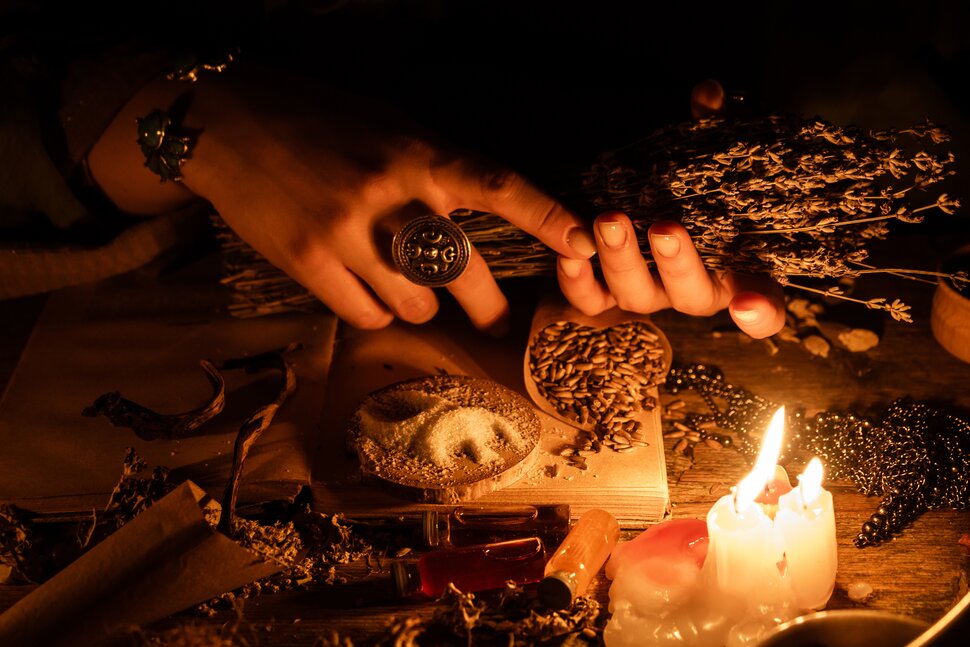
African traditional healers have been an important part of South African communities for centuries. In Bedfordview, traditional healers continue to contribute to the preservation of indigenous knowledge, cultural heritage, and community traditions. Their work reflects generations of experience, cultural teachings, and practices that have been passed down through families and communities.
Traditional healing is recognized as part of South Africa’s diverse cultural landscape. Many people seek to learn more about African traditional healing because of its historical significance and its role in preserving indigenous customs and knowledge.
Who Are African Traditional Healers?
African traditional healers are practitioners who have received knowledge and training according to their cultural traditions. Their roles differ among communities and may include cultural guidance, education, and participation in traditional ceremonies.
Traditional healers may include:
- Sangomas
- Inyangas
- Traditional herbal practitioners
- Indigenous cultural practitioners
Each community may have its own customs, practices, and methods of training.
The Role of Traditional Healers
Traditional healers often contribute to their communities by:
- Preserving indigenous knowledge
- Supporting cultural education
- Participating in traditional ceremonies
- Promoting African cultural heritage
- Encouraging community unity
- Passing traditional knowledge to future generations
Their work helps preserve customs that have been part of African societies for many generations.
Indigenous Knowledge and Cultural Heritage
Traditional healing is closely connected to indigenous knowledge systems.
These knowledge systems include:
- Traditional customs
- Oral history
- Community values
- Cultural identity
- Indigenous practices
Protecting this knowledge helps preserve South Africa’s rich cultural diversity.
Traditional Learning and Mentorship
Many traditional healers spend years learning from experienced mentors.
Training often involves:
Cultural Education
Learning community customs, traditions, and responsibilities.
Mentorship
Receiving guidance from experienced traditional practitioners.
Community Participation
Taking part in cultural ceremonies and heritage events.
Indigenous Knowledge
Studying traditional beliefs, customs, and African history.
Training methods vary according to cultural traditions and local communities.
Traditional Healing in Modern South Africa
South Africa embraces many approaches to health, culture, and community well-being.
Many people appreciate:
- Modern healthcare services
- Traditional healing practices
- Cultural education
- Community support
- Indigenous heritage
Traditional healing continues to exist alongside modern healthcare while maintaining its cultural importance.
Choosing a Traditional Healer
If you are considering consulting a traditional healer, it is helpful to choose someone who:
- Is respected within their community
- Clearly explains their services
- Practices ethically and transparently
- Respects your beliefs and choices
- Encourages appropriate medical care when necessary
Taking time to research practitioners can help you make an informed decision.
Preserving African Heritage
Traditional healers continue to help preserve:
- African cultural identity
- Indigenous knowledge
- Traditional customs
- Community history
- Cultural education
These contributions remain valuable for future generations and help strengthen appreciation for South Africa’s diverse cultural heritage.
African traditional healers in Bedfordview continue to play an important cultural role by preserving indigenous knowledge, supporting community traditions, and promoting African heritage. Through mentorship, cultural education, and participation in traditional ceremonies, they contribute to the continued preservation of South Africa’s rich and diverse traditions.
Understanding the role of traditional healers encourages greater appreciation for indigenous knowledge while respecting the country’s many cultural communities.