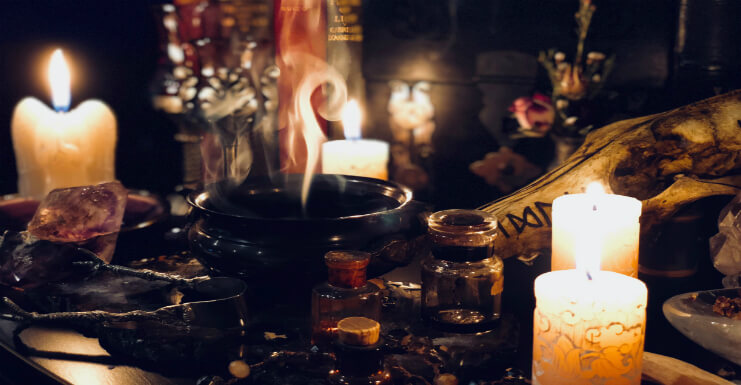
A sangoma is an African traditional healer whose role is rooted in Indigenous cultural and spiritual traditions of Southern Africa. In Gqeberha, Eastern Cape, sangomas form part of the broader cultural landscape of traditional healing and Indigenous Knowledge Systems.
The term sangoma is commonly associated with practitioners who perform divination and provide traditional or spiritual guidance. However, practices and beliefs differ among communities, and not every traditional healer performs exactly the same role.
What Does a Sangoma Do?
The responsibilities of a sangoma can vary according to cultural tradition and individual training.
Traditional activities may include:
- Divination
- Spiritual consultation
- Traditional ceremonies
- Ancestral observances
- Cultural guidance
- Preservation of Indigenous knowledge
Some traditions use bones, shells, stones, or other culturally significant objects during divination. Their interpretation is based on traditional training and belief systems.
Sangomas and Ancestral Traditions
Ancestral beliefs are an important part of some sangoma traditions.
Within these belief systems, ancestors may be understood as connected to family identity, cultural continuity, and spiritual guidance. Ceremonies and family traditions can provide ways of honouring previous generations.
These are religious and cultural beliefs, and claims about supernatural communication should be distinguished from scientifically established facts.
How Does Someone Become a Sangoma?
Traditional training can involve a lengthy process of mentorship and cultural education.
Depending on the tradition, training may include:
- Learning cultural customs
- Studying traditional practices
- Participating in ceremonies
- Learning about Indigenous medicines
- Understanding community responsibilities
- Receiving guidance from experienced practitioners
The process differs among communities and should not be assumed to follow one universal model.
Sangoma and Inyanga: What Is the Difference?
Sangomas and inyangas are both commonly discussed within South African traditional healing, but their traditional roles are often different.
Sangomas are particularly associated with divination and spiritual or cultural consultation.
Inyangas are more commonly associated with knowledge of medicinal plants and traditional preparations.
There can nevertheless be overlap between these roles depending on the practitioner and cultural context.
Indigenous Knowledge Systems
Sangoma traditions form part of broader Indigenous Knowledge Systems that preserve generations of cultural knowledge.
This may include:
- Oral history
- Indigenous languages
- Traditional ceremonies
- Plant knowledge
- Cultural values
- Community traditions
Preserving this knowledge contributes to South Africa’s cultural heritage.
Traditional Healing in Gqeberha
Gqeberha is part of the culturally diverse Eastern Cape, where Indigenous traditions continue to contribute to community identity.
Learning about traditional healers can help people understand:
- Eastern Cape cultural heritage
- Indigenous spirituality
- Traditional medicine
- Family traditions
- Community customs
These practices vary considerably between communities and individuals.
Traditional Healing and Modern Healthcare
Traditional healing and modern healthcare can exist alongside one another, but traditional remedies should not automatically be considered safe simply because they are natural.
Some herbal substances can interact with prescription medicines or cause harmful effects. People using traditional remedies should inform their healthcare provider.
For serious illness, emergencies, pregnancy complications, or persistent symptoms, qualified healthcare professionals should be consulted.
A sangoma is an African traditional healer whose role is deeply connected with the cultural and spiritual traditions of several Southern African communities. Sangomas may be associated with divination, ancestral traditions, ceremonies, spiritual consultation, and Indigenous Knowledge Systems.
In Gqeberha, learning about sangomas offers a way to understand the Eastern Cape’s cultural heritage while recognising the diversity of traditional healing practices across South Africa.