
The Two Main Types of Traditional Healers Among the Nguni, Sotho, and Tsonga in Mthatha

Traditional healing is an important part of the cultural heritage of many communities in Southern Africa. Among Nguni, Sotho, and Tsonga communities, two broad categories commonly discussed are diviners or sangomas and herbalists or inyangas.

The terminology and exact responsibilities can vary between communities. Traditional healing should therefore not be treated as one uniform system shared by every Nguni, Sotho, or Tsonga community.

In Mthatha, Eastern Cape, these traditions can be explored as part of the region’s wider Indigenous Knowledge Systems and cultural heritage.


1. Sangomas or Traditional Diviners

Sangomas are traditionally associated with divination, spiritual consultation, and cultural healing practices.

Depending on the particular tradition, a sangoma may be involved in:

  • Traditional consultations
  • Divination
  • Cultural ceremonies
  • Ancestral traditions
  • Spiritual guidance
  • Community education

Some divination traditions involve objects such as bones, shells, or other symbolic materials. Their interpretation depends on the practitioner’s training and cultural framework.

Beliefs concerning ancestors and spiritual communication are matters of cultural and religious belief rather than scientifically established supernatural abilities.


2. Inyangas or Traditional Herbalists

Inyangas are traditionally associated with medicinal plant knowledge and traditional remedies.

Their knowledge may include the traditional use of:

  • Roots
  • Leaves
  • Bark
  • Seeds
  • Indigenous herbs
  • Other natural materials

This knowledge has often been transmitted through mentorship and generations of community experience.

However, medicinal plants can contain powerful biological compounds. Some can be toxic or interact with prescription medicines, so traditional remedies should not automatically be assumed to be safe.


Nguni Traditional Healing

Nguni-speaking communities include several cultural groups, including the isiXhosa- and isiZulu-speaking peoples.

Traditional healing practices can involve:

  • Ancestral beliefs
  • Divination
  • Ceremonies
  • Medicinal plants
  • Oral traditions
  • Community participation

Practices vary between communities and families.


Sotho Traditional Healing

Sotho-speaking communities also have longstanding Indigenous healing traditions.

Traditional practitioners may preserve knowledge relating to:

  • Medicinal plants
  • Cultural ceremonies
  • Spiritual beliefs
  • Family traditions
  • Community customs

The specific terminology and responsibilities of practitioners can vary among Sotho communities.


Tsonga Traditional Healing

Tsonga communities have their own Indigenous healing traditions and cultural practices.

These can include knowledge concerning:

  • Traditional medicines
  • Spiritual practices
  • Cultural ceremonies
  • Ancestral traditions
  • Indigenous plants
  • Community customs

As with Nguni and Sotho traditions, there is significant diversity within Tsonga cultural practices.


Indigenous Knowledge Systems

The knowledge held by traditional practitioners forms part of broader Indigenous Knowledge Systems (IKS).

These systems can preserve:

  • Oral history
  • Indigenous languages
  • Plant knowledge
  • Traditional ceremonies
  • Cultural values
  • Community history

Intergenerational teaching plays an important role in keeping this knowledge alive.


Traditional Healing and Modern Healthcare

Traditional healing continues to coexist with modern healthcare in South Africa. People may value traditional practices because of cultural identity, family traditions, spirituality, or community connections.

At the same time, traditional remedies should be discussed with healthcare professionals when appropriate. Some herbal products can interact with medicines or cause adverse effects.

Serious illness, emergencies, pregnancy complications, and persistent symptoms should receive assessment from qualified healthcare professionals.


The two broad types of traditional healers commonly discussed among Nguni, Sotho, and Tsonga communities are sangomas or diviners and inyangas or herbalists. Their roles are distinct but can sometimes overlap depending on cultural tradition and individual training.

In Mthatha, understanding these traditions provides insight into the Eastern Cape’s rich cultural heritage while highlighting the diversity of Indigenous Knowledge Systems throughout South Africa.
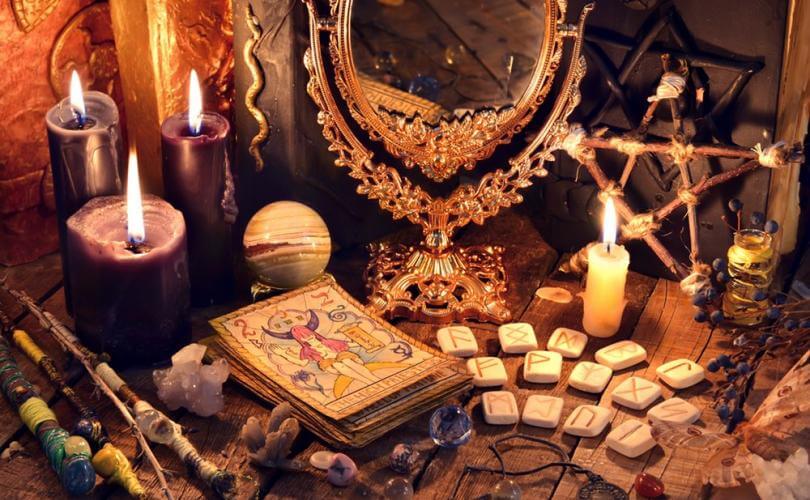
Traditional Indigenous Healing in Mthatha, Eastern Cape

Traditional Indigenous healing is an important part of the cultural heritage of many communities across South Africa. In Mthatha, Eastern Cape, these traditions are connected to Indigenous Knowledge Systems, cultural identity, community practices, medicinal plants, and spiritual beliefs.

Traditional healing is not one single system. Practices differ according to language, community, family traditions, and individual practitioners. Learning about these traditions provides an opportunity to understand the cultural knowledge that has been passed between generations.


What Is Traditional Indigenous Healing?

Traditional Indigenous healing refers to health-related practices and knowledge developed within Indigenous communities over generations.

Depending on the tradition, it may involve:

  • Indigenous medicinal plants
  • Traditional consultations
  • Spiritual practices
  • Cultural ceremonies
  • Ancestral traditions
  • Community support
  • Knowledge passed through mentorship

The meaning and purpose of these practices can differ substantially between communities.


Sangomas and Traditional Healing

Sangomas are among the traditional practitioners associated with Indigenous healing traditions in Southern Africa.

Depending on their cultural background, their roles may include:

  • Traditional consultation
  • Divination
  • Spiritual and cultural guidance
  • Ceremonial practices
  • Preservation of oral traditions
  • Community and cultural education

Beliefs concerning spirituality and ancestral guidance are matters of cultural and religious belief and are not scientifically established supernatural abilities.


Indigenous Medicinal Plants

Traditional plant knowledge is another important aspect of Indigenous healing.

Practitioners may have knowledge about:

  • Roots
  • Leaves
  • Bark
  • Seeds
  • Flowers
  • Indigenous herbs

Knowledge about plants has historically been passed through families and traditional training. However, natural products can have powerful biological effects, and some plants can be poisonous or interact with medicines.


Cultural and Spiritual Practices

Traditional healing may incorporate cultural practices such as:

  • Singing
  • Drumming
  • Dancing
  • Prayer
  • Storytelling
  • Ceremonial gatherings

These practices can have cultural and spiritual significance and may help maintain community identity.


Indigenous Knowledge Systems

Traditional healing forms part of broader Indigenous Knowledge Systems (IKS).

These systems may preserve:

  • Indigenous languages
  • Oral history
  • Traditional customs
  • Plant knowledge
  • Cultural ceremonies
  • Community values
  • Environmental knowledge

Passing knowledge to younger generations helps protect South Africa’s cultural heritage.


Traditional Healing in the Eastern Cape

The Eastern Cape has a rich cultural history and diverse Indigenous traditions. Communities continue to preserve traditional knowledge through family practices, cultural events, mentorship, and community participation.

Mthatha provides an important setting for exploring the relationship between traditional knowledge, cultural identity, and contemporary South African society.


Traditional Healing and Modern Healthcare

Traditional healing and modern healthcare may exist alongside one another. People who use traditional remedies should tell their doctor or pharmacist about them because some herbal products can interact with prescription medicines.

Traditional practices should not replace appropriate medical diagnosis or treatment. Serious symptoms, emergencies, and persistent health problems should be assessed by qualified healthcare professionals.


Preserving Indigenous Healing Knowledge

Traditional knowledge can be preserved through:

  • Recording oral histories
  • Supporting Indigenous languages
  • Cultural education
  • Community mentorship
  • Ethnobotanical research
  • Heritage programmes

Responsible documentation can help protect cultural knowledge while encouraging research into the safety and effectiveness of traditional practices.

Traditional Indigenous healing in Mthatha reflects the cultural diversity and historical knowledge of South African communities. Through medicinal plant knowledge, ceremonies, spiritual traditions, oral history, and community practices, Indigenous healing remains an important subject for cultural education and heritage preservation.

Understanding these traditions respectfully can encourage appreciation of Indigenous Knowledge Systems while recognising the importance of safe, evidence-based healthcare for medical needs.

error: Content is protected !!