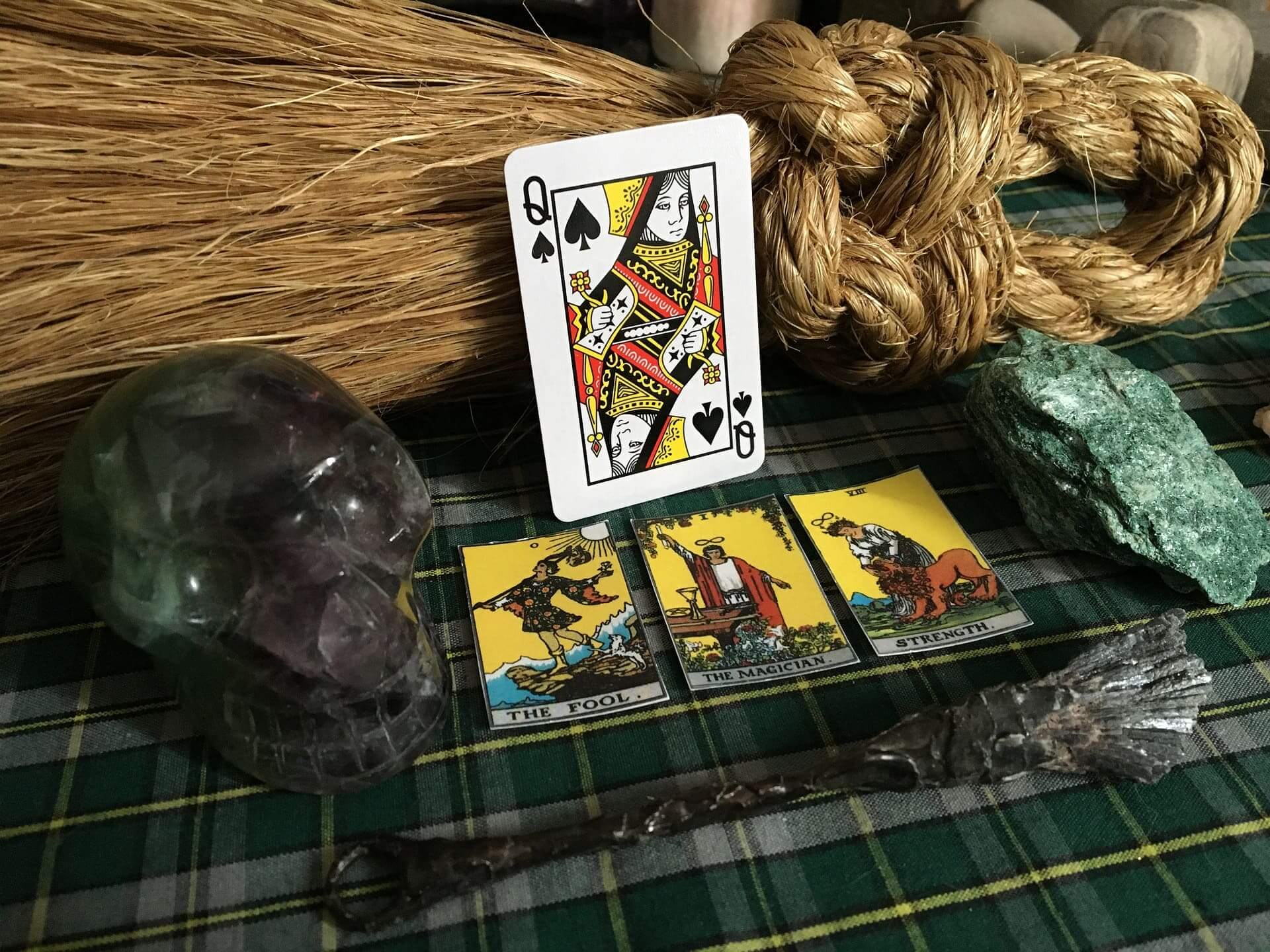
I’m Prof Sibanda, an African Spell Caster and Traditional Healer in Robertson

People in Robertson, Western Cape, may explore African traditional healing and spiritual guidance for a range of personal, family, and relationship concerns. African healing traditions are diverse and deeply connected to the histories, beliefs, and cultural practices of different communities across the continent.

The name Prof Sibanda may be used in content about traditional healing and spiritual services. Anyone seeking a specific practitioner should confirm their identity, background, services, and contact details before arranging a consultation.

Traditional healing can encompass spiritual reflection, cultural practices, herbal knowledge, prayer, and guidance, depending on the practitioner and tradition. For many people, these practices form part of a broader understanding of wellbeing, family, community, and personal meaning.

What Is an African Traditional Healer?

An African traditional healer is a practitioner whose work draws on particular Indigenous African healing traditions. Practices vary considerably between communities and individuals, so there is no single method that represents all African traditional healers.

Some practitioners focus on spiritual guidance and divination, while others have knowledge of traditional plants and their cultural uses. Certain practitioners combine different approaches according to their training and community traditions.

Traditional healing may be sought for:

  • Spiritual reflection and personal guidance
  • Family and relationship concerns
  • Cultural and ancestral traditions
  • Emotional support during difficult life changes
  • Traditional knowledge about plants and wellbeing

The services offered by each practitioner should be explained clearly, including their limitations.

Understanding African Spiritual Practices

African spiritual traditions are not one uniform religion or system. Beliefs and practices differ among communities, including Zulu, Xhosa, Sotho, Tswana, Ndebele, and other cultural groups.

Some traditions recognise ancestral relationships as important to family and community life. Others incorporate prayer, ceremonies, symbolic objects, or divination as part of spiritual practice.

These traditions deserve to be approached respectfully and understood within their cultural context. Terms such as “spell caster” may be used in online searches, but they do not necessarily describe the full scope or meaning of a particular Indigenous tradition.

Traditional Healing and Relationship Challenges

Relationship difficulties can cause significant emotional strain. People may seek spiritual guidance when dealing with heartbreak, separation, marriage disagreements, or uncertainty about the future.

A spiritual consultation may provide an opportunity to reflect on personal choices, family circumstances, and hopes for a healthier relationship.

Practical steps remain important, including honest communication, taking responsibility for mistakes, and respecting personal boundaries. No spell caster or healer can reliably guarantee that a former partner will return, make another person fall in love, or save every marriage.

Healthy reconciliation requires the willingness of both people.

How to Choose a Traditional Healer

If you are considering consulting Prof Sibanda or another traditional healer in Robertson, take time to verify the practitioner and understand the service being offered.

Consider these questions:

  1. Can the practitioner clearly explain their background and approach?
  2. Are consultation fees and additional costs explained in advance?
  3. Are realistic expectations discussed openly?
  4. Is your privacy treated respectfully?
  5. Are you free to decline a service without pressure?
  6. Does the practitioner avoid promises of guaranteed supernatural results?

Be cautious of anyone who threatens you with curses, demands repeated payments to remove supposed spiritual dangers, or claims they can control another person’s choices.

Traditional Herbal Knowledge and Safety

Traditional plant knowledge is an important part of some African healing systems. However, natural products are not automatically safe. Certain herbs can cause side effects, interact with medicines, or be harmful when used incorrectly.

Anyone considering herbal products should ask about ingredients, preparation, dosage, and possible risks. Seek advice from a qualified healthcare professional, particularly if you take medication or have an ongoing health concern.

Traditional spiritual practices should not replace necessary medical assessment or emergency care.

Spiritual Guidance and Personal Wellbeing

People often seek guidance during periods of uncertainty because they want reassurance, direction, or a stronger sense of purpose.

Reflective practices such as prayer, journaling, meditation, and conversations with trusted community members may help some people organise their thoughts and identify constructive next steps.

For serious emotional distress, relationship conflict, or persistent mental health concerns, a qualified professional can provide additional support. Spiritual and cultural practices can remain personally meaningful while people also access appropriate professional care.

Frequently Asked Questions

What does an African traditional healer do?

Depending on their training and tradition, a healer may offer spiritual guidance, cultural practices, divination, or traditional plant knowledge. Services differ between practitioners.

Can a traditional healer solve relationship problems?

A practitioner may offer spiritual or reflective guidance, but no one can guarantee reconciliation. Relationship improvement usually requires communication, mutual respect, and willingness from both partners.

Are African traditional healing practices all the same?

No. African traditions are diverse, with different beliefs, ceremonies, and approaches across communities and regions.

How can I verify a traditional healer?

Ask about their training, cultural or professional affiliations where relevant, services, fees, and limitations. Check claims independently before paying for a consultation.

African traditional healing represents a broad range of cultural and spiritual traditions. For people in Robertson, learning about these practices can be an opportunity to explore cultural heritage, personal reflection, and different approaches to spiritual guidance.

If you are researching Prof Sibanda as a specific practitioner, verify the details of the services offered rather than relying solely on promotional claims. A responsible practitioner should communicate transparently, respect personal choices, and avoid guaranteeing results that cannot be substantiated.

Whether you are seeking cultural knowledge, spiritual reflection, or relationship guidance, prioritise informed decisions, personal safety, and respect for the traditions involved.
Lost Love Spells, Marriage, Traditional Healer and Money Spells in Mossel Bay

People looking for spiritual guidance may search for services connected with lost love, marriage, traditional healing, or money spells. In Mossel Bay and throughout the Western Cape, these interests can overlap with broader traditions of spirituality, prayer, cultural ceremonies, and personal reflection.

Different practitioners follow different traditions, and terms such as “love spell” or “money spell” can have different meanings. These practices are best approached as spiritual or symbolic traditions rather than guaranteed methods for controlling another person’s choices or producing instant financial results.

Lost Love Spells in Mossel Bay

A breakup can leave someone hoping to restore an important relationship. Lost love spells are commonly described as rituals focused on reconciliation, renewed communication, or romantic intentions.

A responsible approach focuses on questions such as:

  • What caused the relationship to end?
  • Is reconciliation healthy for both people?
  • Does the other person want to reconnect?
  • What would need to change?
  • Can trust be rebuilt?

No ritual can reliably force another person to return. Genuine reconciliation requires mutual willingness.

Marriage and Love Rituals

Some people interested in spiritual services may be looking for marriage-related rituals or guidance about finding a long-term partner.

A symbolic marriage or love ritual can be used to express intentions concerning commitment, loyalty, communication, and partnership.

However, a healthy marriage depends on real-world foundations including:

  • Mutual respect
  • Honest communication
  • Trust
  • Shared goals
  • Financial responsibility
  • Emotional support
  • Commitment from both partners

Spiritual practices can be meaningful to individuals, but they cannot substitute for these foundations.

Traditional Healers in Mossel Bay

Traditional healing in South Africa includes diverse Indigenous Knowledge Systems. Practitioners may have different roles depending on their cultural traditions and training.

Some traditional healers are associated with spiritual consultation and divination, while others have knowledge of traditional medicines and plants.

Anyone considering a traditional healer should ask about the practitioner’s specific tradition and understand what the consultation or ceremony involves.

Money Spells and Prosperity Rituals

Money spells are often marketed as rituals intended to attract financial opportunities, prosperity, or abundance.

People may use symbolic practices to focus their attention on financial goals. For example, a person might write down savings objectives, reflect on spending habits, or use prayer according to their personal beliefs.

There is no reliable evidence that a spell can guarantee money or instantly change someone’s financial circumstances.

Practical financial planning remains important.

Combining Spiritual Reflection With Practical Action

A spiritual ritual can sometimes serve as a reminder to focus on personal goals.

For relationships, practical action may include communicating honestly and working on emotional skills.

For finances, practical action may involve:

  • Creating a budget
  • Reducing unnecessary expenses
  • Building savings
  • Developing useful skills
  • Looking for legitimate employment or business opportunities
  • Seeking qualified financial guidance when appropriate

Spiritual reflection and practical planning can serve different purposes.

Choosing a Traditional Spiritual Practitioner

If you are searching for a traditional healer or spiritual practitioner in Mossel Bay, consider the following questions:

  1. What cultural or spiritual tradition does the practitioner follow?
  2. What services are offered?
  3. What are the complete costs?
  4. Are additional payments required?
  5. Are guaranteed results being promised?
  6. Are herbs or other substances involved?
  7. Does the practitioner respect personal boundaries?

Clear information can help you make a more informed choice.

Beware of Guaranteed Results

Be cautious when a practitioner promises that a particular person will return, a marriage will happen by a certain date, or money will appear immediately after a ritual.

Claims involving curses, spiritual threats, or demands for increasingly large payments should also be treated with caution.

No responsible service should pressure someone into spending money through fear or promises of certainty.

Love, Marriage and Personal Growth

Whether someone is hoping to recover lost love or prepare for marriage, personal growth remains important.

Consider developing:

  • Emotional awareness
  • Communication skills
  • Self-confidence
  • Healthy boundaries
  • Financial responsibility
  • Respect for other people’s choices

These qualities can contribute to healthier relationships regardless of whether someone also participates in spiritual practices.

Respecting Cultural Traditions

Traditional healing should not be treated as a single uniform practice. South Africa contains many cultural traditions, each with its own beliefs, ceremonies, terminology, and forms of knowledge.

Learning about the specific cultural background of a practice can help people approach traditional healing respectfully and avoid confusing it with generalized online descriptions of magic.

Lost love spells, marriage rituals, traditional healing, and money spells in Mossel Bay represent different areas of spiritual interest. People may explore them for relationship reflection, cultural reasons, personal encouragement, or hopes for prosperity.

However, rituals should not be presented as guaranteed ways to control another person’s emotions, secure a marriage, or produce instant wealth.

A balanced approach combines respect for spiritual and cultural traditions with practical action, informed decision-making, mutual consent, and realistic expectations.

Traditional Healer, Psychic, Herbalist and Love Spell Caster in Sedgefield

Sedgefield is a coastal town in the Western Cape known for its natural surroundings, community atmosphere, and connection to the Garden Route. People interested in spirituality, traditional healing, herbal knowledge, or relationship guidance may encounter different types of practitioners offering services described as traditional healing, psychic readings, herbalism, or love spell casting.

These terms can represent very different practices. A traditional healer may work within a particular cultural tradition, while a psychic may offer spiritual readings and an herbalist may focus on knowledge of plants and natural products.

Love spell services are often presented as spiritual rituals connected with romantic intentions. They should be approached responsibly and should never be presented as a guaranteed way to control another person’s feelings.

What Does a Traditional Healer Do?

Traditional healers in South Africa represent diverse cultural and Indigenous Knowledge Systems. Their practices can vary according to community, training, and individual tradition.

Some practitioners may focus on spiritual consultation or divination, while others are associated with traditional medicines and plant knowledge.

Anyone considering traditional healing should first understand what type of service is being offered and what cultural tradition it comes from.

Psychic Readings in Sedgefield

A psychic reading is generally presented as a spiritual consultation concerning areas such as relationships, personal circumstances, or future possibilities.

People may seek a reading when they are experiencing uncertainty or looking for a different perspective.

A responsible reading should be understood as a spiritual or reflective experience rather than a guaranteed prediction. Important life decisions should be based on evidence, personal judgment, and appropriate professional advice where necessary.

The Role of an Herbalist

Herbalists work with knowledge about plants and their traditional uses. In African traditional medicine, knowledge of roots, leaves, bark, and other plant materials has been passed through generations in different communities.

However, “natural” does not automatically mean safe. Some plants can be toxic, interact with prescription medicines, or cause serious side effects.

Anyone considering herbal products should know what ingredients are being used and seek qualified medical advice when treating a health condition.

Love Spell Casting

Love spell casting is a broad term used to describe rituals associated with romantic intentions. Depending on the practitioner, a ritual may involve prayer, candles, written intentions, meditation, symbolic objects, or culturally specific ceremonies.

People may seek love rituals to:

  • Become more confident in relationships
  • Heal after heartbreak
  • Attract a compatible partner
  • Reflect on romantic goals
  • Improve communication
  • Mark a new beginning

These practices can be meaningful as personal or cultural rituals without claiming guaranteed supernatural results.

Love Spells and Free Choice

A healthy relationship requires mutual interest and consent.

There is no reliable scientific evidence that a love spell can force someone to fall in love, return to a relationship, or remain with a particular person.

Anyone offering a love-related spiritual service should respect the independence and choices of everyone involved.

Choosing a Spiritual Practitioner

If you are researching traditional healers, psychics, herbalists, or love spell casters in Sedgefield, consider asking a few basic questions:

  1. What tradition does the practitioner follow?
  2. What exactly does the service include?
  3. What are the costs?
  4. Are there additional charges?
  5. Are results being guaranteed?
  6. Are herbs or other substances involved?
  7. Does the practitioner respect personal boundaries?

Clear information can help you make a more informed decision.

Avoiding Misleading Claims

Be cautious about practitioners who promise instant results or guaranteed outcomes.

Claims that an ex-partner will return within a fixed number of hours, that a spell can permanently control another person’s behaviour, or that a curse will occur unless additional money is paid should be treated as serious warning signs.

Spiritual services should not create fear or financial dependence.

Spiritual Healing and Relationships

Relationship difficulties can involve complicated emotions. Spiritual reflection may provide one way for someone to think about their experiences, but practical relationship skills remain important.

These include:

  • Honest communication
  • Listening
  • Emotional boundaries
  • Mutual respect
  • Accountability
  • Understanding compatibility

When a relationship involves abuse, threats, or serious safety concerns, practical professional support should take priority over spiritual services.

Exploring Traditional and Spiritual Practices Responsibly

Sedgefield’s location within the Garden Route makes it part of a region with diverse communities and cultural influences. People interested in traditional healing should take time to learn about the history and context of the practice they are considering.

Traditional healing, herbalism, psychic readings, and love rituals should not all be treated as the same thing. Each has its own terminology, cultural context, and expectations.

Traditional healer, psychic, herbalist, and love spell caster services in Sedgefield represent several different approaches to spirituality, traditional knowledge, and relationship guidance.

Anyone exploring these services should research the practitioner carefully, understand what is being offered, and be cautious of guarantees or pressure tactics.

Love and relationships are healthiest when they are built through mutual choice, communication, trust, and respect, while traditional and spiritual practices can be approached as cultural or personal forms of reflection.

Spiritual Healing and Love Spell Casting in Paarl

Paarl is a historic town in the Western Cape with a diverse cultural and spiritual landscape. People seeking guidance about relationships, personal challenges, and emotional wellbeing may encounter different forms of spiritual practice, including traditional healing, prayer, rituals, and practices sometimes described as love spell casting.

These practices can mean different things to different people. Some approach them as cultural traditions, while others use rituals as a way to reflect on their intentions, emotions, and relationships.

A responsible approach is to respect cultural beliefs while recognizing that no spiritual ritual can reliably guarantee that another person will develop romantic feelings.

What Is Spiritual Healing?

Spiritual healing can refer to practices intended to support a person’s sense of emotional, spiritual, or personal wellbeing. Depending on the tradition, this may involve prayer, meditation, cleansing ceremonies, consultation, symbolic rituals, or traditional healing practices.

Traditional healing in South Africa encompasses different Indigenous Knowledge Systems, and practices can vary considerably between cultural communities and individual practitioners.

For some people, spiritual healing provides an opportunity to reflect on personal circumstances, family relationships, life challenges, and hopes for the future.

Understanding Love Spell Casting

Love spell casting generally describes rituals or spiritual practices associated with romantic intentions. A practitioner may use symbolic objects, prayers, written intentions, candles, or culturally specific ceremonies.

People may seek these services because they want to:

  • Find a meaningful relationship
  • Improve their confidence
  • Heal from heartbreak
  • Reflect on relationship goals
  • Encourage positive communication
  • Create a stronger sense of emotional clarity

Rather than presenting these rituals as guaranteed supernatural solutions, they can be understood as symbolic or spiritual practices.

Love and Personal Intention

A person’s intentions can influence how they approach relationships. Writing down the qualities they value in a partner, reflecting on past experiences, or using prayer according to their beliefs may help them become clearer about what they want.

However, spiritual practices should not be used to justify controlling another person’s decisions.

Healthy relationships require mutual interest, communication, respect, and consent.

Traditional Spiritual Healers in Paarl

Traditional spiritual healers may work within specific cultural traditions and can have different areas of practice. Some practitioners may focus on spiritual consultation or divination, while others have knowledge of traditional medicines and plants.

Anyone considering a consultation should ask about the practitioner’s tradition, the purpose of the service, the cost, and what the ceremony involves.

It is also important to distinguish cultural and spiritual guidance from professional medical or psychological treatment.

Spiritual Healing After Heartbreak

Heartbreak can affect confidence, emotions, and everyday life. Some people turn to spiritual practices as part of their process of moving forward.

A reflective ritual might encourage someone to think about:

  • What they learned from the relationship
  • Which patterns they want to change
  • What qualities they value in future relationships
  • How they can establish healthier boundaries
  • How they can rebuild confidence

These steps can complement practical actions such as communication, counselling, social connection, and personal development.

Avoiding Harmful Love Spell Claims

People searching for spiritual services should be cautious about unrealistic promises.

Warning signs can include claims that a practitioner can guarantee a person will return within a specific number of hours, demands for increasingly large payments, threats involving curses, or pressure to continue purchasing rituals.

No responsible spiritual practice should require someone to surrender control over their finances, safety, or personal decisions.

Respecting Cultural Traditions

African spiritual and traditional healing practices are diverse. There is no single ritual or belief that represents every community or traditional healer in South Africa.

Practices involving ancestors, ceremonies, traditional medicines, divination, or relationship rituals should be understood within their particular cultural context.

Respectful learning helps prevent traditional practices from being reduced to stereotypes or exaggerated claims.

Spiritual Practices and Modern Life

People in Paarl and other South African communities may combine cultural traditions with modern approaches to personal wellbeing.

Someone may participate in a spiritual ceremony while also seeking relationship counselling, speaking openly with a partner, or consulting a healthcare professional when appropriate.

These approaches can serve different purposes and should not be confused with one another.

Spiritual healing and love spell casting in Paarl can be explored as part of broader conversations about culture, spirituality, relationships, and personal reflection.

For anyone interested in these practices, the most constructive approach is to focus on personal growth and healthy relationships rather than attempting to control another person’s feelings.

Love is strongest when it is based on mutual choice, trust, communication, and respect.

Indigenous Medicine and Traditional Healing in Vereeniging

Indigenous medicine and traditional healing have been part of African societies for centuries, preserving valuable knowledge about culture, history, and community life. In Vereeniging, many people continue to explore Indigenous healing traditions as an important aspect of South Africa’s cultural heritage. These traditions reflect generations of Indigenous Knowledge Systems that have been carefully passed from one generation to the next.

Indigenous medicine is not a single system used uniformly across Africa. Different communities have developed their own approaches based on local customs, languages, environments, and cultural values. While many people value these traditions, it is important to seek diagnosis and treatment from qualified healthcare professionals for illnesses and to discuss any traditional remedies with a healthcare provider to reduce the risk of harmful interactions.


What Is Indigenous Medicine?

Indigenous medicine refers to health-related knowledge and practices that have developed within Indigenous communities over many generations.

These traditions often include:

  • Indigenous Knowledge Systems (IKS)
  • Traditional healing practices
  • Oral traditions
  • Community support
  • Cultural education
  • Holistic perspectives on well-being

Practices vary across South Africa’s diverse cultural and linguistic communities.


Understanding Traditional Healing

Traditional healing is closely connected with African cultural heritage and community life.

Traditional healers may contribute by:

  • Preserving Indigenous knowledge
  • Participating in cultural ceremonies
  • Supporting community traditions
  • Teaching cultural values
  • Encouraging respect for heritage

Their specific roles differ depending on local customs and cultural backgrounds.


Indigenous Knowledge Systems

One of the foundations of Indigenous medicine is the preservation of Indigenous Knowledge Systems.

This knowledge may include:

  • Traditional customs
  • Oral history
  • Indigenous languages
  • Community values
  • Cultural ceremonies
  • Environmental knowledge

Passing this information to younger generations helps preserve South Africa’s cultural diversity.


A Holistic Perspective on Well-Being

Many Indigenous traditions understand well-being as involving several interconnected aspects of life.

These include:

Physical Health

Supporting healthy lifestyles and appropriate medical care.

Emotional Well-Being

Encouraging resilience, healthy relationships, and emotional balance.

Social Connections

Strengthening family, community, and cultural relationships.

Cultural Identity

Maintaining a strong connection with language, customs, and heritage.

This holistic perspective remains central to many Indigenous traditions.


Community and Cultural Heritage

Traditional healing contributes to community life by helping preserve:

  • Indigenous customs
  • Cultural celebrations
  • Family traditions
  • Oral history
  • African heritage

These traditions strengthen community identity and encourage cultural continuity.


Indigenous Medicine and Modern Healthcare

Many South Africans choose to engage with both Indigenous traditions and modern healthcare.

For safe healthcare decisions, it is recommended to:

  • Seek professional medical care for serious illness, injuries, or emergencies.
  • Follow treatment plans provided by qualified healthcare professionals.
  • Tell healthcare providers about any traditional remedies or supplements being used.
  • Use cultural practices in ways that complement evidence-based healthcare where appropriate.

This approach supports both cultural respect and patient safety.


Why Indigenous Medicine Remains Important

Indigenous medicine continues to be valued because it helps:

  • Preserve Indigenous Knowledge Systems
  • Protect African cultural heritage
  • Strengthen community identity
  • Encourage cultural education
  • Maintain oral traditions

Its significance extends beyond healthcare and contributes to preserving South Africa’s history and cultural diversity.


Looking Ahead

Research, education, and community initiatives continue to document and preserve Indigenous knowledge. Respectful collaboration between communities, traditional practitioners, researchers, and healthcare professionals can help protect cultural heritage while supporting safe, informed healthcare choices.


Indigenous medicine and traditional healing in Vereeniging represent an important part of South Africa’s rich cultural heritage. Through Indigenous Knowledge Systems, oral traditions, cultural education, and community values, these traditions continue to shape the lives of many people across the country.

Understanding Indigenous medicine encourages appreciation for South Africa’s diverse cultures while reinforcing the importance of evidence-based medical care and informed decision-making for health concerns.

Types of Traditional Healers in Boksburg North

Traditional healers have played an important role in South African communities for generations. In Boksburg North, many people are interested in learning about the different types of traditional healers and the important cultural roles they play in preserving indigenous knowledge and African heritage. Traditional healing remains an essential part of the country’s diverse cultural landscape and continues to be respected by many communities.

Different traditional healers often specialize in different areas of knowledge, with their roles shaped by community customs, cultural traditions, and years of learning through mentorship.

Sangomas

A sangoma is one of the best-known traditional healers in Southern Africa. Sangomas are respected for their knowledge of indigenous traditions, cultural practices, and community guidance.

Their role may include:

  • Traditional consultations
  • Cultural guidance
  • Participation in traditional ceremonies
  • Preserving indigenous knowledge
  • Supporting community traditions

Training usually takes place under the guidance of experienced traditional practitioners and follows the customs of the local community.

Inyangas

An inyanga is traditionally known for extensive knowledge of indigenous medicinal plants and herbal preparations.

Their work often includes:

  • Knowledge of medicinal plants
  • Traditional herbal preparations
  • Indigenous botanical knowledge
  • Preservation of natural remedies
  • Community education

The exact role of an inyanga varies between communities and cultural traditions.

Traditional Herbal Practitioners

Traditional herbal practitioners focus on the study and preservation of indigenous plants that have cultural and historical significance.

Their knowledge includes:

  • Plant identification
  • Indigenous botanical traditions
  • Sustainable harvesting practices
  • Community education
  • Preservation of traditional knowledge

Their work contributes to protecting valuable indigenous heritage.

Indigenous Cultural Practitioners

Some traditional practitioners focus primarily on preserving cultural customs and community traditions.

Their responsibilities may include:

  • Cultural education
  • Community ceremonies
  • Heritage preservation
  • Traditional leadership
  • Indigenous knowledge sharing

These practitioners help maintain important African customs for future generations.

Traditional Learning and Mentorship

Traditional healing knowledge is commonly passed through mentorship and practical experience.

Training often involves:

Cultural Education

Learning customs, traditions, and community responsibilities.

Mentorship

Receiving guidance from experienced traditional healers.

Community Participation

Taking part in traditional ceremonies and cultural events.

Indigenous Knowledge

Studying African history, customs, and local traditions.

Training methods differ according to cultural groups and regional customs.

Preserving Indigenous Heritage

Traditional healers help preserve:

  • African cultural identity
  • Indigenous knowledge
  • Community traditions
  • Oral history
  • Cultural values

Their work contributes to safeguarding South Africa’s diverse cultural heritage.

Traditional Healing in Modern South Africa

Many South Africans value both traditional cultural practices and modern healthcare.

People often appreciate:

  • Professional healthcare services
  • Traditional healing practices
  • Cultural education
  • Community support
  • Indigenous heritage

Traditional healing continues to be an important part of South Africa’s multicultural society.

The different types of traditional healers in Boksburg North each contribute to preserving South Africa’s rich indigenous knowledge and cultural traditions. Whether through cultural guidance, herbal knowledge, community education, or heritage preservation, traditional healers continue to play an important role in many communities.

Learning about these different roles helps promote respect for African traditions and encourages appreciation for the diverse cultural heritage that continues to shape South African society.

error: Content is protected !!