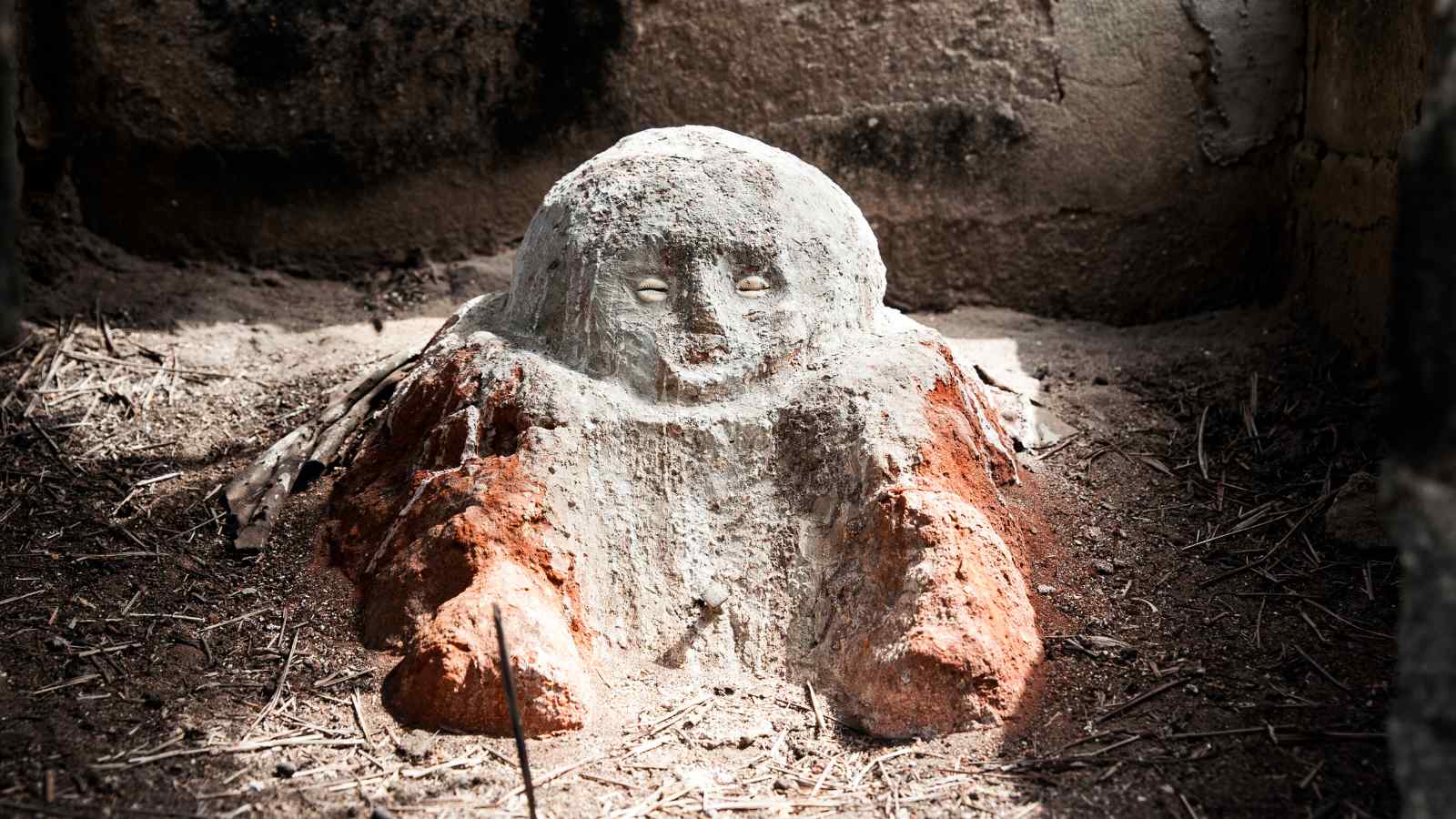
Are Isangomas Spiritual Healers?
Yes. Isangomas are traditionally understood as spiritual healers within several Southern African Indigenous traditions. South African History Online describes isangomas as spiritual healers who diagnose illness and consider a person’s physical, social, family, and environmental circumstances.
In Polokwane, Limpopo, understanding the role of an isangoma requires looking at traditional beliefs within their cultural context. Practices and beliefs vary between communities, so there is no single method followed by every sangoma.
What Is an Isangoma?
An isangoma, commonly called a sangoma, is a traditional practitioner associated with spiritual healing, divination, cultural traditions, and Indigenous Knowledge Systems.
According to South African History Online, sangomas may approach illness holistically, considering not only physical symptoms but also social and environmental circumstances.
Their traditional roles can include:
- Spiritual consultation
- Divination
- Traditional healing
- Cultural ceremonies
- Ancestral observances
- Preservation of Indigenous knowledge
Spiritual Healing and Ancestral Beliefs
An important part of many sangoma traditions is the belief that ancestors can provide guidance.
Within these traditions, a sangoma may understand their calling and abilities through an ancestral framework. South African History Online describes traditional practitioners as believing that they may be called by their ancestors and undergo demanding training before practicing.
These are spiritual and cultural beliefs, rather than claims that have been scientifically established.
Divination and Traditional Consultation
Divination is another important aspect associated with some sangoma traditions.
Traditional consultations can involve asking questions about a person’s circumstances and, in some traditions, bone casting. The objects used in divination can include bones, stones, shells, or other culturally meaningful objects.
The interpretation of these objects depends on the practitioner’s cultural tradition and training.
Healing Ceremonies
Some sangoma traditions incorporate ceremonial activities such as:
- Singing
- Dancing
- Drumming
- Traditional clothing
- Beads
- Prayers or spiritual observances
South African History Online describes singing, dancing, and drumming as activities that may form part of traditional healing rituals.
The specific ceremonies vary between communities.
The Holistic Approach
Traditional sangoma practices may view a person as part of a wider family and community rather than as an isolated individual.
This can mean considering:
- Physical symptoms
- Family relationships
- Work and social circumstances
- Emotional difficulties
- Cultural traditions
- Spiritual beliefs
This approach is often described as holistic, because it considers multiple dimensions of a person’s life.
How Does Someone Become a Sangoma?
Traditional accounts describe sangoma training as a serious and demanding process.
Training can involve:
- Mentorship
- Cultural education
- Traditional ceremonies
- Learning Indigenous practices
- Cleansing rituals
- Community responsibilities
South African History Online notes that traditional practitioners describe being called to the role through experiences interpreted within their ancestral belief systems, followed by traditional training.
Is Spiritual Healing Scientifically Proven?
It is important to distinguish cultural belief from scientific evidence.
Ancestral communication, spiritual powers, and supernatural explanations for illness are matters of spiritual belief and tradition. They have not been established as scientific facts.
At the same time, the cultural significance of sangomas is real and important to many South African communities.
Spiritual Healing and Modern Healthcare
Traditional spiritual practices can coexist with modern healthcare, but they should not replace appropriate medical diagnosis or treatment.
People using traditional remedies should tell their doctor or pharmacist about them because some plants and preparations can interact with medicines.
Serious illness, emergencies, or persistent symptoms should be assessed by qualified healthcare professionals.
Indigenous Knowledge and Cultural Heritage
Sangomas form part of South Africa’s broader Indigenous Knowledge Systems. Their traditions contribute to preserving:
- Oral history
- Cultural ceremonies
- Indigenous beliefs
- Traditional knowledge
- Community customs
- African heritage
Learning about these traditions can help preserve cultural knowledge for future generations.
Isangomas are traditionally regarded as spiritual healers, particularly within Indigenous Southern African traditions. Their roles may involve spiritual consultation, divination, traditional healing, ancestral beliefs, ceremonies, and the preservation of cultural knowledge.
In Polokwane, learning about isangomas provides an opportunity to understand Limpopo’s diverse cultural heritage and the continuing importance of Indigenous Knowledge Systems. Their spiritual practices should be understood respectfully as cultural and religious traditions while medical conditions continue to receive appropriate evidence-based healthcare.
