A Sangoma Is an African Traditional Healer in Gqeberha

A sangoma is an African traditional healer whose role is rooted in Indigenous cultural and spiritual traditions of Southern Africa. In Gqeberha, Eastern Cape, sangomas form part of the broader cultural landscape of traditional healing and Indigenous Knowledge Systems.

The term sangoma is commonly associated with practitioners who perform divination and provide traditional or spiritual guidance. However, practices and beliefs differ among communities, and not every traditional healer performs exactly the same role.


What Does a Sangoma Do?

The responsibilities of a sangoma can vary according to cultural tradition and individual training.

Traditional activities may include:

  • Divination
  • Spiritual consultation
  • Traditional ceremonies
  • Ancestral observances
  • Cultural guidance
  • Preservation of Indigenous knowledge

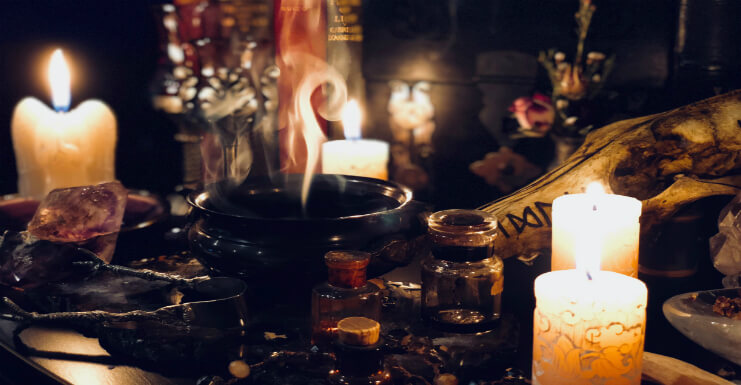
Some traditions use bones, shells, stones, or other culturally significant objects during divination. Their interpretation is based on traditional training and belief systems.


Sangomas and Ancestral Traditions

Ancestral beliefs are an important part of some sangoma traditions.

Within these belief systems, ancestors may be understood as connected to family identity, cultural continuity, and spiritual guidance. Ceremonies and family traditions can provide ways of honouring previous generations.

These are religious and cultural beliefs, and claims about supernatural communication should be distinguished from scientifically established facts.


How Does Someone Become a Sangoma?

Traditional training can involve a lengthy process of mentorship and cultural education.

Depending on the tradition, training may include:

  • Learning cultural customs
  • Studying traditional practices
  • Participating in ceremonies
  • Learning about Indigenous medicines
  • Understanding community responsibilities
  • Receiving guidance from experienced practitioners

The process differs among communities and should not be assumed to follow one universal model.


Sangoma and Inyanga: What Is the Difference?

Sangomas and inyangas are both commonly discussed within South African traditional healing, but their traditional roles are often different.

Sangomas are particularly associated with divination and spiritual or cultural consultation.

Inyangas are more commonly associated with knowledge of medicinal plants and traditional preparations.

There can nevertheless be overlap between these roles depending on the practitioner and cultural context.


Indigenous Knowledge Systems

Sangoma traditions form part of broader Indigenous Knowledge Systems that preserve generations of cultural knowledge.

This may include:

  • Oral history
  • Indigenous languages
  • Traditional ceremonies
  • Plant knowledge
  • Cultural values
  • Community traditions

Preserving this knowledge contributes to South Africa’s cultural heritage.


Traditional Healing in Gqeberha

Gqeberha is part of the culturally diverse Eastern Cape, where Indigenous traditions continue to contribute to community identity.

Learning about traditional healers can help people understand:

  • Eastern Cape cultural heritage
  • Indigenous spirituality
  • Traditional medicine
  • Family traditions
  • Community customs

These practices vary considerably between communities and individuals.


Traditional Healing and Modern Healthcare

Traditional healing and modern healthcare can exist alongside one another, but traditional remedies should not automatically be considered safe simply because they are natural.

Some herbal substances can interact with prescription medicines or cause harmful effects. People using traditional remedies should inform their healthcare provider.

For serious illness, emergencies, pregnancy complications, or persistent symptoms, qualified healthcare professionals should be consulted.


A sangoma is an African traditional healer whose role is deeply connected with the cultural and spiritual traditions of several Southern African communities. Sangomas may be associated with divination, ancestral traditions, ceremonies, spiritual consultation, and Indigenous Knowledge Systems.

In Gqeberha, learning about sangomas offers a way to understand the Eastern Cape’s cultural heritage while recognising the diversity of traditional healing practices across South Africa.

Traditional Health Practitioners Association South Africa in Daveyton

Traditional health practitioners play an important role in preserving South Africa’s indigenous knowledge, cultural heritage, and traditional healing practices. In Daveyton, Gauteng, many people seek information about Traditional Health Practitioners Associations in South Africa and how these organizations contribute to the recognition and development of the profession.

Professional associations help support traditional health practitioners by encouraging ethical practice, professional development, cultural preservation, and public awareness. They also provide a platform for practitioners to engage with one another and stay informed about developments affecting the profession.

What Is a Traditional Health Practitioners Association?

A Traditional Health Practitioners Association is an organization that represents the interests of traditional health practitioners and supports the growth of the profession.

Depending on the association, its activities may include:

  • Promoting ethical standards
  • Supporting practitioner development
  • Providing educational opportunities
  • Preserving indigenous knowledge
  • Encouraging professional collaboration
  • Promoting cultural heritage

Different associations may have different membership requirements and objectives.

The Role of Professional Associations

Traditional health practitioner associations contribute to the profession by helping to:

  • Promote professional conduct
  • Encourage continuing education
  • Support indigenous knowledge systems
  • Preserve African cultural traditions
  • Raise public awareness
  • Foster collaboration among practitioners

These activities help strengthen the profession while preserving South Africa’s cultural heritage.

Traditional Health Practitioners in South Africa

Traditional health practitioners include a variety of practitioners whose roles differ according to cultural traditions and areas of expertise.

These may include:

  • Sangomas
  • Inyangas
  • Traditional herbal practitioners
  • Indigenous cultural practitioners

Their practices and responsibilities vary across communities throughout South Africa.

Traditional Healing and South African Law

South Africa has legislation that provides a framework for the recognition and regulation of traditional health practitioners. Practitioners should be aware of the applicable legal and professional requirements, and members of the public are encouraged to verify a practitioner’s standing where appropriate.

Preserving Indigenous Knowledge

One of the important goals of professional associations is to help preserve indigenous knowledge by encouraging:

  • Cultural education
  • Heritage preservation
  • Knowledge sharing
  • Community engagement
  • Responsible documentation of traditional practices

These efforts help ensure that valuable traditions continue to benefit future generations.

Community Education

Professional associations often support public awareness through:

  • Educational workshops
  • Community outreach
  • Cultural awareness programmes
  • Professional networking
  • Heritage events

These initiatives encourage greater understanding of traditional healing within South Africa’s diverse communities.

Choosing a Traditional Health Practitioner

If you are considering consulting a traditional health practitioner, it is advisable to:

  • Ask about their qualifications and experience.
  • Check whether they belong to a recognised professional association where applicable.
  • Ensure they clearly explain their services and fees.
  • Choose a practitioner who communicates respectfully and ethically.
  • Continue to seek appropriate medical care for medical conditions when needed.

Traditional Health Practitioners Associations in Daveyton and across South Africa contribute to strengthening the profession by promoting ethical practice, supporting professional development, and preserving indigenous knowledge. Through education, collaboration, and cultural stewardship, these organizations help ensure that traditional healing remains an important part of South Africa’s rich cultural heritage while supporting high professional standards.

error: Content is protected !!