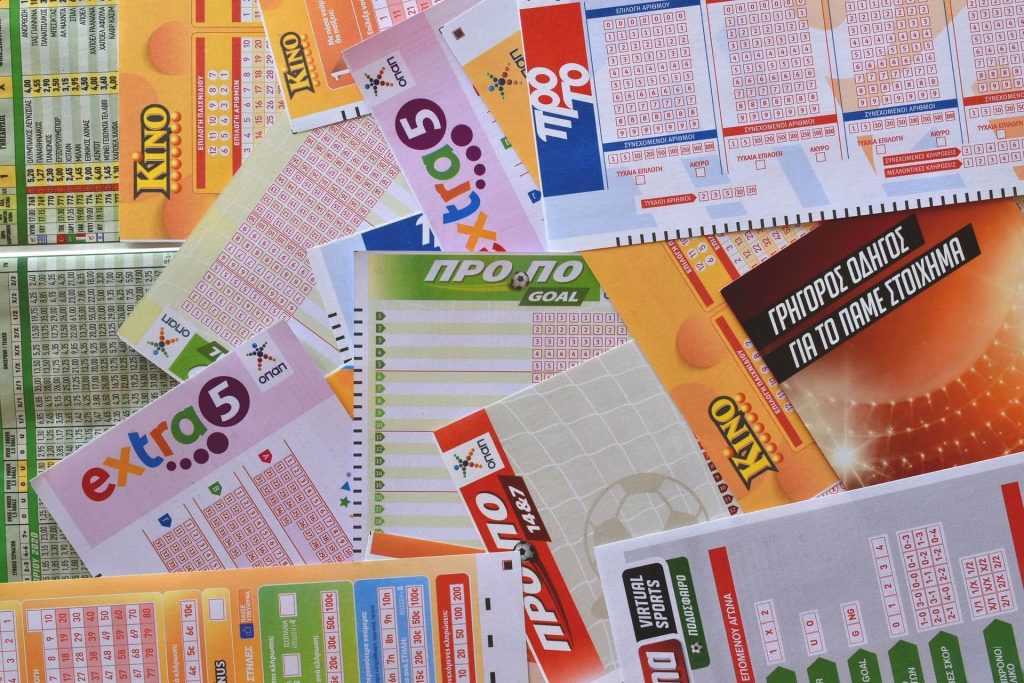
Lotto spells are a topic many people search for when hoping to improve their luck or change their financial situation. Across the world, including the USA, Australia, and South Africa, lotto spells are commonly discussed as belief-based practices rather than guaranteed ways to win money.
Lotto spells are generally described as symbolic or spiritual rituals meant to align a person with positive energy, abundance, or opportunity. In most traditions, these practices focus on intention, mindset, and hope, not on controlling random outcomes like lottery numbers.
Historically, beliefs about luck and prosperity existed long before modern lotteries. People used prayers, rituals, or symbolic actions to seek blessings, protection, or guidance. Over time, these ideas became linked to modern games of chance, including lotteries.
In today’s discussions, lotto spells are often reframed as tools for emotional focus. Many people believe that setting clear intentions and maintaining a positive mindset can help reduce stress, improve confidence, and encourage better financial decisions. From a psychological perspective, this sense of optimism can influence behavior, even though lottery outcomes remain random.
It is important to understand that lotto spells do not replace financial planning or responsible gambling. Ethical discussions around lotto spells emphasize moderation, self-control, and realistic expectations. Wealth and stability are best built through effort, planning, and opportunity.
Lotto spells remain popular because they reflect a universal human desire: hope for a better future.
Cultural Beliefs and Prosperity
In South Africa, beliefs about luck and wealth are often closely connected to culture, spirituality, and ancestral traditions. Lotto spells are sometimes discussed within this broader framework of spiritual balance and harmony.
Traditional African beliefs emphasize that prosperity flows when a person lives in alignment with their ancestors, family, and community. Wealth is often seen as something that should benefit not only the individual, but also loved ones. Because of this, many elders caution against obsession with quick money.
When lotto spells are mentioned in South Africa, they are often symbolic practices meant to seek guidance, clarity, or blessings rather than instant riches. These practices may involve reflection, prayer, or cleansing rituals focused on restoring balance in one’s life.
Many South Africans believe that luck improves when a person respects their responsibilities, maintains good relationships, and avoids harmful behavior. From this perspective, wealth gained without balance may bring problems rather than happiness.
Modern discussions around lotto spells in South Africa often combine traditional beliefs with practical advice, encouraging people to remain grounded and responsible.
Ultimately, prosperity is viewed as something that should come with gratitude, humility, and purpose.
The desire for financial freedom is universal. Across cultures and generations, people have searched for ways to improve their luck, attract prosperity, and change their financial circumstances. One topic that continues to trend online is “lotto spells.”
In the United States, Australia, and South Africa, searches for lotto spells increase during times of economic pressure, job uncertainty, and rising living costs. This page explores lotto spells as belief-based and cultural practices, explaining what people mean by them, where these beliefs come from, and how they are discussed ethically and responsibly today.
This article is informational only. It does not guarantee financial outcomes, predict lottery results, or promote gambling dependency.
Understanding the Idea of “Lotto Spells”
Lotto spells are commonly described as spiritual or symbolic practices believed to help improve luck, attract financial opportunity, or align a person with prosperity. They are often associated with:
Intention-setting
Symbolic rituals
Belief in energy or spiritual alignment
Hope for positive financial change
In modern discussions, lotto spells are rarely framed as guaranteed methods to win the lottery. Instead, they are often presented as mindset and intention practices related to abundance.
Why People Search for Lotto Spells
People searching for lotto spells are usually motivated by more than just money.
Common reasons include:
Financial stress
Desire for stability
Hope for life-changing opportunity
Feeling stuck in financial patterns
These searches often reflect emotional and psychological needs rather than belief in literal magic.
Cultural Origins of Lotto Spells and Luck Beliefs
African Spiritual Beliefs (South Africa)
In South Africa, beliefs about luck and prosperity are often linked to:
Ancestral blessings
Spiritual balance
Respect for cultural rituals
Traditional beliefs teach that wealth flows when:
A person is aligned with ancestors
There is harmony in personal life
Actions are ethical and respectful
In this context, lotto-related rituals are often symbolic acts meant to seek guidance or alignment, not shortcuts to wealth.
Western Beliefs About Luck (USA & Australia)
In the USA and Australia, lotto spells are often discussed within:
Manifestation culture
Law of attraction philosophy
Positive thinking practices
Here, lotto spells are commonly reframed as:
Visualization exercises
Affirmations about abundance
Mindset shifts toward opportunity
Many people combine these beliefs with practical financial planning.
What Does “Winning” Mean Spiritually?
In spiritual discussions, “winning” does not always mean a jackpot.
People often describe success as:
Improved financial discipline
New opportunities appearing
Increased confidence around money
Reduced fear of financial failure
This highlights the psychological impact of belief systems around prosperity.
Common Types of Lotto Spells (Belief-Based)
1. Intention-Based Prosperity Rituals
These focus on aligning thoughts with abundance and reducing fear around money.
2. Written Abundance Practices
Writing financial goals or intentions is often described as a spell but functions as focus and planning.
3. Spoken Affirmations
Positive statements used to reinforce confidence and motivation.
4. Symbolic Actions
Actions like choosing numbers mindfully or reflecting before participation.
The Role of Intention in Lotto Spells
Intention is considered central in nearly all prosperity belief systems.
Healthy intention includes:
Gratitude
Responsibility
Patience
Realistic expectations
Unhealthy intention includes:
Desperation
Obsession
Financial recklessness
Spiritual teachers often emphasize that desperation blocks clarity and balance.
Lotto Spells vs. Gambling Dependency
This distinction is extremely important.
Responsible belief-based practices:
Encourage balance
Promote self-control
Emphasize financial responsibility
Unhealthy behavior:
Excessive gambling
Chasing losses
Believing wealth is guaranteed
Ethical discussions around lotto spells strongly discourage dependency.
Lotto Spells in South Africa: Cultural Perspective
In South Africa, discussions about wealth often include:
Family responsibility
Community support
Ethical success
Traditional teachings emphasize that wealth should:
Benefit the family and community
Be earned or received with gratitude
Not disrupt spiritual balance
Many elders caution against obsession with quick wealth.
Lotto Spells in the USA: Modern Prosperity Culture
In the USA, lotto spells often appear alongside:
Manifestation coaching
Wealth affirmations
Self-help content
Here, prosperity beliefs often stress:
Taking action
Improving financial literacy
Combining belief with effort
Spirituality is often seen as a mindset enhancer rather than a replacement for work.
Lotto Spells in Australia: Balanced Approach
Australian discussions around lotto spells often blend:
Mindfulness
Personal responsibility
Emotional balance
Many Australians view these practices as:
Reflective exercises
Hope-based rituals
Entertainment rather than guarantees
The emphasis is usually moderation.
Psychological Perspective on Lotto Spells
Psychologists often explain perceived effectiveness through:
Optimism bias
Increased motivation
Reduced stress
Improved confidence
When people feel hopeful, they often make better financial decisions overall.
Can Lotto Spells Really Make You Win?
This is the most common question.
From an informational standpoint:
There is no scientific proof that spells influence random outcomes
Lottery results are based on chance
No belief system can override probability
Responsible discussions emphasize that lotto spells should never replace financial planning.
When Lotto Spells Feel Like They “Worked”
People often say lotto spells worked when:
They felt more positive
They became more disciplined with money
They noticed new opportunities
They reduced anxiety about finances
These internal changes can lead to improved real-world outcomes.
Financial Responsibility and Ethical Wealth Beliefs
Ethical discussions around prosperity always include:
Budgeting
Saving
Avoiding debt dependency
Supporting loved ones
Spiritual beliefs are meant to support responsibility, not remove it.
Warning Signs of Unhealthy Lotto Beliefs
Warning signs include:
Spending beyond your means
Emotional distress tied to lottery results
Believing wealth will solve all problems
Ignoring practical financial advice
Professional financial guidance is recommended in such cases.
Frequently Asked Questions (FAQs)
Do lotto spells guarantee winnings?
No. They are belief-based practices and do not influence random outcomes.
Are lotto spells dangerous?
They are generally symbolic, but gambling dependency can be harmful.
Why are lotto spells popular?
Because financial hope and stress are universal experiences.
Should lotto spells replace financial planning?
No. Financial literacy and planning are essential.
Responsible Use of Prosperity Beliefs
A healthy approach includes:
Emotional balance
Gratitude
Realistic expectations
Practical action
Spiritual beliefs should support discipline, not replace it.
Final Thoughts
Lotto spells are best understood as symbolic and belief-based practices tied to hope, intention, and the human desire for financial security.
In South Africa, the USA, and Australia, these beliefs remain popular because they address universal concerns about money, opportunity, and stability.
True prosperity comes from balance — between belief, effort, responsibility, and acceptance.