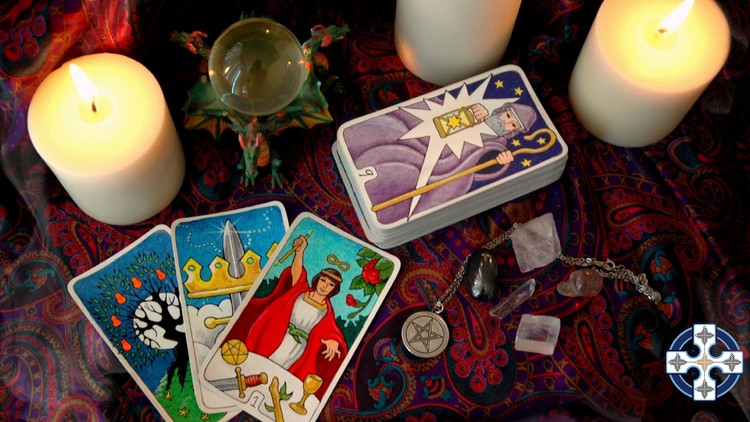
A sangoma is a traditional healer who plays a significant role in many South African communities. In eMalahleni, sangomas are respected for preserving indigenous knowledge, supporting cultural traditions, and providing guidance within their communities. Their work is deeply connected to African heritage and customs that have been passed down through generations.
While the responsibilities of a sangoma may vary between cultural groups and regions, their role often includes traditional healing, cultural education, participation in ceremonies, and community support.
Understanding the Role of a Sangoma
A sangoma serves as a custodian of traditional knowledge and cultural practices.
Their responsibilities may include:
- Providing traditional consultations
- Participating in cultural ceremonies
- Offering community guidance
- Preserving indigenous traditions
- Supporting cultural education
- Assisting with family and community matters
These activities help strengthen cultural identity and preserve heritage.
Traditional Healing Practices
Traditional healing is one of the most recognized aspects of a sangoma’s work.
Traditional healing practices may involve:
Cultural Rituals
Participating in ceremonies that hold cultural significance within the community.
Traditional Knowledge
Applying indigenous teachings that have been passed down through generations.
Community-Based Guidance
Helping individuals understand cultural customs and traditions.
Heritage Preservation
Maintaining practices that form part of African cultural identity.
Traditional healing approaches vary according to cultural traditions and local customs.
Cultural Education and Heritage
Sangomas often help educate younger generations about traditional values and customs.
This may include teaching about:
- Indigenous history
- Traditional beliefs
- Community responsibilities
- Cultural practices
- Heritage preservation
These efforts contribute to the continuation of important cultural traditions.
Participation in Community Ceremonies
Sangomas frequently play a role in community events and traditional ceremonies.
Examples may include:
- Cultural celebrations
- Traditional gatherings
- Family ceremonies
- Community heritage events
- Educational programs
Their involvement helps strengthen social bonds and cultural awareness.
Preserving Indigenous Knowledge
One of the most important contributions of sangomas is the preservation of indigenous knowledge.
This knowledge may include:
- Traditional customs
- Cultural teachings
- Community values
- Historical practices
- Heritage traditions
Passing this knowledge to future generations helps maintain cultural continuity.
Sangomas in Modern South Africa
South Africa is a diverse country where traditional and modern approaches often coexist.
Many people appreciate both:
- Modern healthcare services
- Traditional cultural practices
- Community support structures
- Personal wellness approaches
This balance reflects the country’s multicultural identity and rich cultural history.
Why Sangomas Remain Important
Sangomas continue to be valued because they help:
- Preserve cultural heritage
- Promote indigenous knowledge
- Support community traditions
- Strengthen cultural identity
- Encourage cultural education
Their contributions remain meaningful in many South African communities today.
Respecting Cultural Diversity
Learning about traditional healing encourages greater understanding and appreciation of cultural diversity.
Important values include:
- Respect for traditions
- Cultural awareness
- Heritage preservation
- Community engagement
- Indigenous knowledge appreciation
These principles help build stronger and more inclusive communities.
Understanding what a sangoma does in eMalahleni provides insight into the important role traditional healers play in preserving South Africa’s cultural heritage. Through cultural education, community involvement, traditional practices, and indigenous knowledge preservation, sangomas continue to contribute to the well-being and identity of many communities.
Their work remains an important part of South Africa’s rich and diverse cultural landscape.