Archives June 2026

Difference Between Sangoma and Inyanga in Standerton

South Africa has a rich history of traditional healing, and two of the most recognized traditional healers are the sangoma and the inyanga. In Standerton, many people want to understand the difference between these respected cultural practitioners. Although both contribute to traditional healing and community life, their training, methods, and areas of expertise often differ depending on local customs and cultural traditions.

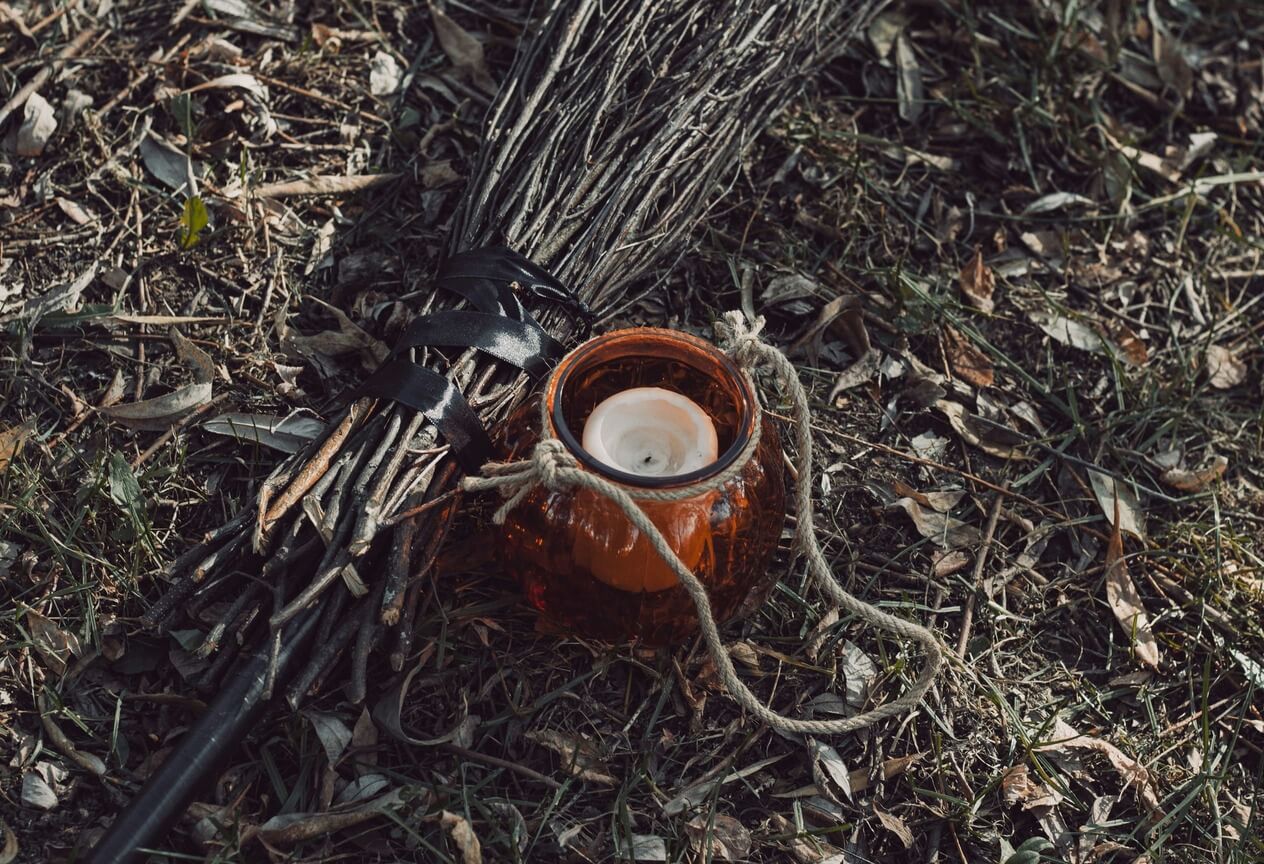
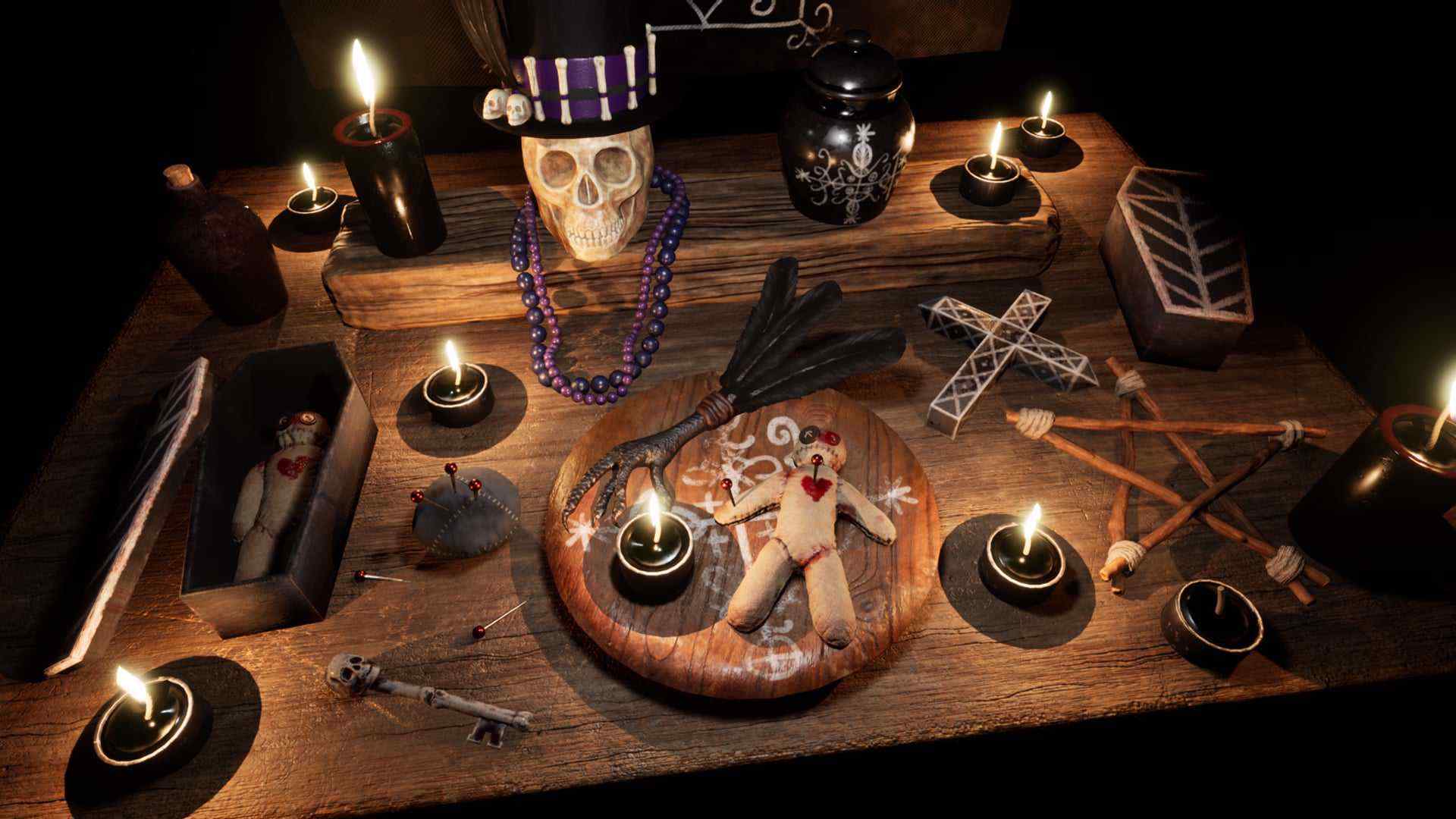
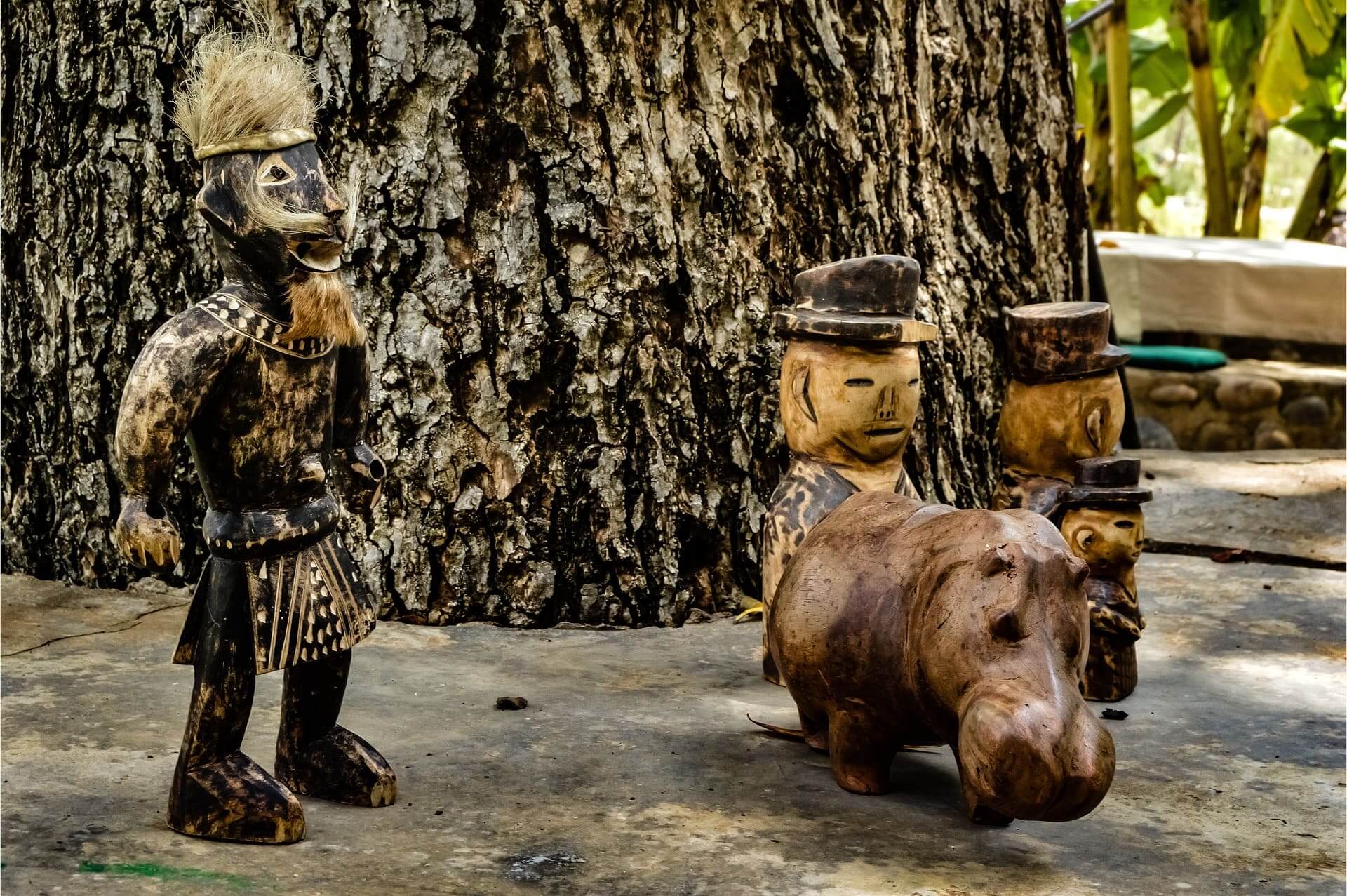
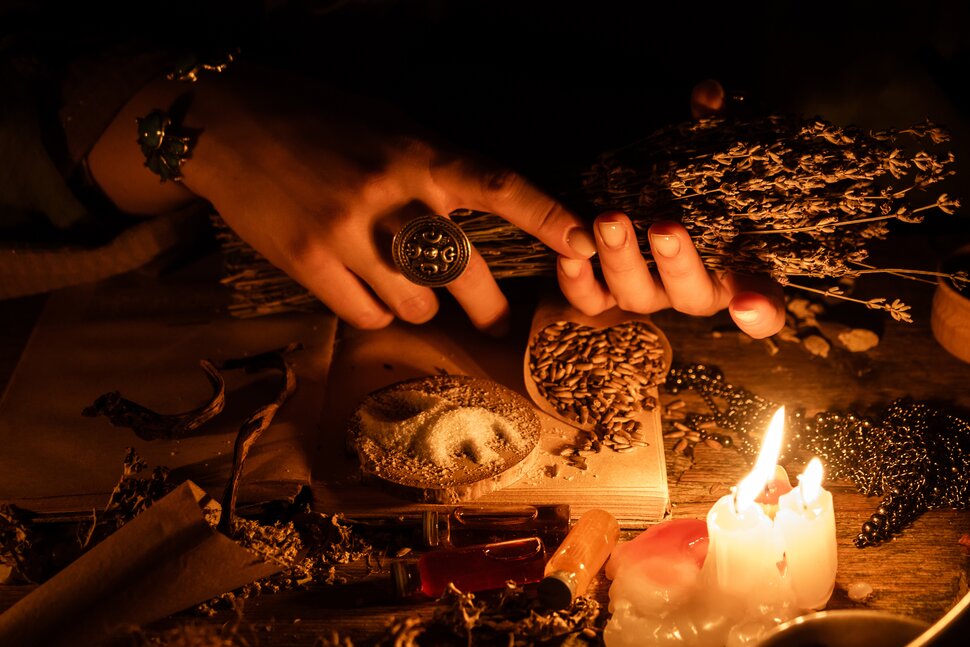
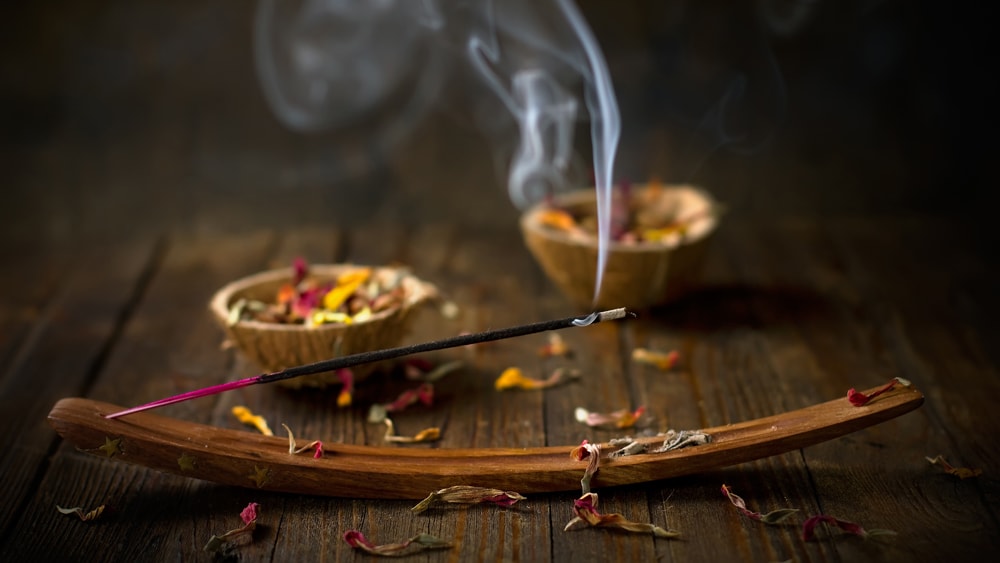
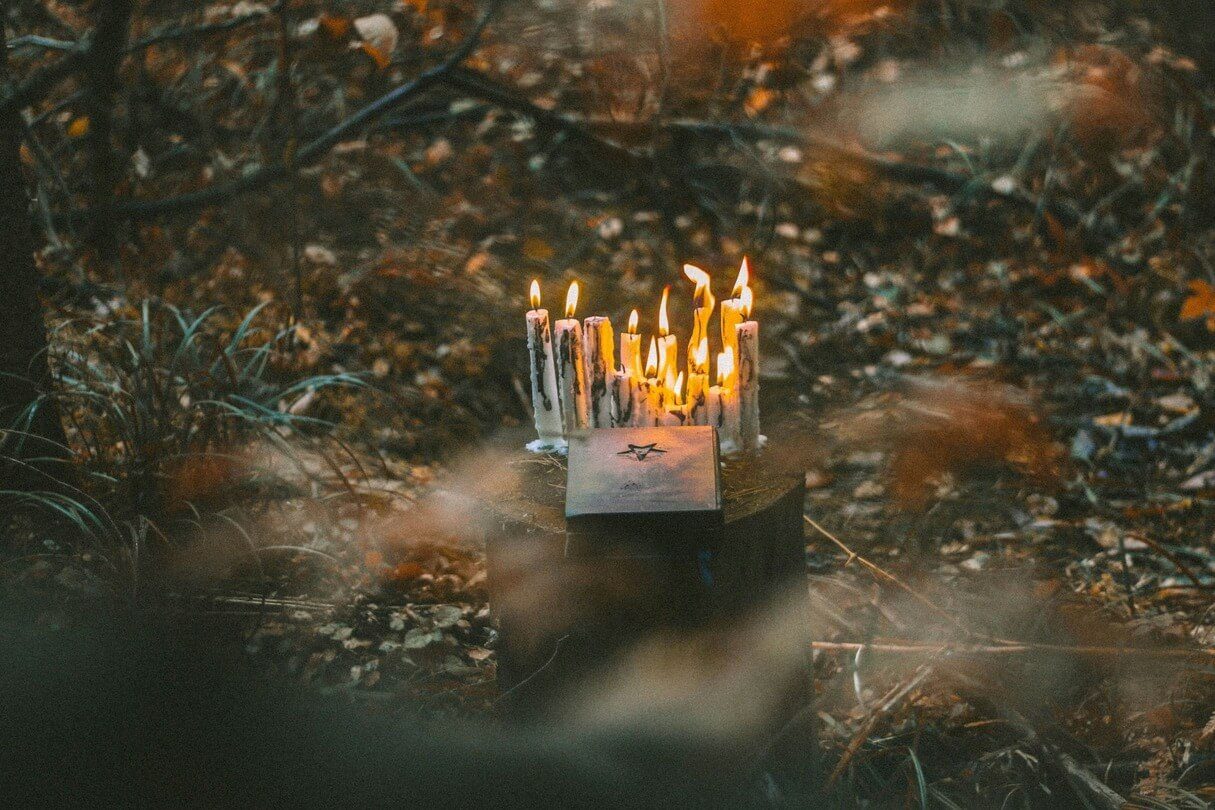
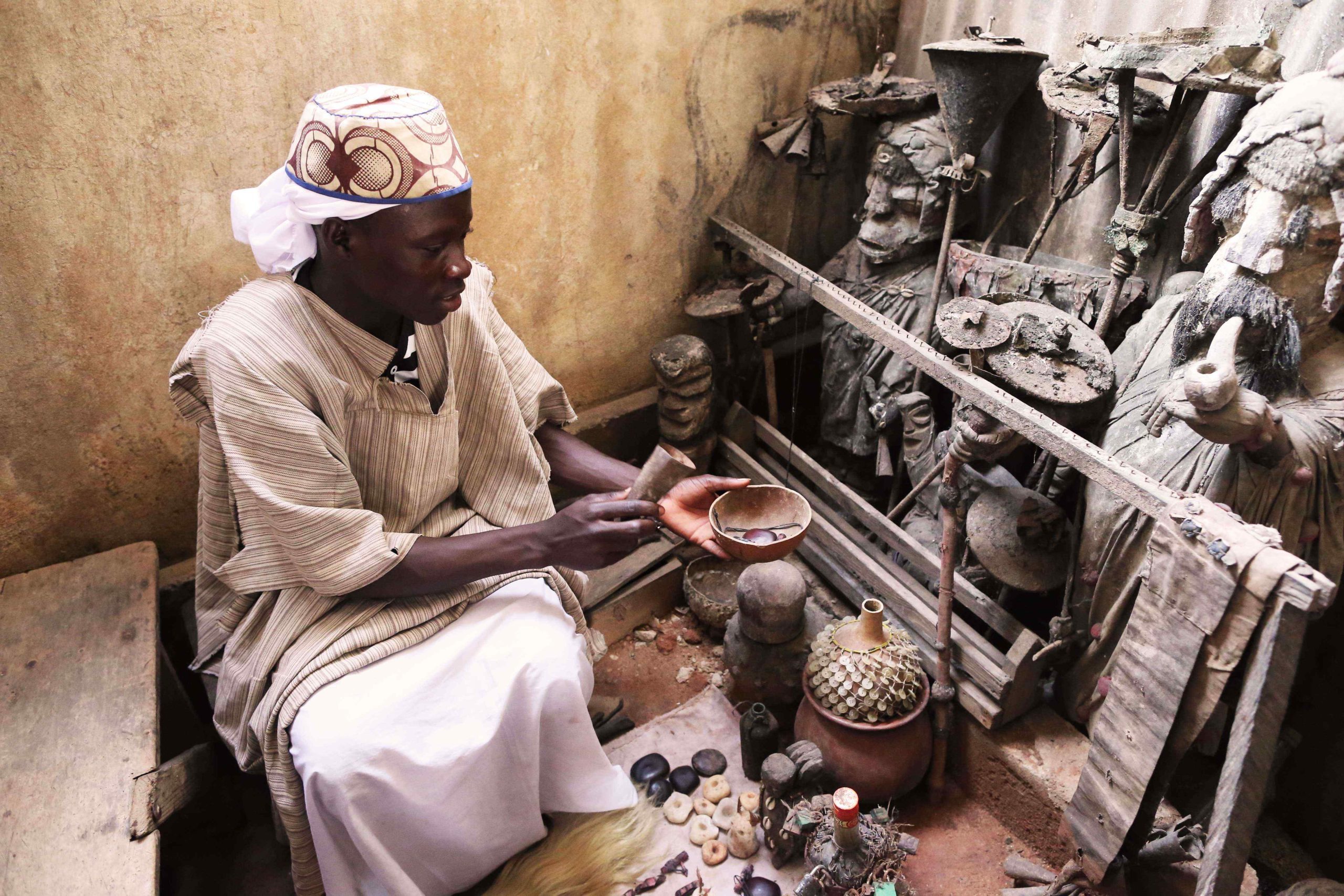
The images above provide examples of traditional attire, cultural ceremonies, and herbal practices commonly associated with sangomas and inyangas.


What Is a Sangoma?

A sangoma is a traditional healer who is commonly associated with:

  • Cultural guidance
  • Traditional ceremonies
  • Community support
  • Indigenous knowledge
  • Ancestral traditions in many South African cultures

Many sangomas undergo traditional mentorship and training according to the customs of their communities.


What Is an Inyanga?

An inyanga is traditionally known for extensive knowledge of:

  • Indigenous medicinal plants
  • Traditional herbal preparations
  • Natural remedies
  • Plant identification
  • Herbal knowledge passed through generations

The exact role of an inyanga can vary across different regions and cultural groups.


Main Differences Between a Sangoma and an Inyanga

Sangoma Inyanga
Often associated with cultural and ancestral traditions Often associated with traditional herbal knowledge
Participates in traditional ceremonies Focuses extensively on medicinal plants and natural remedies
Provides cultural and community guidance Known for preparing traditional herbal remedies
Preserves indigenous customs Preserves traditional botanical knowledge

In some communities, one person may be trained in aspects of both traditions.


Similarities

Both sangomas and inyangas:

  • Preserve African cultural heritage
  • Pass knowledge to future generations
  • Participate in community life
  • Respect indigenous traditions
  • Contribute to cultural education

Together, they help maintain South Africa’s rich traditional knowledge systems.


Traditional Training

Training often includes:

Mentorship

Learning from experienced traditional practitioners.

Cultural Education

Understanding customs and community responsibilities.

Practical Experience

Learning traditional methods through observation and participation.

Indigenous Knowledge

Studying plants, traditions, and cultural practices according to local customs.


Cultural Importance

Traditional healers continue to play an important role by helping preserve:

  • Indigenous knowledge
  • Cultural identity
  • Community traditions
  • Historical customs
  • African heritage

Their contributions remain valuable in many South African communities.


Respecting Traditional Practices

Learning about sangomas and inyangas encourages:

  • Cultural awareness
  • Respect for indigenous traditions
  • Heritage preservation
  • Community understanding
  • Appreciation of African history

Understanding these roles helps preserve valuable cultural knowledge.


Understanding the difference between a sangoma and an inyanga in Standerton helps highlight the diversity of South Africa’s traditional healing practices. While their roles often differ, both are respected custodians of indigenous knowledge and cultural heritage.

Their continued contribution to cultural preservation, education, and community traditions ensures that South Africa’s rich heritage remains an important part of its identity.
What Does a Sangoma Do in eMalahleni Mpumalanga?

A sangoma is a traditional healer who plays a significant role in many South African communities. In eMalahleni, sangomas are respected for preserving indigenous knowledge, supporting cultural traditions, and providing guidance within their communities. Their work is deeply connected to African heritage and customs that have been passed down through generations.

While the responsibilities of a sangoma may vary between cultural groups and regions, their role often includes traditional healing, cultural education, participation in ceremonies, and community support.


Understanding the Role of a Sangoma

A sangoma serves as a custodian of traditional knowledge and cultural practices.

Their responsibilities may include:

  • Providing traditional consultations
  • Participating in cultural ceremonies
  • Offering community guidance
  • Preserving indigenous traditions
  • Supporting cultural education
  • Assisting with family and community matters

These activities help strengthen cultural identity and preserve heritage.


Traditional Healing Practices

Traditional healing is one of the most recognized aspects of a sangoma’s work.

Traditional healing practices may involve:

Cultural Rituals

Participating in ceremonies that hold cultural significance within the community.

Traditional Knowledge

Applying indigenous teachings that have been passed down through generations.

Community-Based Guidance

Helping individuals understand cultural customs and traditions.

Heritage Preservation

Maintaining practices that form part of African cultural identity.

Traditional healing approaches vary according to cultural traditions and local customs.


Cultural Education and Heritage

Sangomas often help educate younger generations about traditional values and customs.

This may include teaching about:

  • Indigenous history
  • Traditional beliefs
  • Community responsibilities
  • Cultural practices
  • Heritage preservation

These efforts contribute to the continuation of important cultural traditions.


Participation in Community Ceremonies

Sangomas frequently play a role in community events and traditional ceremonies.

Examples may include:

  • Cultural celebrations
  • Traditional gatherings
  • Family ceremonies
  • Community heritage events
  • Educational programs

Their involvement helps strengthen social bonds and cultural awareness.


Preserving Indigenous Knowledge

One of the most important contributions of sangomas is the preservation of indigenous knowledge.

This knowledge may include:

  • Traditional customs
  • Cultural teachings
  • Community values
  • Historical practices
  • Heritage traditions

Passing this knowledge to future generations helps maintain cultural continuity.


Sangomas in Modern South Africa

South Africa is a diverse country where traditional and modern approaches often coexist.

Many people appreciate both:

  • Modern healthcare services
  • Traditional cultural practices
  • Community support structures
  • Personal wellness approaches

This balance reflects the country’s multicultural identity and rich cultural history.


Why Sangomas Remain Important

Sangomas continue to be valued because they help:

  • Preserve cultural heritage
  • Promote indigenous knowledge
  • Support community traditions
  • Strengthen cultural identity
  • Encourage cultural education

Their contributions remain meaningful in many South African communities today.


Respecting Cultural Diversity

Learning about traditional healing encourages greater understanding and appreciation of cultural diversity.

Important values include:

  • Respect for traditions
  • Cultural awareness
  • Heritage preservation
  • Community engagement
  • Indigenous knowledge appreciation

These principles help build stronger and more inclusive communities.


Understanding what a sangoma does in eMalahleni provides insight into the important role traditional healers play in preserving South Africa’s cultural heritage. Through cultural education, community involvement, traditional practices, and indigenous knowledge preservation, sangomas continue to contribute to the well-being and identity of many communities.

Their work remains an important part of South Africa’s rich and diverse cultural landscape.

What Is a Sangoma in Middelburg Mpumalanga?

A sangoma is a traditional healer who plays an important role in many South African communities. In Middelburg, as in many parts of the country, sangomas are respected for their connection to indigenous knowledge, cultural traditions, and community practices that have been passed down through generations.

Sangomas are often regarded as custodians of African cultural heritage and contribute to the preservation of traditional customs, ceremonies, and community values. Their role extends beyond healing and may include guidance, education, and participation in important cultural events.


Understanding the Meaning of a Sangoma

The word “sangoma” is commonly used in Southern Africa to describe a traditional healer who works within African cultural traditions.

Sangomas are often associated with:

  • Traditional healing practices
  • Cultural guidance
  • Community support
  • Ancestral traditions
  • Indigenous knowledge
  • Traditional ceremonies

Their responsibilities may vary depending on cultural background and local customs.


The Historical Role of Sangomas

Traditional healers have been part of African societies for centuries.

Historically, sangomas have contributed to:

  • Preserving cultural traditions
  • Maintaining community values
  • Passing down indigenous knowledge
  • Supporting traditional ceremonies
  • Strengthening social connections

Their role has helped keep cultural heritage alive across generations.


Traditional Calling and Training

Many sangomas describe their path as beginning with a traditional calling followed by a period of training and mentorship.

Training may involve:

Cultural Education

Learning about traditions, customs, and community responsibilities.

Mentorship

Receiving guidance from experienced traditional healers.

Traditional Ceremonies

Participating in important cultural events and practices.

Indigenous Knowledge

Studying traditional beliefs and community teachings.

Training methods differ according to community traditions and cultural backgrounds.


Sangomas and Community Life

In many communities, sangomas play an active role in:

  • Cultural celebrations
  • Traditional ceremonies
  • Community education
  • Family consultations
  • Heritage preservation

Their work often strengthens cultural identity and community unity.


The Importance of Indigenous Knowledge

Sangomas help preserve valuable indigenous knowledge that has been shared through generations.

This knowledge includes:

  • Traditional customs
  • Community values
  • Cultural teachings
  • Historical practices
  • Heritage preservation

Protecting this knowledge contributes to cultural continuity and education.


Traditional Healing in Modern South Africa

Today, many South Africans value both traditional and modern approaches to well-being.

People may choose to combine:

  • Modern healthcare services
  • Traditional cultural practices
  • Community support networks
  • Personal wellness approaches

This reflects South Africa’s rich cultural diversity and respect for multiple knowledge systems.


Respecting Cultural Heritage

Learning about sangomas helps promote:

  • Cultural understanding
  • Heritage appreciation
  • Community respect
  • Indigenous knowledge preservation
  • Cultural diversity awareness

These values contribute to stronger and more inclusive communities.


Why Sangomas Remain Important Today

Sangomas continue to play an important role because they help:

  • Preserve African traditions
  • Promote cultural awareness
  • Support community values
  • Maintain indigenous knowledge
  • Strengthen cultural identity

Their contributions remain significant in many parts of South Africa.


Understanding what a sangoma is in Middelburg provides valuable insight into South Africa’s rich cultural heritage and indigenous traditions. Sangomas continue to serve as custodians of traditional knowledge, helping preserve customs, values, and practices that remain meaningful to many communities.

By appreciating and respecting these traditions, future generations can continue to learn from and celebrate South Africa’s diverse cultural heritage.

Native Sangoma South Africa in Secunda Mpumalanga

Native sangomas are an important part of South Africa’s cultural heritage and indigenous knowledge systems. In Secunda, traditional healers continue to play a significant role in preserving customs, cultural values, and community traditions that have been passed down through generations.

Traditional healing remains deeply connected to African identity and serves as a bridge between ancestral wisdom and modern community life. Through cultural education and traditional practices, sangomas contribute to the preservation of valuable indigenous knowledge.


Understanding Native Sangomas

A native sangoma is a traditional African healer who is often consulted for guidance related to cultural traditions and community practices.

People may seek support for:

  • Traditional consultations
  • Cultural ceremonies
  • Family guidance
  • Community traditions
  • Personal reflection
  • Cultural education

The exact role of a sangoma may differ among various cultural groups and regions.


Preserving Indigenous Knowledge

One of the most important contributions of sangomas is the preservation of traditional knowledge.

This includes:

  • Indigenous customs
  • Traditional practices
  • Cultural values
  • Community teachings
  • Historical traditions

Preserving this knowledge helps maintain cultural identity and strengthens community heritage.


Traditional Calling and Mentorship

Many traditional healers describe their journey as beginning with a calling that leads them into training and mentorship.

This process often includes:

Learning Traditional Customs

Understanding cultural values and community responsibilities.

Guidance From Experienced Healers

Receiving mentorship from knowledgeable practitioners.

Participation in Cultural Activities

Taking part in traditional events and ceremonies.

Knowledge Development

Studying indigenous teachings and cultural practices.

Training experiences vary depending on community traditions and local customs.


The Role of Sangomas in Communities

Traditional healers often contribute to community life by:

  • Supporting cultural activities
  • Preserving traditions
  • Participating in ceremonies
  • Providing cultural guidance
  • Encouraging community engagement

These activities help maintain strong cultural connections within communities.


Traditional Healing and Modern Society

South Africa’s diverse society includes both traditional and contemporary approaches to well-being and community support.

Many people value:

  • Modern healthcare services
  • Traditional cultural practices
  • Community-based support systems
  • Personal development approaches

This combination reflects South Africa’s multicultural identity and respect for different traditions.


Promoting Cultural Awareness

Learning about traditional healing encourages:

  • Respect for cultural diversity
  • Understanding of indigenous knowledge
  • Heritage preservation
  • Community participation
  • Cultural appreciation

These values contribute to stronger and more connected communities.


Protecting Cultural Heritage

Many communities continue to work toward preserving traditional knowledge through:

  • Education programs
  • Cultural events
  • Mentorship opportunities
  • Heritage awareness initiatives
  • Community involvement

These efforts help ensure that important traditions continue to thrive.


The Future of Traditional Healing

Traditional healing remains a valued aspect of South African culture.

Communities continue to focus on:

  • Preserving indigenous wisdom
  • Encouraging cultural education
  • Supporting traditional practices
  • Celebrating African heritage

These initiatives help maintain the relevance of traditional healing for future generations.


Native sangomas in Secunda continue to play an important role in preserving indigenous knowledge, cultural identity, and traditional practices. Through cultural leadership, mentorship, and community involvement, they contribute to the preservation of South Africa’s rich heritage.

Their work helps strengthen cultural awareness while ensuring that valuable traditions continue to be passed from one generation to the next.

Native Sangoma South Africa in Ermelo Mpumalanga

Native sangomas have long been respected within South African communities for their role in preserving traditional knowledge, cultural customs, and indigenous practices. In Ermelo, many people continue to value traditional healing as an important part of African heritage and community life.

For generations, sangomas have contributed to cultural education, traditional ceremonies, and the preservation of ancestral wisdom. Their knowledge and experience often help communities maintain strong connections to their cultural roots while passing valuable traditions to future generations.


What Is a Native Sangoma?

A native sangoma is a traditional African healer who is recognized within many communities for their understanding of indigenous customs, cultural practices, and traditional knowledge.

People may seek guidance regarding:

  • Traditional consultations
  • Cultural ceremonies
  • Family matters
  • Community traditions
  • Personal reflection
  • Cultural education

The responsibilities of a sangoma often differ according to cultural background and local traditions.


The Cultural Importance of Sangomas

Sangomas play an important role in preserving African heritage.

Their contributions include:

  • Maintaining traditional customs
  • Protecting indigenous knowledge
  • Preserving cultural identity
  • Supporting community values
  • Promoting cultural awareness

These efforts help ensure that traditional practices remain relevant and respected.


Traditional Calling and Training

Many sangomas describe their journey as beginning with a traditional calling followed by extensive learning and mentorship.

Training often involves:

Cultural Education

Learning about customs, traditions, and community responsibilities.

Mentorship

Receiving guidance from experienced traditional healers.

Participation in Traditional Ceremonies

Taking part in important cultural events and rituals.

Indigenous Knowledge Development

Studying traditional teachings and community practices.

Training methods vary across different communities and regions of South Africa.


Community Guidance and Support

Traditional healers often contribute to community life through:

  • Cultural guidance
  • Traditional ceremonies
  • Family consultations
  • Community participation
  • Heritage education

Their role often extends beyond healing and includes broader cultural leadership.


Indigenous Knowledge Preservation

Traditional healing systems contain generations of accumulated wisdom.

Preservation efforts may focus on:

  • Teaching younger generations
  • Recording traditional practices
  • Encouraging cultural awareness
  • Protecting indigenous heritage
  • Supporting community education

These initiatives help ensure that cultural knowledge remains available for future generations.


Traditional Healing in Modern South Africa

South Africa’s diverse society embraces both traditional and modern approaches to well-being.

Many individuals appreciate:

  • Modern healthcare services
  • Traditional cultural practices
  • Community support systems
  • Personal wellness strategies

This balance reflects the country’s respect for different forms of knowledge and cultural expression.


Respecting Cultural Diversity

Learning about traditional healing helps promote:

  • Cultural understanding
  • Heritage appreciation
  • Community respect
  • Indigenous knowledge recognition
  • Social inclusion

These values strengthen communities and encourage cultural preservation.


The Future of Traditional Healing

Traditional healing continues to evolve while maintaining strong cultural foundations.

Many communities are working to:

  • Preserve traditional knowledge
  • Support cultural education
  • Encourage responsible practices
  • Celebrate indigenous heritage

These efforts contribute to the continued importance of traditional healing in South Africa.


Native sangomas in Ermelo continue to play an important role in preserving cultural traditions, indigenous knowledge, and community values. Through mentorship, education, and cultural participation, they help maintain a strong connection between past and present generations.

Their contribution remains an important part of South Africa’s rich cultural heritage and diverse traditional practices.

Native Sangoma South Africa in Graskop Mpumalanga

Native sangomas are respected members of many South African communities and are known for preserving traditional knowledge, cultural values, and indigenous practices. In Graskop, traditional healing continues to be an important part of cultural heritage, connecting communities with customs that have been practiced for generations.

Sangomas often serve as cultural custodians, helping to maintain traditional wisdom while supporting individuals and families through community-based guidance and traditional ceremonies.


Understanding the Role of a Sangoma

A sangoma is a traditional African healer whose role is closely connected to cultural traditions and community life.

People may seek guidance regarding:

  • Traditional consultations
  • Cultural ceremonies
  • Family matters
  • Community support
  • Personal reflection
  • Indigenous practices

Their responsibilities often vary according to local customs and cultural backgrounds.


The Importance of Indigenous Knowledge

Traditional healing systems contain valuable knowledge that has been passed from one generation to another.

This knowledge helps preserve:

  • Cultural identity
  • Traditional customs
  • Community values
  • Historical practices
  • Indigenous heritage

Many communities continue to value these teachings as an important part of their history and identity.


Traditional Calling and Training

Many sangomas describe their journey as beginning with a traditional calling followed by dedicated learning and mentorship.

Training often includes:

Cultural Education

Learning about customs, traditions, and community responsibilities.

Mentorship

Receiving guidance from experienced traditional healers.

Participation in Ceremonies

Taking part in traditional and cultural events.

Knowledge Preservation

Studying indigenous teachings and traditional practices.

Training experiences differ among communities and cultural groups throughout South Africa.


Community Leadership and Support

Sangomas often play an active role in strengthening community connections.

Their contributions may include:

  • Cultural guidance
  • Traditional ceremonies
  • Family consultations
  • Educational support
  • Community participation

These activities help maintain social bonds and preserve cultural traditions.


Traditional Healing and Modern Society

South Africa’s diverse society includes both traditional and contemporary approaches to well-being.

Many individuals appreciate:

  • Modern healthcare services
  • Traditional cultural practices
  • Community support systems
  • Personal wellness approaches

This combination reflects South Africa’s multicultural identity and respect for diverse traditions.


Preserving Cultural Heritage

Protecting traditional knowledge remains an important goal for many communities.

Preservation efforts often focus on:

  • Teaching future generations
  • Encouraging cultural awareness
  • Documenting traditions
  • Promoting heritage education
  • Supporting indigenous knowledge systems

These efforts help keep cultural practices alive for years to come.


Respecting Traditional Practices

Understanding traditional healing encourages respect for cultural diversity and heritage.

Important values include:

  • Cultural appreciation
  • Community respect
  • Heritage preservation
  • Open-minded learning
  • Indigenous knowledge recognition

These principles contribute to stronger and more inclusive communities.


The Future of Traditional Healing

Traditional healing continues to evolve while maintaining strong connections to cultural history.

Many communities continue working to:

  • Preserve traditions
  • Support cultural education
  • Encourage responsible practices
  • Celebrate indigenous heritage

These efforts ensure that traditional healing remains a meaningful part of South African culture.


Native sangomas in Graskop continue to contribute to the preservation of indigenous knowledge, cultural identity, and traditional practices. Through community involvement, mentorship, and cultural education, they help maintain an important connection between past and present generations.

Their role remains valuable in promoting cultural awareness, preserving heritage, and strengthening community traditions throughout South Africa.

Native Sangoma South Africa in Sabie Mpumalanga

Native sangomas have been an important part of African culture for generations. In Sabie, traditional healers continue to contribute to the preservation of indigenous knowledge, cultural values, and community traditions. Their role is often associated with guidance, cultural education, traditional ceremonies, and the continuation of practices that have been passed down through families and communities for centuries.

As custodians of cultural heritage, sangomas help keep traditional wisdom alive while supporting the communities they serve.


What Is a Native Sangoma?

A native sangoma is a traditional African healer who is respected for their knowledge of cultural practices, ancestral traditions, and community customs.

People may seek guidance for:

  • Traditional consultations
  • Cultural ceremonies
  • Family matters
  • Community support
  • Personal reflection
  • Spiritual guidance

The role of a sangoma can vary depending on cultural background and local traditions.


Cultural Heritage and Traditional Healing

Traditional healing is deeply rooted in South African history and culture.

Sangomas contribute to:

  • Preserving indigenous knowledge
  • Protecting cultural traditions
  • Strengthening community identity
  • Promoting cultural awareness
  • Passing knowledge to future generations

These contributions help maintain important aspects of African heritage.


Traditional Calling and Learning

Many sangomas describe a traditional calling that leads them toward a period of learning and mentorship.

This journey may include:

Cultural Training

Learning traditional customs and community responsibilities.

Mentorship

Receiving instruction from experienced healers.

Participation in Ceremonies

Taking part in cultural and traditional events.

Knowledge Development

Studying indigenous practices and traditions.

Training methods often differ among various communities and cultural groups.


Supporting Communities

Traditional healers often play an active role within local communities.

Their contributions may include:

  • Cultural guidance
  • Family consultations
  • Traditional ceremonies
  • Community engagement
  • Educational support

Their work often strengthens social connections and cultural understanding.


Indigenous Knowledge Preservation

Traditional healing systems represent generations of accumulated wisdom.

Preservation efforts focus on:

  • Teaching younger generations
  • Maintaining cultural practices
  • Sharing traditional knowledge
  • Encouraging cultural appreciation
  • Protecting indigenous heritage

These efforts help ensure that valuable traditions continue into the future.


Traditional Healing in Modern Society

South Africa is known for its diverse approaches to health, wellness, and cultural life.

Many individuals value both:

  • Modern healthcare services
  • Traditional cultural practices

This balance reflects the country’s rich cultural diversity and respect for different forms of knowledge.


Respecting Cultural Traditions

Learning about traditional healing helps promote:

  • Cultural awareness
  • Community respect
  • Heritage preservation
  • Understanding of indigenous practices
  • Appreciation of diversity

These values support stronger and more inclusive communities.


The Continuing Importance of Sangomas

Traditional healers remain important in many parts of South Africa because they help:

  • Preserve history
  • Maintain cultural identity
  • Support traditional ceremonies
  • Strengthen community bonds
  • Share indigenous knowledge

Their continued presence reflects the enduring value of traditional practices.

Native sangomas in Sabie continue to play a meaningful role in preserving South Africa’s rich cultural heritage. Through traditional knowledge, community participation, and cultural education, they contribute to the preservation of customs and values that remain important to many people today.

By respecting and learning about these traditions, communities can help ensure that indigenous knowledge continues to be celebrated and passed on to future generations.

Native Sangoma South Africa in Hazyview

Native sangomas are an important part of South Africa’s cultural heritage and traditional knowledge systems. In Hazyview, many people continue to value the role of sangomas in preserving indigenous traditions, cultural practices, and community wisdom. For generations, traditional healers have contributed to the social and cultural life of communities through guidance, mentorship, and participation in important cultural events.

Traditional healing remains deeply connected to African identity and continues to be respected by many people throughout South Africa.


Who Is a Sangoma?

A sangoma is a traditional African healer who is often recognized for providing cultural and spiritual guidance within the community.

Individuals may seek consultations for:

  • Traditional guidance
  • Cultural ceremonies
  • Family matters
  • Community support
  • Personal reflection
  • Spiritual well-being

The responsibilities and practices of sangomas may differ according to cultural traditions and regional customs.


The Importance of Traditional Healing

Traditional healing represents centuries of indigenous knowledge and cultural heritage.

Sangomas help preserve:

  • Traditional customs
  • Community values
  • Indigenous teachings
  • Cultural identity
  • Historical practices

These contributions support the continuation of valuable cultural traditions across generations.


Traditional Calling and Training

Many sangomas describe their journey as beginning with a traditional calling followed by a period of training and mentorship.

Training may involve:

Cultural Learning

Understanding community traditions and responsibilities.

Mentorship

Learning from experienced traditional healers.

Ceremonial Participation

Taking part in traditional rituals and cultural gatherings.

Indigenous Knowledge Development

Studying traditional beliefs and community practices.

Training experiences vary according to cultural backgrounds and local traditions.


Community Contributions

Sangomas often contribute to community life in several ways.

Their involvement may include:

  • Cultural education
  • Family consultations
  • Traditional ceremonies
  • Community engagement
  • Preservation of heritage

Their role frequently extends beyond healing and into broader cultural leadership.


Preserving Indigenous Heritage

Traditional healing practices continue to play an important role in protecting indigenous knowledge.

Preservation efforts may include:

  • Teaching younger generations
  • Supporting cultural awareness
  • Sharing traditional knowledge
  • Strengthening community identity
  • Promoting heritage appreciation

These efforts help ensure that valuable cultural traditions remain relevant in modern society.


Traditional and Modern Perspectives

South Africa’s diverse society includes both traditional and contemporary approaches to wellness and community support.

Many people appreciate:

  • Modern healthcare services
  • Traditional cultural practices
  • Community-based support
  • Personal wellness strategies

This combination reflects the country’s rich cultural diversity.


Respecting Cultural Diversity

Learning about traditional healing encourages greater respect for South Africa’s many cultures and traditions.

Important principles include:

  • Cultural understanding
  • Heritage preservation
  • Community respect
  • Open-minded learning
  • Appreciation of indigenous knowledge

These values strengthen social cohesion and cultural awareness.


The Future of Traditional Healing

Traditional healing continues to evolve while remaining connected to its cultural roots.

Many communities focus on:

  • Preserving traditional knowledge
  • Supporting cultural education
  • Encouraging responsible practices
  • Celebrating indigenous heritage

These initiatives help maintain the importance of traditional healing for future generations.


Native sangomas in Hazyview continue to play a meaningful role in preserving South Africa’s cultural heritage and indigenous traditions. Through community involvement, traditional knowledge, and cultural leadership, sangomas help maintain important aspects of African identity and history.

Understanding and respecting these traditions contributes to the preservation of South Africa’s rich and diverse cultural heritage.

Native Sangoma South Africa in White River

Native sangomas have long been respected figures within many South African communities. In White River, traditional healing remains an important cultural practice that connects people with indigenous knowledge, ancestral traditions, and community values. Sangomas play a significant role in preserving customs that have been passed down through generations.

Their work often extends beyond traditional healing and includes cultural education, guidance, and participation in important community ceremonies.


Understanding the Role of a Sangoma

A sangoma is a traditional African healer who is often consulted for cultural, spiritual, and community-related guidance.

Many individuals seek assistance for:

  • Traditional consultations
  • Cultural ceremonies
  • Family guidance
  • Community support
  • Personal reflection
  • Spiritual well-being

The role of a sangoma varies among different cultural groups and regions throughout South Africa.


Cultural Significance of Traditional Healing

Traditional healing forms an important part of South Africa’s rich cultural heritage.

Sangomas help preserve:

  • Indigenous knowledge
  • Traditional customs
  • Cultural identity
  • Community values
  • Historical practices

Their contribution helps ensure that traditional wisdom remains available to future generations.


Traditional Calling and Training

Many sangomas describe their path as beginning with a traditional calling that leads them toward training and mentorship.

Training may include:

Cultural Education

Learning about customs, traditions, and community responsibilities.

Mentorship Programs

Receiving guidance from experienced traditional healers.

Ceremonial Participation

Taking part in traditional ceremonies and cultural events.

Indigenous Knowledge

Studying traditional practices and cultural teachings.

Training methods differ according to community traditions and cultural backgrounds.


Sangomas and Community Life

Traditional healers often play an important role within local communities.

They may assist with:

  • Community gatherings
  • Traditional celebrations
  • Family consultations
  • Cultural preservation
  • Educational activities

Their involvement often strengthens community connections and cultural awareness.


Traditional and Modern Approaches

Many South Africans appreciate both traditional and modern approaches to health and well-being.

People may choose to combine:

  • Professional healthcare services
  • Traditional cultural practices
  • Community support
  • Personal wellness strategies

This balanced approach reflects South Africa’s diverse and evolving society.


Preserving Indigenous Knowledge

Traditional healing practices represent valuable cultural knowledge that has survived for centuries.

Preservation efforts often focus on:

  • Cultural education
  • Community engagement
  • Historical awareness
  • Traditional mentorship
  • Knowledge sharing

These initiatives help safeguard cultural heritage for future generations.


Respect and Cultural Awareness

Understanding traditional healing encourages greater appreciation for cultural diversity.

Important values include:

  • Respect for cultural traditions
  • Open-minded learning
  • Community involvement
  • Preservation of heritage

These principles help foster mutual understanding and cultural appreciation.


Traditional Healing in Modern South Africa

Traditional healing continues to remain relevant in many communities across South Africa.

The continued interest in sangomas reflects:

  • Strong cultural identity
  • Respect for heritage
  • Community traditions
  • Indigenous wisdom
  • Historical continuity

These factors contribute to the ongoing importance of traditional healing practices.


Native sangomas in White River continue to play a valuable role in preserving cultural heritage and supporting community traditions. Through indigenous knowledge, mentorship, and cultural guidance, sangomas help maintain important aspects of South African identity.

By learning about and respecting these traditions, communities can continue to celebrate and preserve their rich cultural heritage for future generations.

Native Sangoma South Africa in Mbombela

Native sangomas have played an important role in many South African communities for generations. In Mbombela, sangomas are often respected as custodians of traditional knowledge, cultural practices, and community guidance. Their work is deeply connected to African heritage and indigenous traditions that have been passed down through families and communities over many years.

Traditional healing remains an important part of cultural identity for many South Africans and continues to coexist alongside modern healthcare and contemporary lifestyles.


What Is a Sangoma?

A sangoma is a traditional healer who is often recognized within African cultural traditions for their role in providing guidance, counseling, and traditional healing practices.

Sangomas may assist individuals seeking:

  • Cultural guidance
  • Spiritual support
  • Family consultations
  • Traditional ceremonies
  • Community advice
  • Personal reflection

Their role varies depending on cultural background, community customs, and individual training.


The Cultural Importance of Sangomas

Sangomas are often valued because they help preserve indigenous knowledge and cultural heritage.

Their contributions may include:

  • Maintaining traditional customs
  • Supporting community well-being
  • Participating in cultural ceremonies
  • Preserving ancestral traditions
  • Sharing traditional wisdom

These practices form an important part of South Africa’s rich cultural diversity.


Traditional Training and Calling

Many sangomas describe their journey as beginning with a traditional calling.

Training may involve:

Learning Cultural Practices

Understanding community traditions and customs.

Mentorship

Receiving guidance from experienced traditional healers.

Ceremonial Participation

Taking part in cultural rituals and community events.

Indigenous Knowledge

Learning about traditional beliefs and practices.

Training periods can vary significantly depending on cultural traditions and local customs.


Sangomas and Community Support

In many communities, sangomas serve as trusted figures who provide:

  • Guidance during personal challenges
  • Cultural education
  • Family consultations
  • Traditional ceremony support
  • Community engagement

Their role often extends beyond healing and includes broader social and cultural responsibilities.


Traditional Healing in Modern South Africa

South Africa is home to a diverse range of healthcare and wellness practices.

Many people choose to combine:

  • Modern medical care
  • Professional counseling
  • Cultural traditions
  • Community support systems

This reflects the country’s unique blend of traditional and contemporary approaches to well-being.


Respecting Cultural Heritage

Traditional healing practices continue to be an important part of South Africa’s cultural landscape.

Respecting these traditions involves:

  • Understanding cultural diversity
  • Appreciating indigenous knowledge
  • Preserving community heritage
  • Supporting cultural education

These efforts help maintain valuable traditions for future generations.


Choosing a Traditional Healer

When seeking guidance from a traditional healer, many people consider:

  • Community reputation
  • Experience
  • Professional conduct
  • Respect for cultural practices
  • Clear communication

Making informed decisions helps ensure a positive and respectful experience.


The Future of Traditional Healing

Traditional healing continues to evolve while maintaining strong connections to cultural heritage.

Many communities are working to:

  • Preserve indigenous knowledge
  • Educate younger generations
  • Promote cultural awareness
  • Support responsible traditional practices

These efforts contribute to the continued relevance of traditional healing in modern society.


Native sangomas in Mbombela remain an important part of South Africa’s cultural heritage. Through traditional knowledge, community involvement, and cultural preservation, sangomas continue to contribute to the social and cultural fabric of many communities.

Understanding and respecting these traditions helps promote appreciation for South Africa’s diverse cultural history and indigenous practices.

error: Content is protected !!