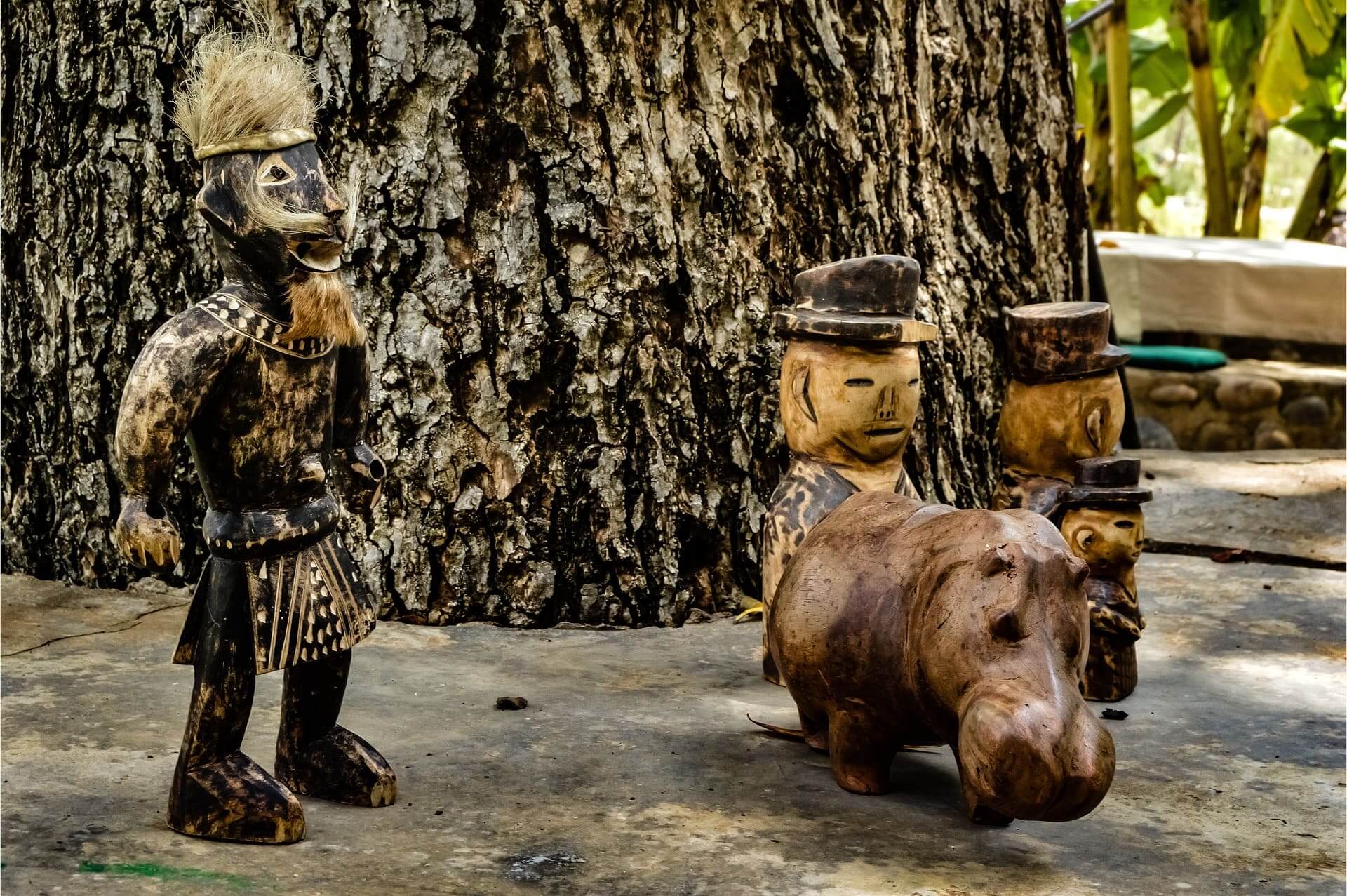
Native sangomas are respected members of many South African communities and are known for preserving traditional knowledge, cultural values, and indigenous practices. In Graskop, traditional healing continues to be an important part of cultural heritage, connecting communities with customs that have been practiced for generations.
Sangomas often serve as cultural custodians, helping to maintain traditional wisdom while supporting individuals and families through community-based guidance and traditional ceremonies.
Understanding the Role of a Sangoma
A sangoma is a traditional African healer whose role is closely connected to cultural traditions and community life.
People may seek guidance regarding:
- Traditional consultations
- Cultural ceremonies
- Family matters
- Community support
- Personal reflection
- Indigenous practices
Their responsibilities often vary according to local customs and cultural backgrounds.
The Importance of Indigenous Knowledge
Traditional healing systems contain valuable knowledge that has been passed from one generation to another.
This knowledge helps preserve:
- Cultural identity
- Traditional customs
- Community values
- Historical practices
- Indigenous heritage
Many communities continue to value these teachings as an important part of their history and identity.
Traditional Calling and Training
Many sangomas describe their journey as beginning with a traditional calling followed by dedicated learning and mentorship.
Training often includes:
Cultural Education
Learning about customs, traditions, and community responsibilities.
Mentorship
Receiving guidance from experienced traditional healers.
Participation in Ceremonies
Taking part in traditional and cultural events.
Knowledge Preservation
Studying indigenous teachings and traditional practices.
Training experiences differ among communities and cultural groups throughout South Africa.
Community Leadership and Support
Sangomas often play an active role in strengthening community connections.
Their contributions may include:
- Cultural guidance
- Traditional ceremonies
- Family consultations
- Educational support
- Community participation
These activities help maintain social bonds and preserve cultural traditions.
Traditional Healing and Modern Society
South Africa’s diverse society includes both traditional and contemporary approaches to well-being.
Many individuals appreciate:
- Modern healthcare services
- Traditional cultural practices
- Community support systems
- Personal wellness approaches
This combination reflects South Africa’s multicultural identity and respect for diverse traditions.
Preserving Cultural Heritage
Protecting traditional knowledge remains an important goal for many communities.
Preservation efforts often focus on:
- Teaching future generations
- Encouraging cultural awareness
- Documenting traditions
- Promoting heritage education
- Supporting indigenous knowledge systems
These efforts help keep cultural practices alive for years to come.
Respecting Traditional Practices
Understanding traditional healing encourages respect for cultural diversity and heritage.
Important values include:
- Cultural appreciation
- Community respect
- Heritage preservation
- Open-minded learning
- Indigenous knowledge recognition
These principles contribute to stronger and more inclusive communities.
The Future of Traditional Healing
Traditional healing continues to evolve while maintaining strong connections to cultural history.
Many communities continue working to:
- Preserve traditions
- Support cultural education
- Encourage responsible practices
- Celebrate indigenous heritage
These efforts ensure that traditional healing remains a meaningful part of South African culture.
Native sangomas in Graskop continue to contribute to the preservation of indigenous knowledge, cultural identity, and traditional practices. Through community involvement, mentorship, and cultural education, they help maintain an important connection between past and present generations.
Their role remains valuable in promoting cultural awareness, preserving heritage, and strengthening community traditions throughout South Africa.
