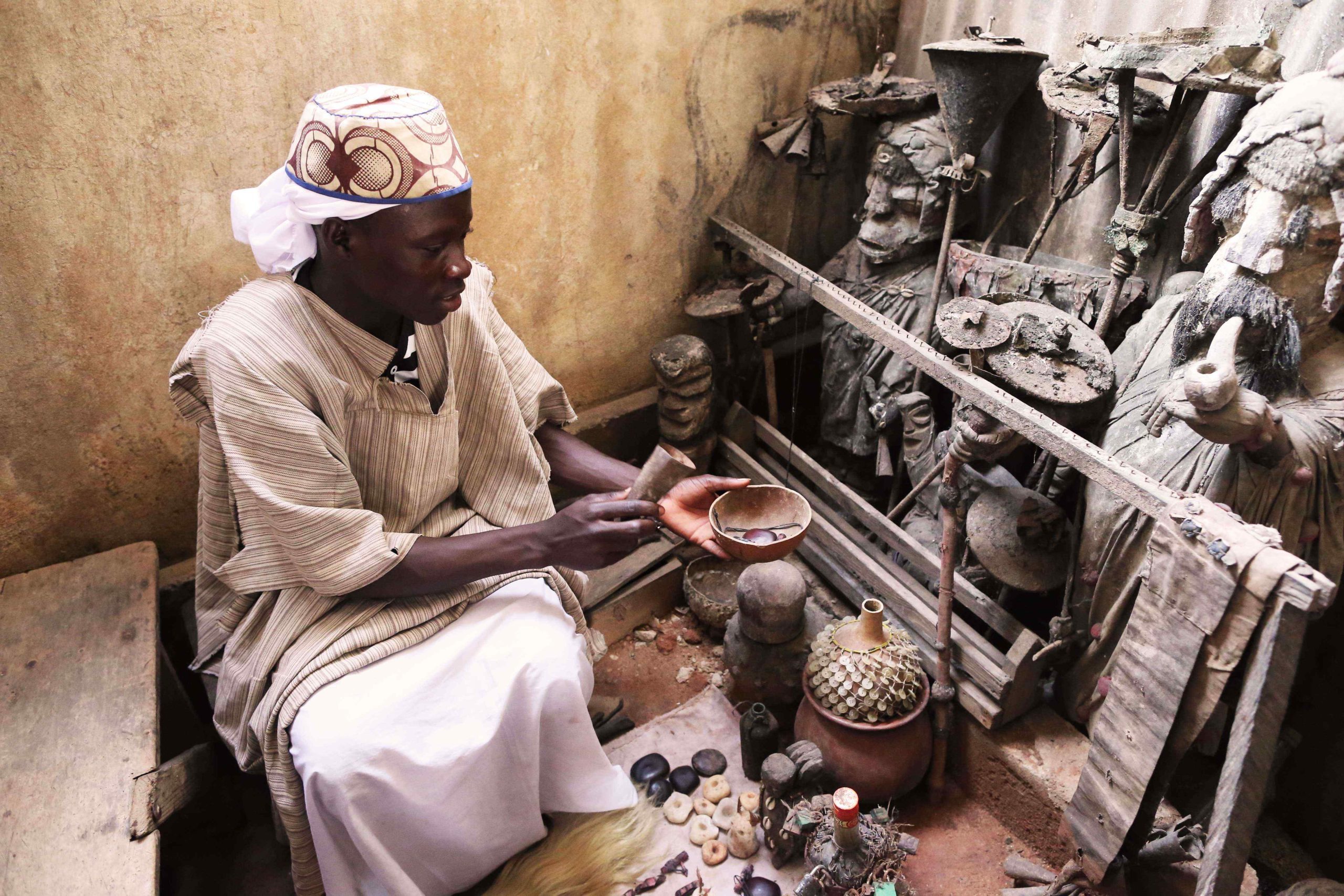
Traditional healers have played an important role in African societies for hundreds of years. In Delmas, as in many parts of the country, traditional healers continue to preserve indigenous knowledge, cultural customs, and community traditions that have been passed from generation to generation. Their history reflects the rich cultural heritage of South Africa and the broader African continent.
Long before modern healthcare systems were established, traditional healers served as respected community members who shared cultural knowledge, participated in traditional ceremonies, and helped preserve the customs and values of their communities. Their influence remains significant in many parts of South Africa today.
The Origins of Traditional Healers
The history of traditional healers dates back many centuries.
Across African communities, traditional healers developed knowledge through:
- Indigenous cultural practices
- Community experience
- Oral traditions
- Observation of nature
- Mentorship from experienced practitioners
This knowledge was carefully passed from one generation to another, ensuring that important cultural traditions continued over time.
Traditional Healers in Early African Communities
Historically, traditional healers often played several important community roles.
They contributed by:
- Preserving cultural customs
- Participating in traditional ceremonies
- Sharing indigenous knowledge
- Supporting family and community traditions
- Promoting cultural identity
Their work helped strengthen social connections and maintain community values.
Passing Knowledge Through Generations
One of the defining characteristics of traditional healing is the transfer of knowledge through mentorship and oral history.
Training often involved:
Learning Indigenous Customs
Understanding local traditions and cultural responsibilities.
Mentorship
Receiving guidance from experienced traditional healers.
Community Participation
Taking part in ceremonies, gatherings, and cultural events.
Practical Experience
Learning through observation and participation in traditional practices.
This approach helped preserve important cultural knowledge for future generations.
The Cultural Importance of Traditional Healers
Traditional healers have helped preserve:
- African heritage
- Indigenous knowledge
- Cultural identity
- Community traditions
- Historical customs
Their contributions remain an important part of South Africa’s cultural landscape.
Traditional Healing Today
Today, traditional healers continue to be respected in many communities.
Their work often includes:
- Cultural education
- Community guidance
- Participation in traditional ceremonies
- Heritage preservation
- Sharing indigenous knowledge
While society has changed over time, many traditional customs continue to be valued.
Traditional Healing and Modern South Africa
South Africa’s multicultural society recognizes the importance of both traditional knowledge and modern healthcare.
Many people appreciate:
- Modern medical services
- Traditional cultural practices
- Community support
- Indigenous heritage
Together, these approaches contribute to a diverse understanding of health, culture, and community.
Preserving Indigenous Heritage
Communities continue to protect traditional knowledge by:
- Teaching younger generations
- Supporting cultural education
- Celebrating traditional ceremonies
- Encouraging heritage preservation
- Documenting indigenous practices
These efforts help ensure that traditional healing remains an important part of South African history.
Why Traditional Healers Remain Important
Traditional healers continue to play a valuable role because they help:
- Preserve cultural traditions
- Protect indigenous knowledge
- Strengthen community identity
- Promote cultural education
- Celebrate African heritage
Their work contributes to the preservation of one of South Africa’s richest cultural traditions.
The history of traditional healers in Delmas reflects centuries of indigenous knowledge, cultural preservation, and community leadership. Through mentorship, education, and participation in traditional ceremonies, traditional healers have helped maintain customs that remain meaningful to many South Africans today.
Understanding this history encourages greater appreciation of South Africa’s diverse cultural heritage and the enduring importance of indigenous traditions.